
Biocide Treatment for Moor-Edge Patios in Baildon
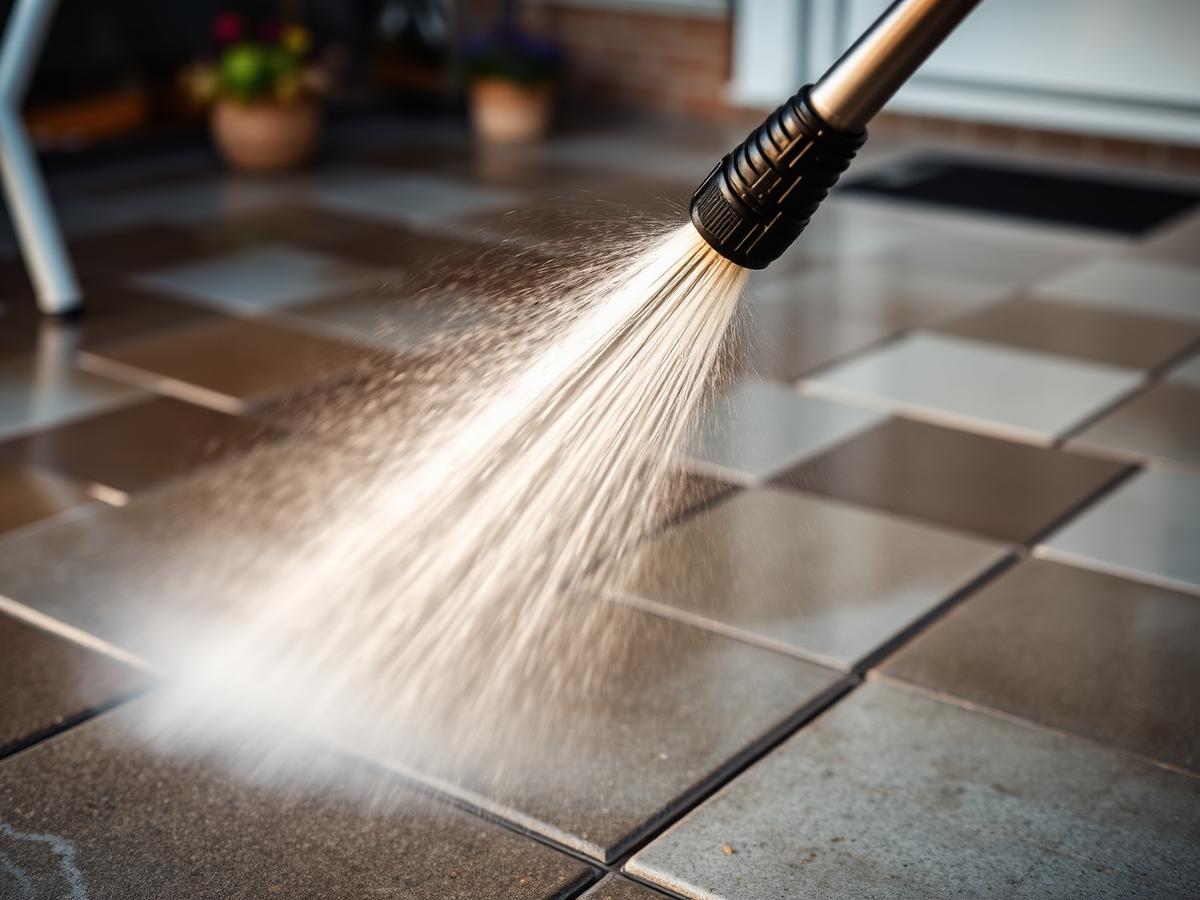
Moor-edge detached property near Baildon Moor with north-facing stone patio under mature trees
Moor-edge detached homes near Baildon Moor sit higher and more exposed than the town below, but their patios are often set on the north or east side of the house to shelter outdoor seating from the prevailing wind — which means those same patios get very little direct sun for much of the year. Combined with mature garden trees common on these larger plots, the stone stays damp far longer after rain than an open, south-facing surface would.
Why patios near the moor regrow algae faster than the town centre
Moor-edge detached homes near Baildon Moor sit higher and more exposed than the town below, but their patios are often set on the north or east side of the house to shelter outdoor seating from the prevailing wind — which means those same patios get very little direct sun for much of the year. Combined with mature garden trees common on these larger plots, the stone stays damp far longer after rain than an open, south-facing surface would.
That persistent dampness is exactly what green algae and black lichen need to establish on Yorkshire stone flags and older buff sandstone, both common on these properties. A one-off clean removes what's visible but does nothing to slow the regrowth cycle, which is where a biocide treatment earns its place — it's aimed at the biology, not just the surface appearance on the day.
Peat dust carried down off the moor by wind settles into these shaded patios too, giving algae a slightly gritty base to root into that a cleaner, more sheltered lowland garden wouldn't have.
Getting kit in, getting water away
These properties typically have generous private driveways and side access wide enough for equipment without needing to cross neighbouring land, though gates onto the moor-side boundary are often kept latched for livestock or dogs and need checking before we start.
Patios on these plots usually drain into garden soakaways or a rear lawn area rather than a mains gully, given the larger plot sizes. We take this into account when choosing a biocide product, favouring one that's appropriate for run-off reaching soil rather than a hard drainage system.
- Nearest city
- Bradford — 4 miles
- Typical surfaces
- Yorkshire stone flags and older buff sandstone
- Common property stock
- stone-built terrace, moor-edge detached, 1930s semi
- Nearest commercial hub
- Baildon Browgate and Otley Road parade
- Area type
- market town
- Postcode district
- BD17
Realistic expectations for regrowth timing
Before we start
- Expect algae to darken and die back gradually over one to two weeks rather than disappear immediately.
- Pets and garden wildlife should be kept off treated stone until fully dry.
- Shaded, moor-edge patios generally need re-treating annually rather than every few years.
Once it's done
- Avoid treating right before heavy forecast rain, which can dilute the application before it takes hold.
- A follow-up light clean once the growth has died back gives the clearest final finish.
What we check before choosing a treatment strength
Shade mapping across the patio
We note which parts of the patio get any direct sun at all during the day, since the shadiest sections need a stronger or longer-dwelling treatment.
Growth species identification
Green algae, black lichen and moss respond differently, so we identify what's actually present before choosing dilution and application method.
Soakaway or soil drainage check
Given these plots typically drain to garden soil, we confirm the treatment chosen is suited to that kind of run-off before application.
How the treatment is applied and left to work
- Step 1
Full-surface application
Rather than treating only visibly green patches, the whole patio is treated so regrowth doesn't simply migrate from treated to untreated stone.
- Step 2
Extended dwell time for shaded zones
Sections with little sun exposure are given longer to work before any rinsing, since sunlight normally helps a treatment along and these areas don't get that boost.
- Step 3
Timing around dry weather
Application is planned for a forecast dry spell so the treatment isn't washed away by rain before it's had time to take effect.
See related treatments and other Baildon property types in linked pages.
Questions about safety and how long it lasts
Why does my patio near the moor go green so much faster than my neighbour's in town?+
Shade from mature trees plus the damper moor-edge microclimate keeps the stone wet for longer, which is exactly what algae and lichen need to establish.
Is the treatment safe for my dog or garden birds?+
We use products appropriate for garden application and advise keeping pets off the treated area until it's dry, with drainage suited to soil run-off in mind.
Will one treatment sort it permanently?+
No treatment stops regrowth forever in a shaded spot like this; an annual application is the realistic way to keep on top of it.
Do I need to clean the patio first?+
Not necessarily — biocide works on existing growth in place, though a prior light clean can help it penetrate more evenly on heavily built-up areas.
Scope agreed before anything is switched on
- We survey the surface first and say plainly if biocide treatment is the wrong call for it.
- Scope is written down, so you can see exactly what is and isn't included.
- Where a stain or defect won't fully clear, we say so before you book.
The short version
Shaded moor-edge patios need biocide aimed at slowing regrowth, not just a one-off surface clean.