
Biocide Treatment for Shaded Patios on the Pannal Fringe
North-facing patio on the Pannal fringe with persistent shaded algae
Homes out on the Pannal fringe often back onto open fields or hedgerows, and where a patio sits on the north side of the house it can stay in shade for most of the day even in summer. Combined with the soft magnesian limestone common here, that shade keeps moisture in the surface long after the rest of the garden has dried.
A north-facing patio out toward Pannal that never quite dries
Homes out on the Pannal fringe often back onto open fields or hedgerows, and where a patio sits on the north side of the house it can stay in shade for most of the day even in summer. Combined with the soft magnesian limestone common here, that shade keeps moisture in the surface long after the rest of the garden has dried.
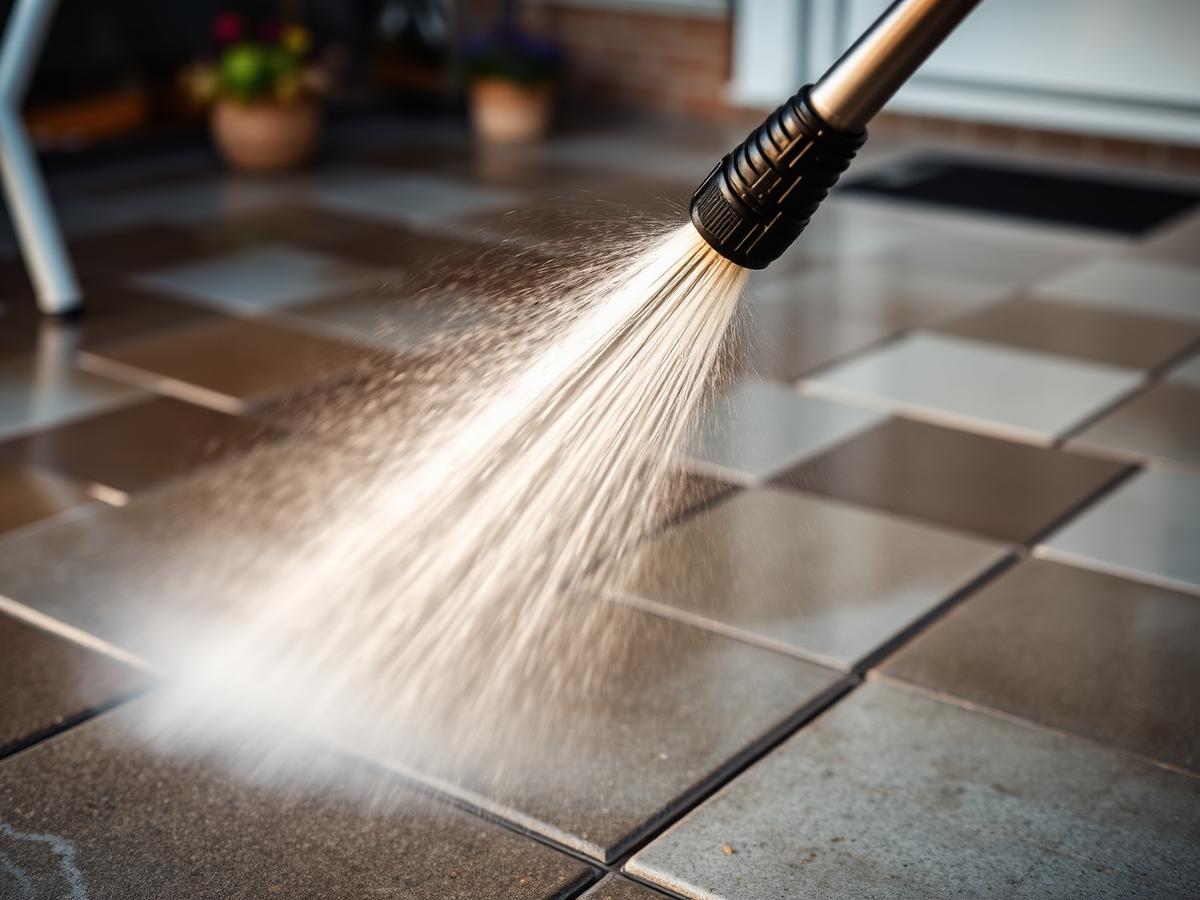
A single pressure wash on a patio like this can look transformed for a few weeks before the same green film reappears, because the underlying cause — permanent dampness and porous stone — hasn't actually changed.
These patios are often used for outdoor seating close to the back door, so any treatment needs to consider furniture, planters and nearby lawn edges that a strong chemical could affect if not managed carefully.
Getting kit in, getting water away
Access to these rear patios is usually through a side gate along the property boundary, wide enough for a wheelbarrow or backpack sprayer but not much more. Furniture and planters typically need moving clear of the treatment area before work starts, and pets need to be kept off the surface until it's dry.
Given the more rural setting on this fringe, run-off from the patio often heads to a soakaway or simply into the surrounding lawn and borders, so the biocide is chosen and applied at a rate that won't harm nearby planting. Water is generally supplied from an outside tap near the back door.
- Nearest city
- Leeds — 17 miles
- Typical surfaces
- reclaimed York stone and honey-coloured setts
- Common property stock
- Victorian villa, Yorkshire-stone townhouse, large detached home
- Nearest commercial hub
- Cardale Park and Hornbeam Business Park
- Area type
- spa town
- Postcode district
- HG1
What to expect afterwards
Before we start
- Full effect typically shows over the days and weeks after treatment, not immediately.
- Keep pets and children off the treated surface until it has dried.
- Nearby borders and lawn are worth protecting from overspray.
Once it's done
- Shaded patios like this will likely need repeat treatment sooner than sunnier ones.
- Furniture and planters should stay clear until the treatment has fully dried.
Working out why the algae keeps returning
Confirming algae versus lichen growth
The green film here is checked to see whether it's algae, which responds well to biocide, or a more established lichen that may need a different approach.
Checking how porous the limestone has become
Older, more weathered flags absorb treatment differently to newer stone, which affects dilution and how long the treatment needs to sit.
Noting nearby planting and lawn edges
Borders and lawn immediately next to the patio are identified so overspray can be avoided or the treatment adjusted accordingly.
How a biocide visit is sequenced here
- Step 1
Clearing furniture and planters first
Anything sitting on the patio is moved clear before application, giving full, even coverage across the stone.
- Step 2
Applying biocide at a rate suited to the shade level
Given how little sun this patio sees, the treatment is applied at a strength that accounts for the surface staying damp longer than average.
- Step 3
Leaving dwell time before any rinsing
The treatment is left to work over the following days rather than rinsed immediately, since biocide needs time to take effect on shaded stone.
See how other Harrogate treatments deal with damp, shaded surfaces nearby.
Questions asked about biocide on patios like this
Why does the algae keep coming back after cleaning alone?+
Cleaning removes what's visible but doesn't change the underlying shade and dampness, so biocide treatment addresses the cause rather than just the symptom.
Is biocide safe for the lawn and borders next to the patio?+
It's applied at a rate that accounts for nearby planting, and overspray is avoided where borders sit close to the treated area.
How soon will results be visible?+
Change tends to appear gradually over the days and weeks following treatment rather than immediately on the day.
Will this patio need treating again given how shaded it is?+
Shaded, north-facing patios like this one generally need more frequent treatment than surfaces that get regular sun.
Scope agreed before anything is switched on
- We survey the surface first and say plainly if biocide treatment is the wrong call for it.
- Scope is written down, so you can see exactly what is and isn't included.
- Where a stain or defect won't fully clear, we say so before you book.
The short version
Shaded, north-facing patios on the Pannal fringe need biocide aimed at the underlying dampness, not just a repeat clean.