
Steam Cleaning for Sandstone Paths Near Lister Park, Bradford
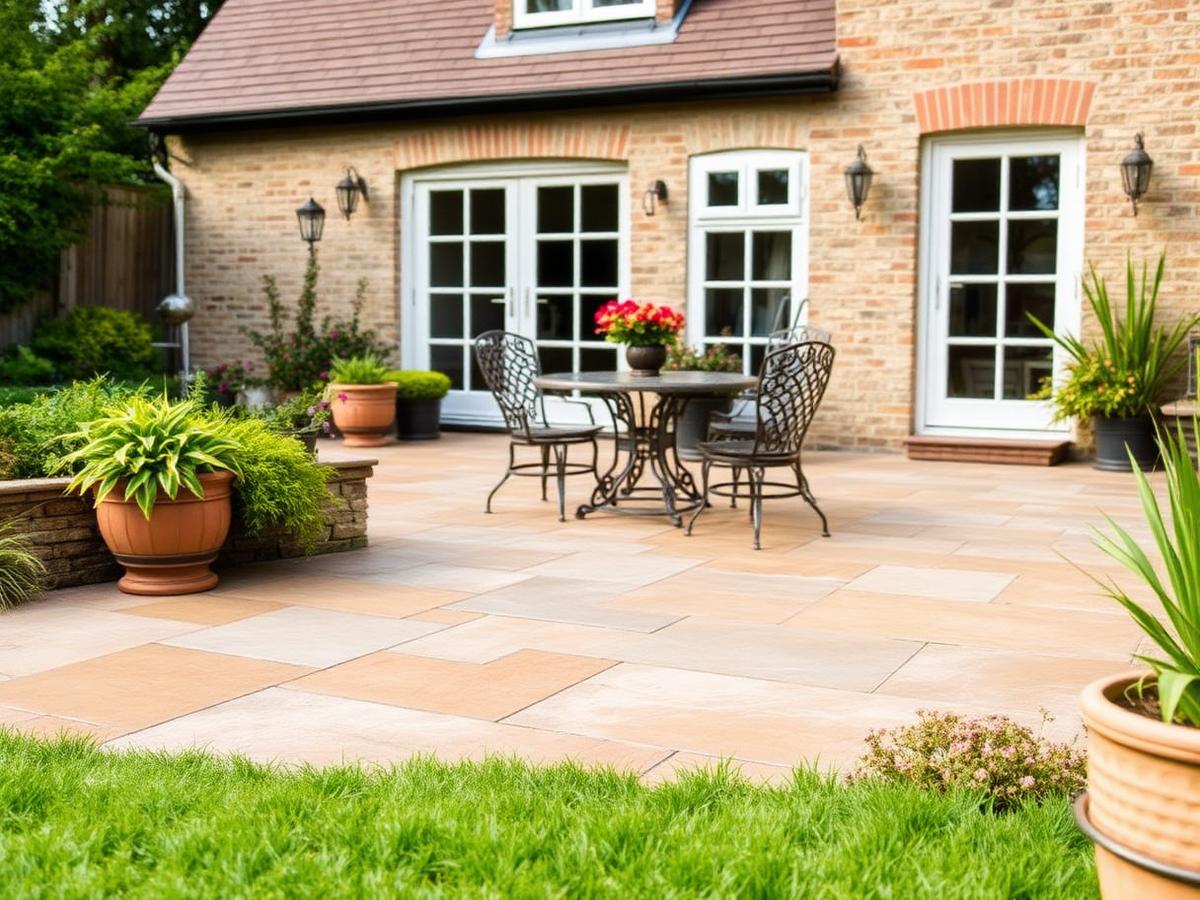
Original sandstone flagged path at a period house near Lister Park
The grand terraces and villas around Lister Park were built with generous front gardens and sandstone flagged paths leading to the door, many of them original to the Victorian build. That stone has softened and pitted slightly with age, which makes it more absorbent and more vulnerable to aggressive cleaning than a modern paving product.
How the steam visit is carried out
- Step 1
Low-volume steam application
The steam lance is worked slowly along the path in overlapping strokes, using heat rather than water volume to loosen grime from the stone's pitted surface.
- Step 2
Lichen dwell time
Sections with heavier lichen growth are given a longer dwell before agitation, avoiding the need for aggressive scrubbing that could wear the stone.
- Step 3
Hand finishing at edges
Path edges tight against planting are finished with a hand brush rather than the lance, keeping the treatment away from nearby roots and stems.
Why the sandstone paths near Lister Park need a gentler approach
The grand terraces and villas around Lister Park were built with generous front gardens and sandstone flagged paths leading to the door, many of them original to the Victorian build. That stone has softened and pitted slightly with age, which makes it more absorbent and more vulnerable to aggressive cleaning than a modern paving product.
Because these paths often run close to established planting — box hedging, rose beds, mature shrubs right up to the path edge — a cleaning method that uses less bulk water and less overspray is often the more practical choice, quite apart from the stone itself.
Many of these properties are within a conservation area given their proximity to the park, so owners are often specifically looking to avoid anything that could alter or damage the historic stone surface.
What to expect from steam versus pressure
Before we start
- Steam suits softened, pitted sandstone better than high-pressure water, which can widen existing pitting
- Low water volume means minimal disruption to planting right at the path edge
- Conservation area properties often prefer this gentler method for original stone
Once it's done
- Lichen can take longer to lift than general grime and may need a slower pass
- Results on aged, pitted stone tend to look softened rather than brand new, which suits a period property
Getting kit in, getting water away
Paths here are usually a metre or so wide, bordered tightly by planting, so equipment is kept to the centre of the path and hose runs are lifted clear of hedging rather than dragged through it. Front gates on these properties are often original ironwork and are opened and closed carefully rather than left propped.
Steam cleaning uses a fraction of the water volume of pressure washing, so there's little run-off to manage, but where the path has a slight camber toward planting beds we still direct any moisture away from root balls rather than straight into them. Any water that does reach the path edge soaks away into the beds rather than pooling on the stone.
- Typical surfaces
- Yorkshire stone flags and 1930s red-brick pathways
- Common property stock
- Victorian terrace, 1930s semi, modern estate home
- Nearest commercial hub
- Bradford Broadway and Little Germany
- Area type
- city
- Postcode district
- BD1
- Local authority
- City of Bradford MDC
Scope agreed before anything is switched on
- We survey the surface first and say plainly if steam cleaning is the wrong call for it.
- Scope is written down, so you can see exactly what is and isn't included.
- Where a stain or defect won't fully clear, we say so before you book.
Reading the sandstone before steaming
Stone softness and pitting
We check for areas where the sandstone has softened or pitted with age, since these need lower steam pressure and more dwell time rather than a rushed pass.
Lichen versus surface grime
Established lichen colonies on old sandstone are identified separately from general grime, as lichen often needs a longer steam application to lift cleanly.
Planting proximity
We map how close hedging and beds sit to the path edge so the steam lance is angled away from foliage during the pass.
See the Bradford sandstone sealing page for how the same path can be protected once cleaned.
Questions from period property owners
Is steam cleaning safe for original Victorian sandstone paths?+
Yes, the lower water volume and controlled heat suit softened or pitted stone better than high-pressure water, which can accelerate wear on older surfaces.
Will steam cleaning damage the planting along my path?+
The lance is worked away from foliage and low water volume limits overspray, so nearby hedging and beds are largely unaffected.
Does my property need permission to have the path cleaned if it's in a conservation area?+
Routine cleaning that doesn't alter the stone itself isn't typically restricted, but it's worth checking your specific conservation area guidance if you're unsure.
Why not just use pressure washing on my sandstone path?+
Older, softened sandstone can be more vulnerable to erosion under high pressure, so steam's lower water volume and heat-based approach is often the safer choice.
Quick summary
Softened, pitted period sandstone responds better to steam's heat and low water volume than to high pressure.