
Colour Enhancing Sealer for Sandstone Patios Near Baildon, Bradford
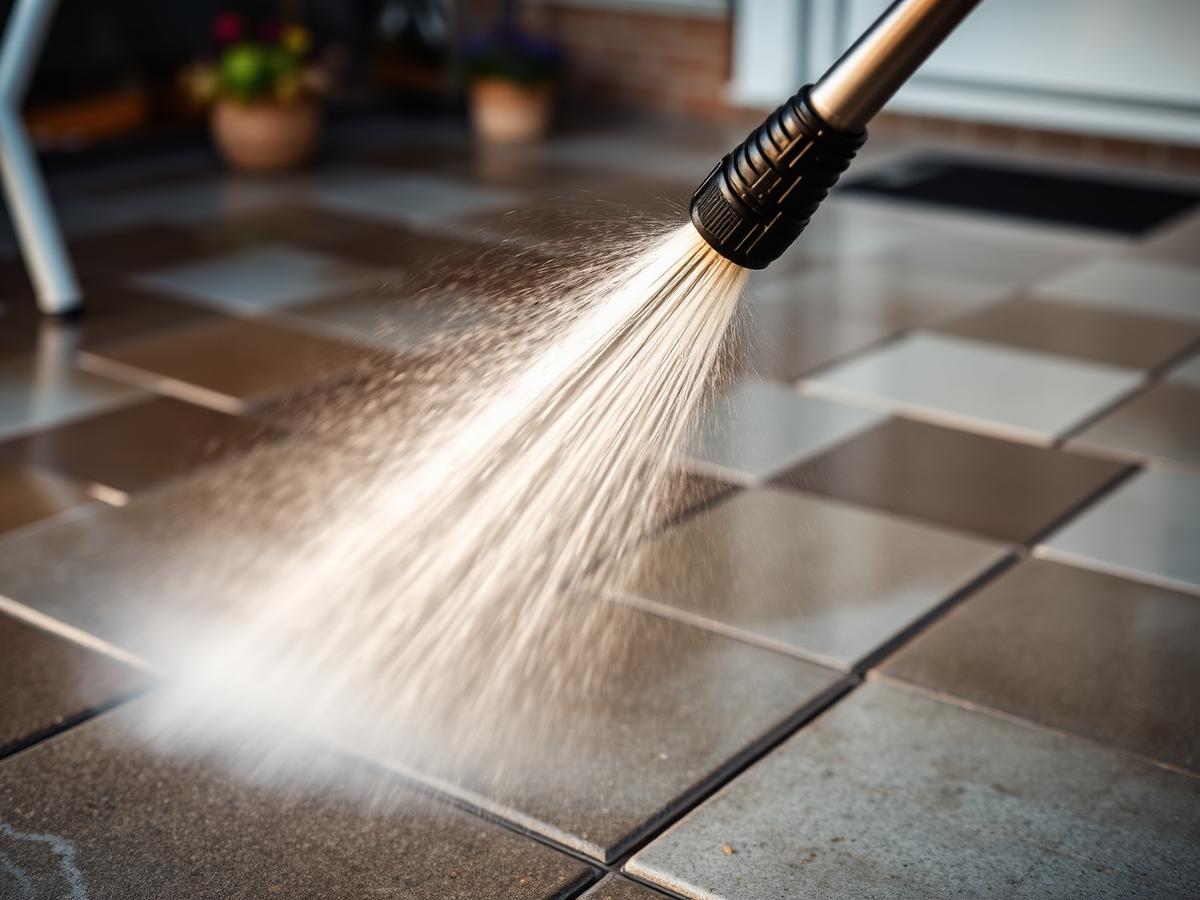
Buff sandstone patio at a Baildon-edge property overlooking the moor
Properties on the edge of Baildon Moor, where buff sandstone is the traditional local material, often have patios where the stone's natural colour looks noticeably richer when it's rained than when it's dry — a sign the stone's true tone is being muted by a dry, dusty surface rather than the colour being genuinely faded.
Why moor-edge sandstone looks washed out compared to when it's wet
Properties on the edge of Baildon Moor, where buff sandstone is the traditional local material, often have patios where the stone's natural colour looks noticeably richer when it's rained than when it's dry — a sign the stone's true tone is being muted by a dry, dusty surface rather than the colour being genuinely faded.
These patios tend to be more exposed to weather sweeping off the moor than a patio in a built-up part of the city, so the surface dries out quickly between showers and rarely holds that deeper wet-look colour for long without help.
Homeowners here are often specifically drawn to the idea of a sealer that brings out the stone's natural buff and gold tones permanently, rather than simply protecting it, which is a slightly different conversation to a purely functional seal.
Getting kit in, getting water away
Patios in this moor-edge setting are often reached via a side gate or across a lawn, so equipment is carried rather than wheeled where the ground is soft, and any garden furniture is cleared from the patio before application so the whole surface can be coated evenly in one visit.
Given the exposed moor-edge position, we watch the forecast closely, since wind-driven rain here can arrive with little warning and the sealer needs a dry window to cure without being disturbed. The patio's natural fall away from the house is maintained so any surface water continues to run off as intended rather than sitting on newly coated stone.
- Local authority
- City of Bradford MDC
- County
- West Yorkshire
- Main route in
- M606 / A650
- Nearest city
- Leeds — 9 miles
- Typical surfaces
- Yorkshire stone flags and 1930s red-brick pathways
- Common property stock
- Victorian terrace, 1930s semi, modern estate home
Getting the look right rather than overdone
Before we start
- A test patch is worth doing before committing the whole patio to a colour change
- Exposed moor-edge weather means timing around a longer dry spell than usual
- Uneven existing staining should be addressed before enhancing, not after
Once it's done
- The enhanced colour will fade gradually over time and can be refreshed with a maintenance coat
- Overlap lines from an interrupted application are the main risk of an uneven look
Assessing stone tone before applying an enhancer
Wet-look colour test
We wet a small test area to show the homeowner the colour depth an enhancing sealer will bring out, so expectations are set against the stone's real potential before starting.
Surface porosity
Buff sandstone porosity varies by batch and age, so we check how readily a test patch absorbs product, which affects both look and how many coats are needed.
Existing staining or unevenness
Patchy staining is identified first, since a colour enhancer will make uneven staining more visible rather than less if it isn't cleaned out beforehand.
How a colour enhancing seal is applied
- Step 1
Thorough clean and full drying
The patio is cleaned and given time to dry completely, since any residual damp affects how evenly the enhancing sealer is absorbed.
- Step 2
Test patch sign-off
A small area is sealed first and left to cure so the homeowner can see the true finished colour before the whole patio is committed to.
- Step 3
Even, full-coverage application
Once approved, the sealer is applied across the whole patio in one continuous session to avoid any visible join between sealed and unsealed sections.
This patio's preparation clean is covered on the Bradford patio sealing and pressure washing pages.
Questions about enhancing sandstone colour
Will a colour enhancing sealer make my sandstone patio look artificial?+
A well-applied enhancer brings out the stone's own buff and gold tones rather than adding an artificial colour, similar to the look when the stone is wet.
How long does the enhanced colour last before it needs redoing?+
It gradually softens with weathering and UV exposure over time, and a maintenance coat can refresh the depth of colour when it does.
Can I see what my patio will look like before committing to the whole area?+
Yes, we always seal a small test patch first so you can see the real result on your own stone before the full patio is done.
Is this suitable for a patio this exposed to moor-edge weather?+
It's suitable, but timing is planned around a settled dry spell given how quickly weather can turn at this altitude.
Scope agreed before anything is switched on
- We survey the surface first and say plainly if colour-enhancing sealer is the wrong call for it.
- Scope is written down, so you can see exactly what is and isn't included.
- Where a stain or defect won't fully clear, we say so before you book.
The short answer
A colour enhancing sealer works best with a test patch first, especially on exposed, weather-beaten moor-edge stone.