
Imprinted Concrete Sealing Near the Racecourse Boundary, Castleford
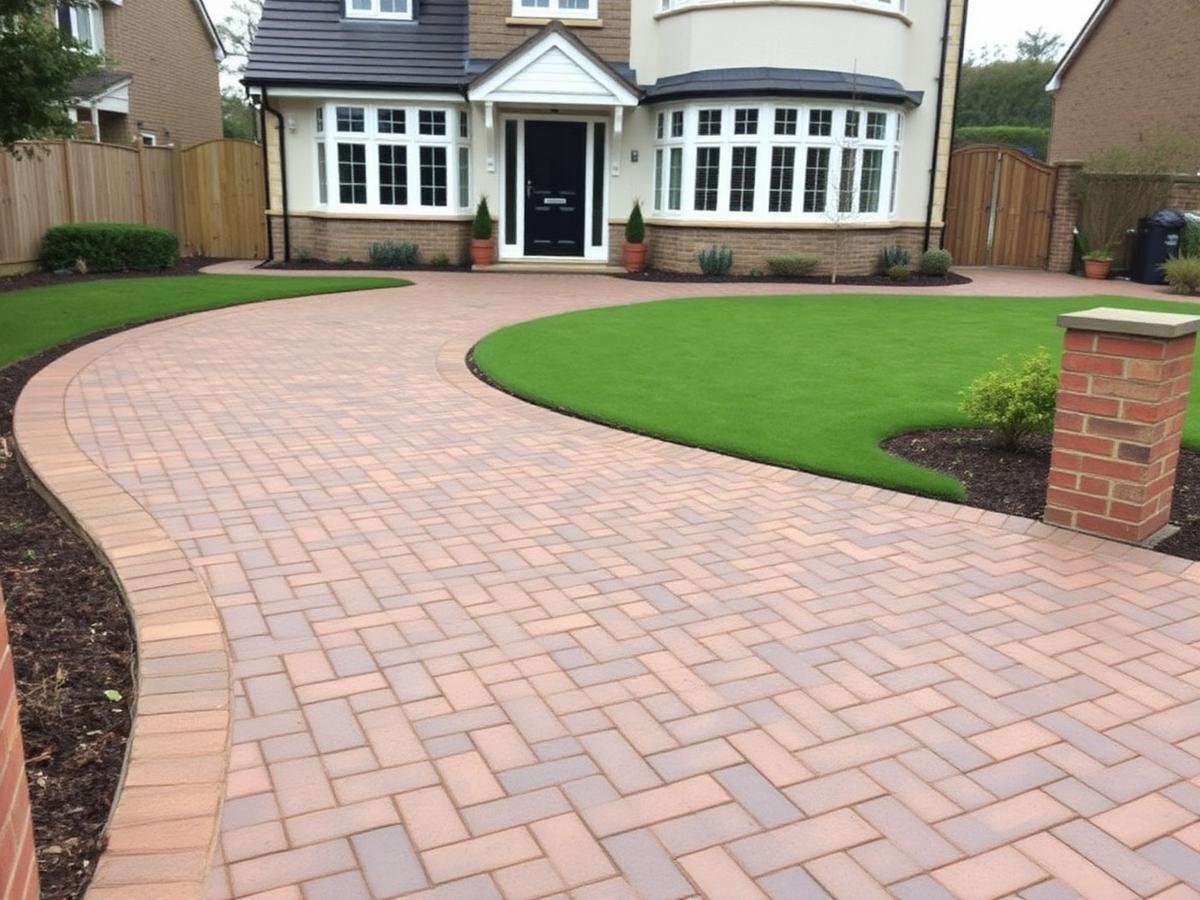
Driveway on a modern cul-de-sac near the racecourse boundary
A number of the modern cul-de-sac homes built near the racecourse boundary chose imprinted concrete for their driveways when originally built, valued for the stone-effect pattern without the joint maintenance of block paving. Years on, UV exposure and traffic wear have faded the colour hardener and worn down the surface sealer that originally gave the pattern its depth.
Pattern-stamped drives losing their crispness
A number of the modern cul-de-sac homes built near the racecourse boundary chose imprinted concrete for their driveways when originally built, valued for the stone-effect pattern without the joint maintenance of block paving. Years on, UV exposure and traffic wear have faded the colour hardener and worn down the surface sealer that originally gave the pattern its depth.
Without that sealer, the pattern lines that were stamped into the wet concrete start to look flat and the colour patchy, particularly on the section nearest the road where tyres cross daily. It's a common surprise for homeowners who assumed imprinted concrete needed no ongoing care at all.
These drives typically sit on a gentle fall down toward the road from the garage, meaning water naturally tracks across the most-used section of the pattern, accelerating wear exactly where the surface sees the most traffic.
What fading imprinted concrete tells us
Colour hardener fade level
We assess how much of the original colour hardener has worn away, particularly on the tyre-track section nearest the road.
Pattern line wear
Stamped pattern grooves are checked for wear depth, since heavily worn lines may need extra sealer build-up to restore visual definition.
Surface crazing or hairline cracking
Fine surface cracks common in older imprinted concrete are noted before sealing, since sealer alone won't fix structural cracking.
Getting kit in, getting water away
These cul-de-sac drives are generally open with no gates, and with the racecourse nearby occasionally bringing event-day parking pressure to the area, we schedule sealing to avoid clashing with race meeting dates when neighbouring cars might need the road.
The gentle fall toward the road on these drives means sealer application has to account for water naturally tracking downhill during curing, so we schedule around a settled dry spell rather than risking a shower disturbing a freshly sealed slope.
- Postcode district
- WF10
- Local authority
- Wakefield MDC
- County
- West Yorkshire
- Main route in
- M62 J32 / A639
- Nearest city
- Wakefield — 9 miles
- Typical surfaces
- block paving and imprinted concrete drives
What shapes this type of sealing job
Before we start
- Racecourse event days can affect road access and should be avoided when scheduling
- Tyre-track sections nearest the road usually need the most sealer attention
- Sloped drives need a dry weather window to cure without water tracking through
Once it's done
- Surface cracking needs separate repair before sealing, not sealing alone
- Colour hardener fade is common and generally restorable with the right sealer
How resealing restores the pattern
- Step 1
Full surface clean and dry
The concrete is thoroughly cleaned and given time to dry fully, since sealing over damp concrete causes a cloudy, uneven finish.
- Step 2
Colour-matched sealer application
Sealer is chosen to restore the pattern's contrast and colour depth, applied evenly with attention to the worn tyre-track section.
- Step 3
Slope-aware curing management
Given the drive's fall toward the road, we time the application within a settled weather window so the sealer isn't disturbed while curing.
Scope agreed before anything is switched on
- We survey the surface first and say plainly if imprinted concrete sealing is the wrong call for it.
- Scope is written down, so you can see exactly what is and isn't included.
- Where a stain or defect won't fully clear, we say so before you book.
Homeowners near the racecourse ask
Why has the pattern on our drive gone so flat looking?+
It's usually the original sealer wearing away rather than the pattern itself disappearing — resealing typically restores the depth and contrast.
Can you work around racecourse event days?+
Yes, we check the race calendar when scheduling drives in this area to avoid clashing with event-day parking pressure.
Will resealing fix the cracks we've noticed?+
Sealer won't repair structural cracking, but we'll flag any cracks we find so they can be addressed before or alongside sealing.
How long does the sealer last before it needs doing again?+
It depends on sun exposure and traffic, but the section nearest the road generally wears faster than the rest of the drive.
See our patio-sealing page for a comparable Castleford resealing approach on flagged surfaces.
If your imprinted concrete drive near the racecourse has lost its pattern definition, ask us for an assessment before booking a reseal.
In short
Imprinted concrete near the racecourse needs colour-matched, slope-aware resealing to bring the pattern back into focus.