
Imprinted Concrete Sealing for Cul-de-Sac Drives in Horsforth
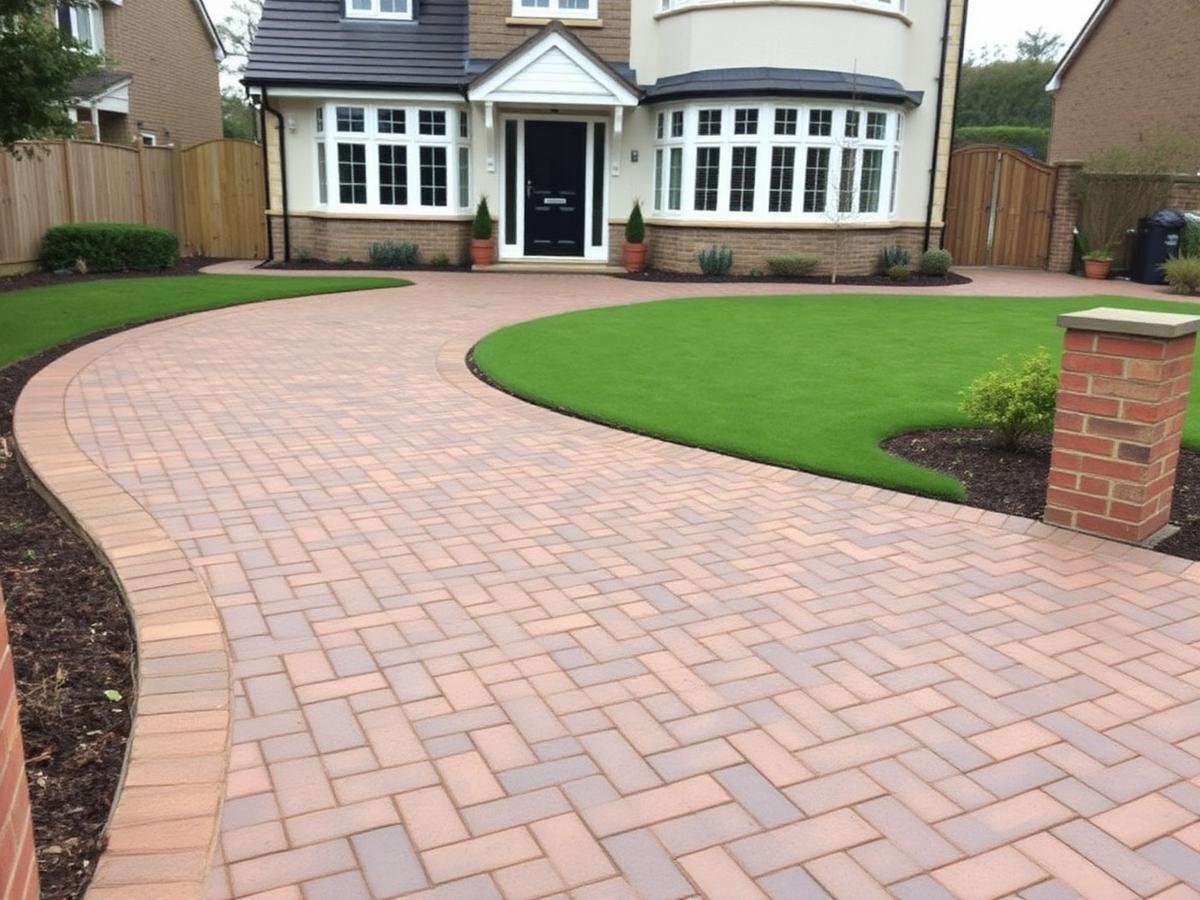
Imprinted concrete drive on a newer cul-de-sac off the A6120
A number of the newer cul-de-sacs off the A6120 near Horsforth were finished with imprinted concrete driveways rather than block paving, giving a patterned, coloured surface that was popular when many of these estates were built. Unlike block paving, imprinted concrete is a single poured slab, so its main enemies are UV fade and surface sealant wearing thin rather than joint or sand loss.
Imprinted concrete on the newer cul-de-sacs
A number of the newer cul-de-sacs off the A6120 near Horsforth were finished with imprinted concrete driveways rather than block paving, giving a patterned, coloured surface that was popular when many of these estates were built. Unlike block paving, imprinted concrete is a single poured slab, so its main enemies are UV fade and surface sealant wearing thin rather than joint or sand loss.
Once the original sealant wears away, usually visible as a dulling of colour and a slightly rougher, more porous feel underfoot, the surface becomes far more prone to oil staining and moss taking hold in the recessed pattern lines that mimic brick or stone joints.
These cul-de-sacs tend to have generous, sun-exposed driveways given the estate layout, so fading here tends to be more even across the whole surface rather than patchy, which actually makes colour restoration through sealing a fairly reliable process.
What we check on imprinted concrete first
Existing sealant wear level
We check how much of the original factory or previous sealant remains by looking at colour consistency and surface texture, which determines prep work needed.
Crack and pattern-line inspection
Hairline cracks, especially along the recessed pattern grooves, are noted since these need addressing before sealing traps moisture inside them.
Colour fade mapping
We compare shaded areas, such as under a parked car, against the rest of the drive to judge how much colour restoration the sealer needs to achieve.
Getting kit in, getting water away
Cul-de-sac drives are usually wide enough for comfortable working space, with visitor parking bays nearby making it easy to relocate a car for the day rather than relying on street parking on a through road. We check for any shared driveway arrangements between adjoining plots before starting.
Imprinted concrete is largely impermeable, so these drives typically have a formal channel drain along one edge feeding into the estate's surface water system; we make sure this channel is clear before sealing so the curing surface isn't left standing in pooled water from an unexpected shower.
- Postcode district
- LS18
- Local authority
- Leeds City Council
- County
- West Yorkshire
- Main route in
- A65 / Leeds Ring Road A6120
- Nearest city
- Leeds — 5 miles
- Typical surfaces
- block paving with occasional York stone borders
What to know before sealing imprinted concrete
Before we start
- Sealer restores colour but won't fill or disguise structural cracking
- A dry, mild day is needed both for application and the following cure period
- Cars need to stay off the drive fully during curing, not just parked to one side
Once it's done
- Recessed pattern lines need extra attention during cleaning, since moss hides there first
- Re-sealing every few years keeps colour consistent rather than letting it fade unevenly
Sealing an imprinted concrete driveway
- Step 1
Full clean and moss removal
The surface is cleaned thoroughly, with particular attention to moss and grime that's settled into the recessed pattern lines rather than the flat surface.
- Step 2
Crack and joint sealing
Any hairline cracks are treated with an appropriate filler before the main sealer goes down, so they're not simply covered over and left to widen.
- Step 3
Colour-enhancing sealer coat
A sealer suited to imprinted concrete is applied evenly, restoring depth of colour across the pattern while giving a slip-resistant rather than glossy finish.
Scope agreed before anything is switched on
- We survey the surface first and say plainly if imprinted concrete sealing is the wrong call for it.
- Scope is written down, so you can see exactly what is and isn't included.
- Where a stain or defect won't fully clear, we say so before you book.
Cul-de-sac residents' questions on sealing
My imprinted concrete has gone patchy and dull — can sealing fix that?+
In most cases yes, a colour-enhancing sealer restores much of the original depth of colour, particularly where fading has been fairly even across the surface.
What about the small cracks appearing in the pattern lines?+
These are treated and filled before sealing where possible, since sealing over an active crack just traps moisture and lets it get worse underneath.
How slippery will the drive be after sealing?+
We use a sealer with a slip-resistant finish rather than a high-gloss one, which matters given how exposed these driveways can be to rain.
How long before I can park back on the drive?+
Curing time depends on weather, but we'll confirm a clear timeframe and you shouldn't need alternative parking for more than a day or two typically.
For everyday upkeep between seals, see our rotary surface cleaning page for the same driveway type.
If your imprinted concrete drive off the A6120 has faded or is showing early cracking, get in touch and we'll assess it for sealing.
The short version
Imprinted concrete driveways on Horsforth's newer cul-de-sacs need periodic sealing to restore colour and protect pattern-line cracks.