
Patio Sealing for 1930s Semis Near Northgate, Baildon
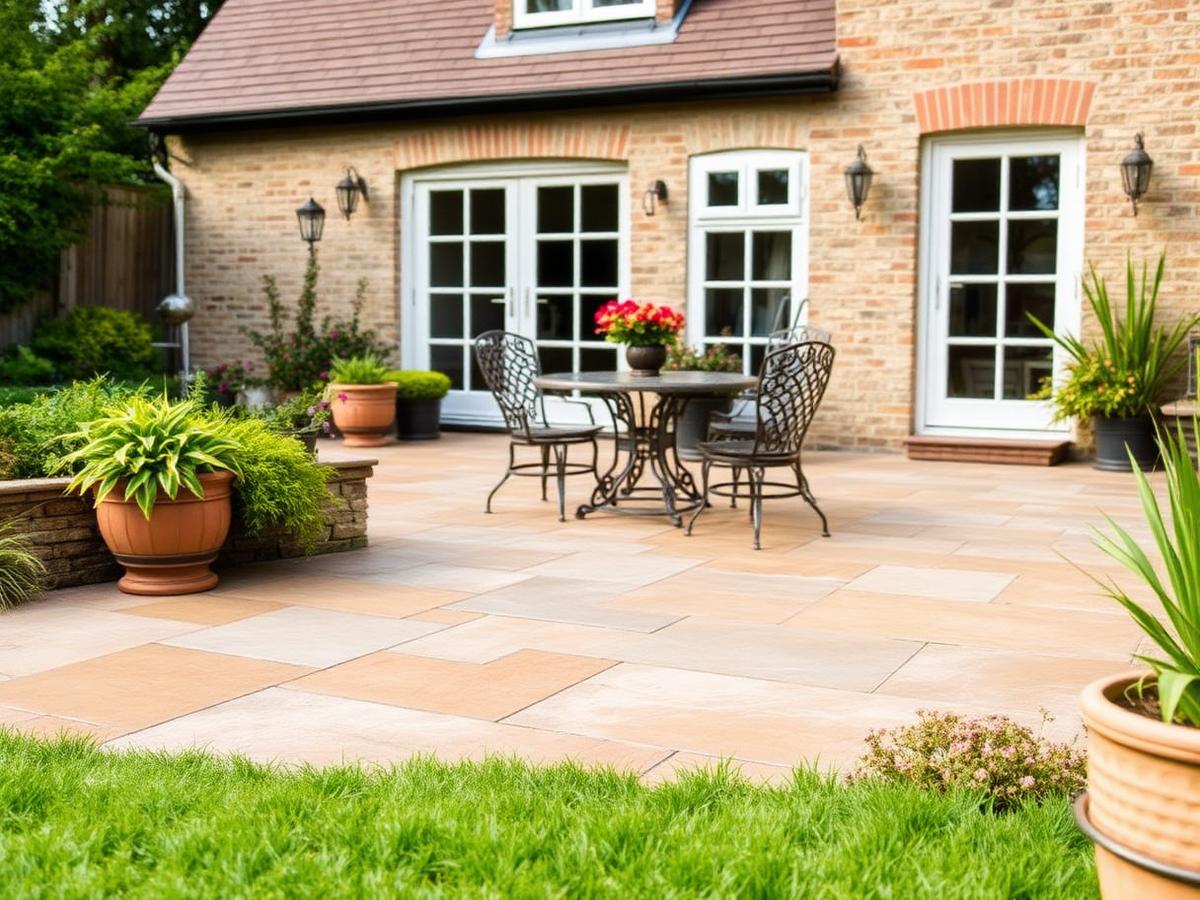
South-facing rear patio on a 1930s semi near Northgate, used daily for outdoor seating
The 1930s semis around Northgate tend to have decent-sized rear gardens with a flagged patio directly off the back door, used through the warmer months for everyday outdoor seating rather than sitting purely decorative. That daily use — chairs dragged across the surface, spilled drinks, barbecue grease, muddy paws — wears a patio differently to one that's rarely touched.
Why a well-used patio wears differently to a decorative one
The 1930s semis around Northgate tend to have decent-sized rear gardens with a flagged patio directly off the back door, used through the warmer months for everyday outdoor seating rather than sitting purely decorative. That daily use — chairs dragged across the surface, spilled drinks, barbecue grease, muddy paws — wears a patio differently to one that's rarely touched.
These patios are typically laid with Yorkshire stone flags or a similar local sandstone, which is naturally porous and readily absorbs whatever lands on it unless protected. South-facing gardens on this side of Baildon get decent sun through summer, which helps drying but also accelerates UV fade on unsealed stone that's constantly exposed rather than shaded.
Because these gardens are used practically rather than kept for show, sealing has to account for ongoing spills and traffic, not just protect against rain and general weathering the way a rarely used patio might need.
How sealing works around daily use
- Step 1
Targeted pre-clean of daily-use marks
Grease, food and general daily grime are treated before sealing rather than assumed to lift under the sealant, since sealant only protects clean stone rather than cleaning it.
- Step 2
Even multi-coat application
Given the practical, high-use nature of the patio, sealant is applied in even coats rather than a single thin layer, giving better resistance to everyday spills.
- Step 3
Staged access for daily routines
We work with households on realistic timing so the family isn't locked out of their main outdoor space for longer than the cure genuinely requires.
What we check before sealing a lived-in patio
Grease and spill staining check
We identify any existing barbecue grease or drink staining, since sealing over these locks them in rather than lifting them, so a targeted pre-clean is needed first.
Stone porosity test
A water-drop test on a small area shows how quickly the flags absorb moisture, which guides how many coats of sealant will actually be needed.
Furniture footprint wear
Areas under regularly placed furniture often show different wear to open patio space, so we treat these zones with the same attention rather than working around them.
Balancing protection with practical living
Before we start
- A well-used patio benefits from a slightly heavier sealant application than a purely decorative one.
- Keep the area free of furniture and foot traffic for the specified cure time even if it's inconvenient short-term.
- Existing grease staining should be treated before sealing, not covered by it.
Once it's done
- South-facing exposure means UV protection matters as much as water resistance in the product chosen.
- Reapplication timing should account for genuine daily wear rather than a generic multi-year estimate.
Getting kit in, getting water away
Access to these rear gardens is usually through a side gate alongside the house, sometimes shared with a bin store, so we confirm gate width and any obstructions before bringing sealing equipment through. Garden furniture is moved off the patio for the full working area rather than shuffled around it.
These patios typically drain into a rear lawn or a garden soakaway rather than a formal gully, given the domestic garden layout. Sealant application is planned for dry, still conditions so nothing runs off into lawn areas before it's had a chance to cure.
- Nearest commercial hub
- Baildon Browgate and Otley Road parade
- Area type
- market town
- Postcode district
- BD17
- Local authority
- City of Bradford MDC
- County
- West Yorkshire
- Main route in
- A6038
Other sealing services and Baildon property types are linked nearby.
Scope agreed before anything is switched on
- We survey the surface first and say plainly if patio sealing is the wrong call for it.
- Scope is written down, so you can see exactly what is and isn't included.
- Where a stain or defect won't fully clear, we say so before you book.
Questions about furniture, spills and everyday wear
Will sealing stop barbecue grease marks in future?+
It makes spills far easier to wipe up before they soak in, though quick cleanup still matters — sealing reduces absorption rather than making the surface immune.
How long will we be without our patio?+
We plan the cure period around your household's routine as much as possible and will confirm exact timing based on the product and weather on the day.
Does sealing change how the stone looks?+
Most sealants used on lived-in patios give a natural, low-sheen finish rather than a glossy look, though we'll discuss options before starting.
Can you work around our existing garden furniture?+
Furniture needs to come off the patio for the full sealing and cure process, but we'll help plan timing so it's back in place as soon as sensibly possible.
If your Northgate-area patio gets daily use and could do with proper protection rather than just a clean, ask about a sealing visit.
The short version
A daily-use patio near Northgate needs sealing that accounts for real spills and traffic, not just weather.