
Barn Conversion Approach Cleaning on the Hawksworth Lane in Menston
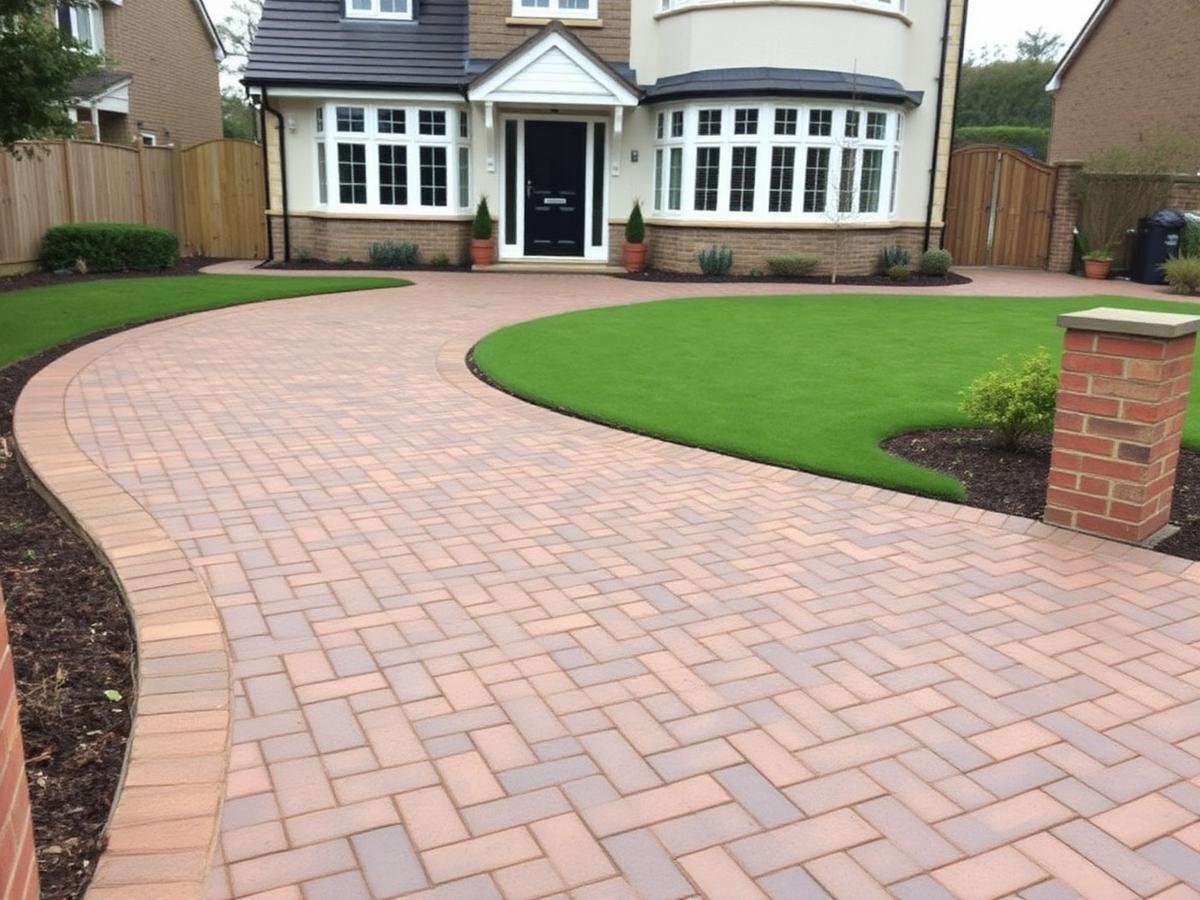
Converted barn approach on the lane toward Hawksworth with a mixed stone-and-gravel run
Barn conversions along the lane toward Hawksworth often keep a genuinely mixed approach: original stone flag near the converted building itself, a stretch of gravel or hardcore further out where vehicles used to turn, and sometimes a later concrete apron added when the conversion was completed. Each of these surfaces ages and stains completely differently, so treating the whole approach as one uniform job rarely gives a good result.
A property with several different surfaces from different eras
Barn conversions along the lane toward Hawksworth often keep a genuinely mixed approach: original stone flag near the converted building itself, a stretch of gravel or hardcore further out where vehicles used to turn, and sometimes a later concrete apron added when the conversion was completed. Each of these surfaces ages and stains completely differently, so treating the whole approach as one uniform job rarely gives a good result.
These properties sit well back from the main road, often down a shared or private track, which means the approach also picks up more mud and organic debris from surrounding fields than a village-centre driveway ever would, particularly after wet weather when tractors or other farm traffic may have crossed the same ground.
Owners here are usually managing a genuinely large area — considerably bigger than a standard driveway — so the practical challenge is less about delicate stonework and more about covering ground efficiently while still giving each surface type appropriate treatment.
How the visit handles multiple surface types
- Step 1
Debris and mud clearance
Heavier mud and organic debris are cleared mechanically first, since simply hosing over them just spreads material rather than removing it.
- Step 2
Surface-appropriate cleaning
Stone, gravel and concrete sections each get treated with a method suited to that material, rather than one setting run across the whole approach.
- Step 3
Full-approach final check
Once each section is done, we walk the full length again to confirm a consistent standard across what was originally several different jobs in one visit.
Reading a mixed-surface approach before starting
Surface-by-surface mapping
We walk the full approach first to map which sections are original stone, gravel, hardcore or later concrete, since each needs a different method.
Mud and organic build-up
Areas with heavier mud or organic debris, often near field boundaries, are identified separately since these need clearing before any washing is useful.
Shared track wear
Where the track is shared with another property, we note which sections see the heaviest combined traffic and therefore the most ingrained staining.
What matters most on a barn conversion approach
Before we start
- Mixed surfaces need mixed methods rather than one blanket approach
- Shared tracks need access coordinated with any neighbouring property
- Mud and field debris should be cleared before washing begins
Once it's done
- Chemical use is kept minimal given proximity to open countryside drainage
- Large approaches take longer than a standard driveway visit
Getting kit in, getting water away
The private track leading to these conversions is often shared with a neighbouring farm or another converted property, so we confirm access arrangements and timing in advance to avoid blocking the track for anyone else needing to pass. Ground can be uneven where gravel has migrated or hardcore has settled, so equipment is positioned with that in mind.
Water off a mixed approach like this typically follows the natural fall of the land toward a field boundary, hedge line or informal ditch rather than any engineered drainage, so we're careful with any chemical use given the direct route toward open countryside, favouring plain water and mechanical cleaning wherever it will do the job.
- Nearest city
- Leeds — 11 miles
- Typical surfaces
- Wharfedale stone flags and honey-toned setts
- Common property stock
- stone-built cottage, modern detached home, 1930s semi
- Nearest commercial hub
- Menston Main Street and Bingley Road parade
- Area type
- commuter village
- Postcode district
- LS29
See how we handle other converted farmhouse yards on Menston's outer lanes.
Scope agreed before anything is switched on
- We survey the surface first and say plainly if farmhouses & barn conversions is the wrong call for it.
- Scope is written down, so you can see exactly what is and isn't included.
- Where a stain or defect won't fully clear, we say so before you book.
Questions from barn conversion owners
My approach has three different surfaces — can you treat them all in one visit?+
Yes, we plan for that by mapping each surface type first and using an appropriate method for each rather than treating the whole approach the same way.
Will chemical cleaners run off into the fields nearby?+
We keep chemical use minimal and favour mechanical and plain-water cleaning specifically because of how close open countryside drainage is to these approaches.
The track is shared with another property — does that complicate things?+
We simply confirm timing and access with everyone using the track beforehand so nobody's left blocked in or out during the visit.
Is a job this size going to take much longer than a normal driveway?+
Generally yes, given the combined surface area and mix of materials, so we plan for a longer visit rather than rushing a large approach into a standard time slot.
If your barn conversion approach could use attention across its different surfaces, get in touch and we'll plan a visit that treats each one properly.
The essential point
Mixed-surface barn conversion approaches on the Hawksworth lane need surface-specific treatment rather than one uniform clean.