
Cleaning and Sealing for Barn Conversions Around Wetherby
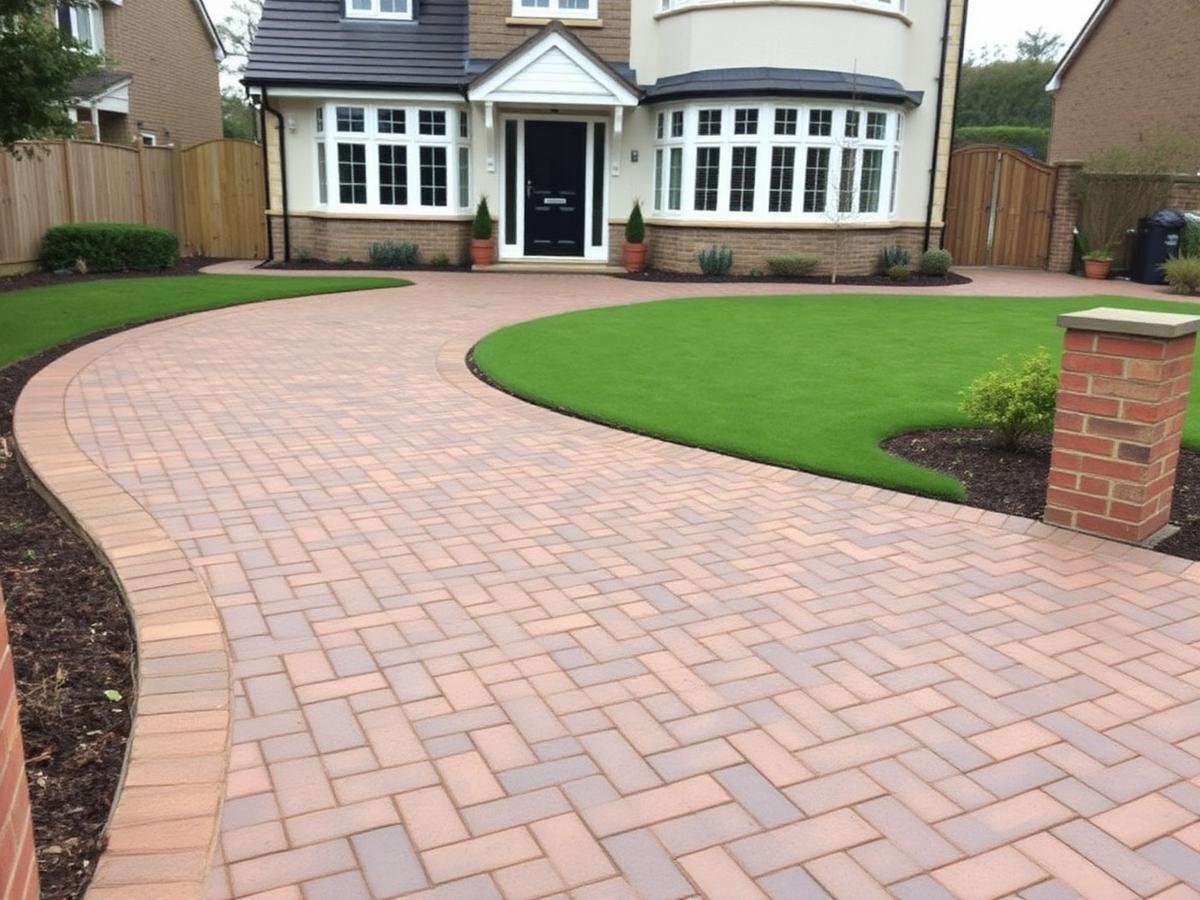
Converted barn property on the rural fringe with mixed old and new surfaces
Barn conversions scattered through the LS22 countryside around Wetherby tend to combine original stone flagging from the working farm era with newer paving added when the barn was converted into a home, often for a garage, extension or parking area. The result is a courtyard or approach that looks unified at a glance but is actually two or three different materials laid decades apart, each with different porosity and wear characteristics.
A property with two different pasts under one roof
Barn conversions scattered through the LS22 countryside around Wetherby tend to combine original stone flagging from the working farm era with newer paving added when the barn was converted into a home, often for a garage, extension or parking area. The result is a courtyard or approach that looks unified at a glance but is actually two or three different materials laid decades apart, each with different porosity and wear characteristics.
Being working farm buildings originally, these properties often still see genuinely rural traffic and use — muddy boots, farm vehicles occasionally passing on a shared track, livestock nearby — which is a different pattern of soiling to a suburban driveway and needs treating as such rather than assumed to be simple garden dirt.
The original stone in particular has often had decades without any sealing or protective treatment at all, since farm buildings were never finished to a domestic standard, which means a first proper clean and seal can reveal a surprising amount of colour and detail that's been hidden under years of ingrained grime.
Treating a mixed-surface courtyard properly
- Step 1
Material-by-material assessment
Each distinct paved area is assessed on its own terms rather than treating the whole courtyard as a single surface.
- Step 2
Deep clean of ingrained farm-era grime
Original stone often needs a more thorough initial clean than newer paving, given decades without any prior treatment.
- Step 3
Sealing recommendation by zone
Where sealing is appropriate, it's recommended and applied by zone to suit each material's history and porosity.
Reading old and new surfaces side by side
Age and origin of each paved area
We identify which sections date from the working farm and which were added during conversion, since they need different treatment approaches.
Sealing history, if any
Original farm-era stone has often never been sealed, which we check for before deciding on treatment intensity.
Old drainage channel condition
Farm-era drainage channels are checked for blockage or redirection from conversion works before any water-heavy treatment begins.
What rural conversions need thinking through
Before we start
- Farm-era drainage channels checked before any heavy water use
- Original unsealed stone often needs a more intensive first clean than newer paving
- Shared farm tracks and gates factored into access planning
Once it's done
- Livestock or working farm activity nearby considered when scheduling
- Sealing treated as an option per zone rather than a single blanket decision
Getting kit in, getting water away
Access is usually generous for vehicles given the rural setting, though shared farm tracks may still see agricultural traffic passing, and gates or cattle grids need factoring into how equipment reaches the courtyard itself.
Drainage on a converted barn site is often a mix of old farm-era channels, sometimes partially blocked or redirected during conversion works, and newer domestic drainage added for the extension; we check both before using any detergent so run-off doesn't overload an old channel not designed for modern volumes.
- Nearest city
- Leeds — 13 miles
- Typical surfaces
- magnesian limestone flags and clay-red block paving
- Common property stock
- Georgian townhouse, stone-built villa, modern executive home
- Nearest commercial hub
- Wetherby Racecourse retail and Sandbeck industrial
- Area type
- market town
- Postcode district
- LS22
See our sandstone sealing and biocide treatment pages for related treatments suited to older rural stone.
Scope agreed before anything is switched on
- We survey the surface first and say plainly if farmhouses & barn conversions is the wrong call for it.
- Scope is written down, so you can see exactly what is and isn't included.
- Where a stain or defect won't fully clear, we say so before you book.
Questions from barn conversion owners
Why does my original barn stone look so different once cleaned?+
It's likely never been properly cleaned or sealed since the building's farm days, so decades of ingrained grime lift to reveal much more natural colour and detail.
Should the old and new paving be sealed the same way?+
Generally no, since they're different materials with different porosity; we assess and recommend by zone rather than one blanket product.
Will farm vehicle traffic affect how often I need this done?+
It can, particularly if a shared track brings mud and debris onto your courtyard more frequently than a typical residential driveway would see.
Is old, undocumented drainage a problem for cleaning?+
It can be if channels are blocked or redirected, so we check this first to avoid overloading a system not designed for modern water volumes.
If your barn conversion's courtyard mixes old farm stone with newer paving, get in touch and we'll assess each area properly before recommending a way forward.
The short version
Barn conversions around Wetherby mix farm-era stone with newer paving, each needing its own cleaning and sealing approach rather than one blanket treatment.