
Faced with weeds pushing up through paving joints, there are really two approaches: spray something on them, or physically clear and refill the joint they're growing from. Both work, but they solve slightly different problems and last for different lengths of time.
Understanding the difference helps decide whether a quick chemical treatment is enough or whether the joints themselves need proper attention.
How chemical weed killer works
A weed killer treats what's visible and, depending on the product, may work down into the root system to prevent regrowth from that same plant. It's fast to apply and needs no specialist equipment.
Its limitation is that it doesn't change the underlying condition of the joint. If the sand is low and the gap is open, new seed can still land and germinate there even after the original weed has been killed off.
How mechanical removal works
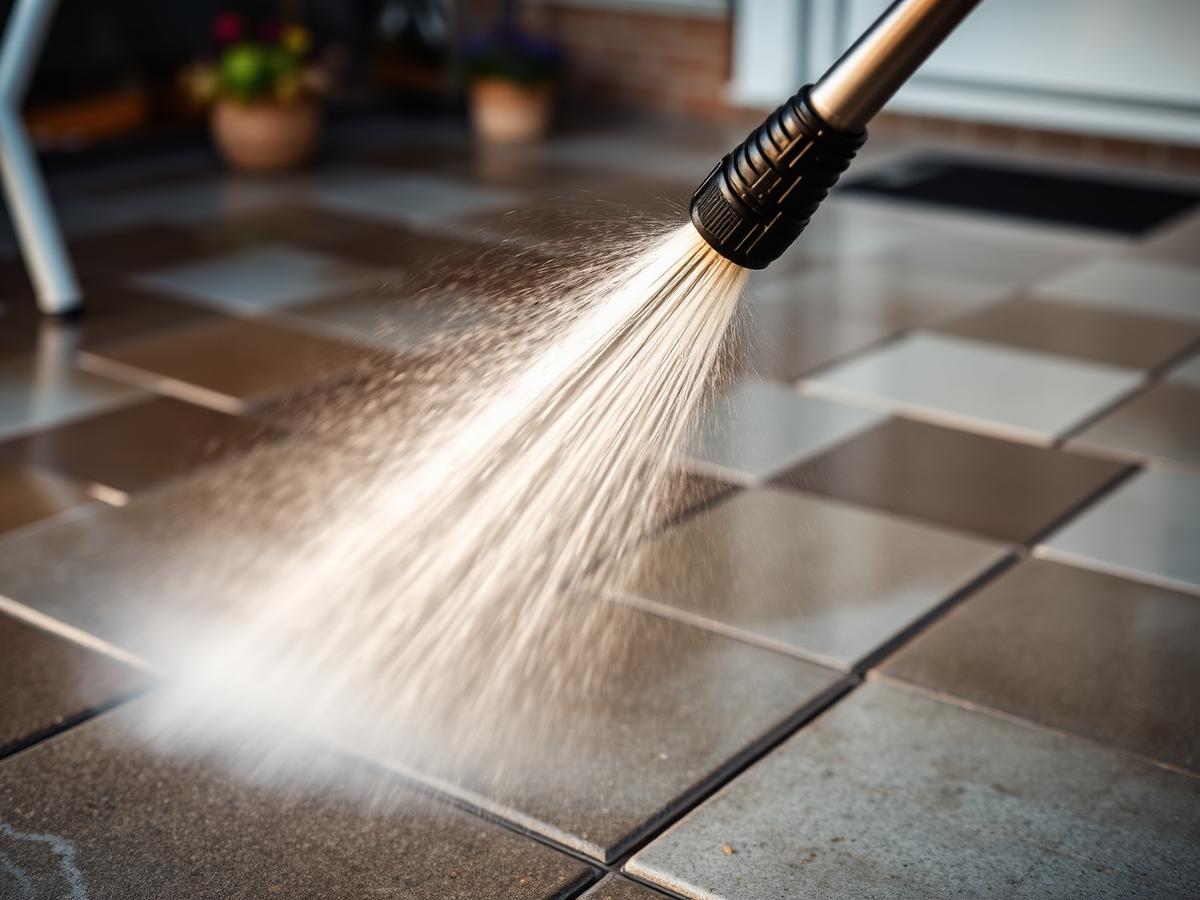
- Joints are cleared of old sand, debris and root matter, often using a rotary cleaner or specific joint attachment.
- Fresh kiln-dried sand is worked into the joints, closing the gap that weed seed had been using.
- There's no chemical residue, which matters near planted borders or where children and pets use the space regularly.
- It addresses sunken or uneven jointing at the same time, rather than just the weed sitting on top of it.
Durability of each approach
Chemical treatment is often the quicker fix but tends to need repeating as new seed finds its way into the same open joints over a season or two.
Mechanical removal and re-sanding takes more effort upfront but tends to hold for longer because the physical opportunity for seed to establish has been reduced, not just the current weed removed.
Combining the two sensibly
For an established, deep-rooted weed, a chemical treatment first can make sense to prevent regrowth from any root matter left after mechanical clearing.
Following that with a proper re-sand closes the joint and gives the treatment a much better chance of being the last time that particular patch needs attention for a while.