
Biocide Treatment for Riverside Stone Paths in Ilkley
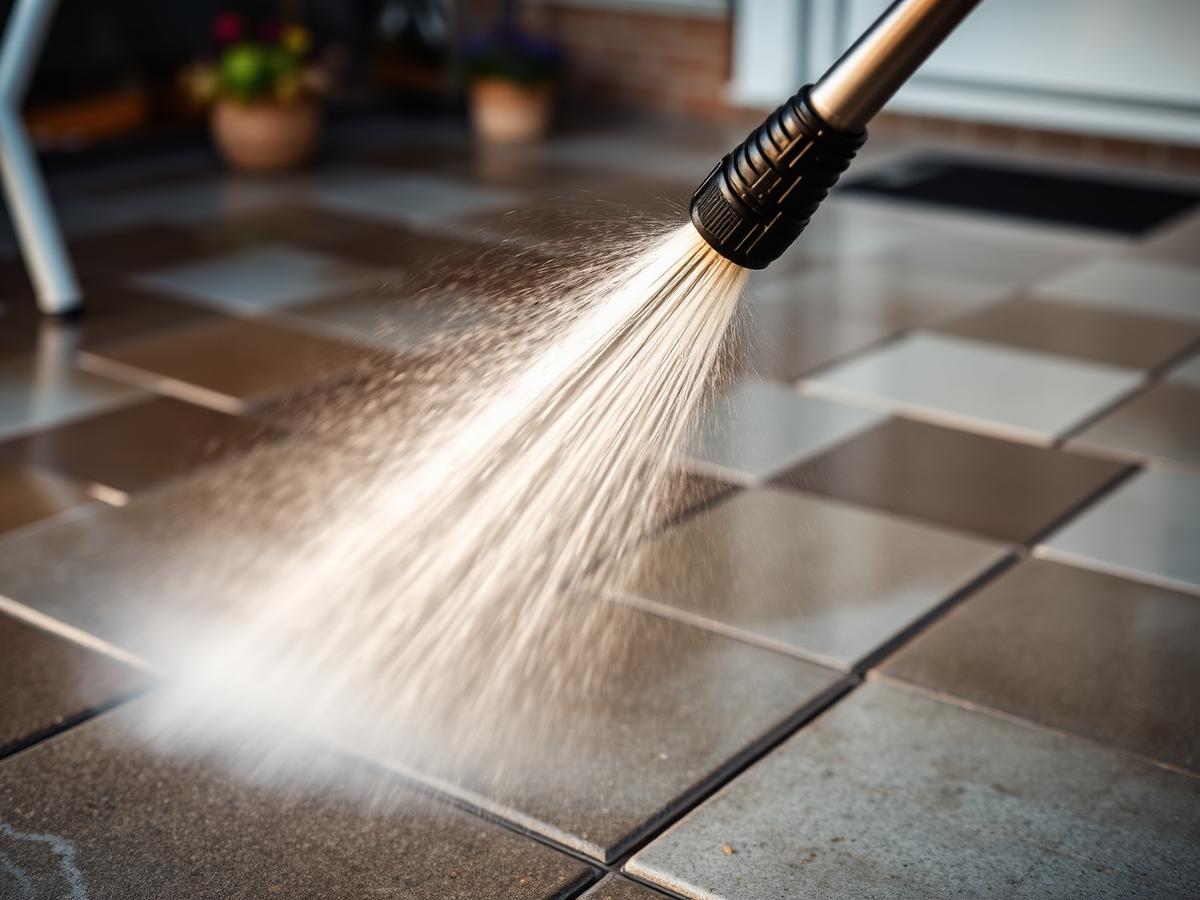
Riverside stone path near the Wharfe with persistent algae from flood-plain damp
Properties with gardens running down toward the Wharfe, particularly those on the flatter ground either side of the river through Ilkley, deal with a level of ground and air moisture that inland streets simply don't see. Occasional flood-plain flooding leaves a fine silt on paths and patios that, combined with constant dampness, creates ideal conditions for algae to establish within weeks of a clean rather than months.
Why paths near the Wharfe grow algae faster than the rest of town
Properties with gardens running down toward the Wharfe, particularly those on the flatter ground either side of the river through Ilkley, deal with a level of ground and air moisture that inland streets simply don't see. Occasional flood-plain flooding leaves a fine silt on paths and patios that, combined with constant dampness, creates ideal conditions for algae to establish within weeks of a clean rather than months.
These riverside paths are often narrow stone walkways rather than full patios, connecting a garden gate to a summer house or a mooring point, and the stone here tends to be older and more porous than the modern paving used elsewhere in newer parts of the town.
Because the river sits so close, any treatment applied needs to be thought through in relation to the watercourse itself, not just the stone, and dwell time has to account for the fact these paths rarely get a full day of direct sun to help them dry.
Getting kit in, getting water away
Riverside gardens are frequently accessed via a side gate rather than the main house, and paths can be narrow enough that equipment has to be carried in single file rather than wheeled, so we check the route in before committing to a start time.
Given the proximity to the Wharfe, we're careful to keep treatment away from the water's edge itself and allow it to work into the stone rather than run off toward the bank, avoiding any unnecessary contact with the river during application.
- Nearest city
- Bradford — 12 miles
- Typical surfaces
- reclaimed York stone and honey-toned setts
- Common property stock
- Victorian villa, stone-built townhouse, moorland detached home
- Nearest commercial hub
- Ilkley Grove promenade and Leeds Road retail
- Area type
- market town
- Postcode district
- LS29
What affects how long the treatment holds
Before we start
- Recent flooding should be allowed to clear before treatment is scheduled.
- Permanently shaded riverside stretches need more frequent repeat treatment.
- Treatment is kept well back from the water's edge as standard practice.
Once it's done
- Older, more porous stone can take longer to show the full benefit of treatment.
- A dry spell after treatment helps the biocide work into the stone properly.
What we check before choosing a biocide strength
Checking silt deposit from recent flooding
After any recent high water, we check how much silt has been left on the path surface, since this changes how the biocide needs to be applied compared to a dry, algae-only surface.
Assessing stone porosity
Older riverside stone tends to be more porous than modern paving, so we judge how deeply treatment needs to penetrate rather than sitting only on the surface.
Mapping shade and sun exposure along the path
Because these paths often run under overhanging bankside trees, we note which sections get almost no direct sun and will need a longer treatment cycle.
How a biocide visit is carried out
- Step 1
Clearing loose silt before treatment
Any recent flood silt is cleared by hand or low-pressure rinse first, since biocide applied over silt doesn't reach the algae rooted in the stone beneath it.
- Step 2
Applying biocide with river proximity in mind
Solution is applied carefully along the path length, kept well back from the water's edge, and given time to work into the stone rather than being immediately washed toward the bank.
- Step 3
Extended dwell on permanently shaded stretches
Sections under tree cover that rarely see sun get a longer dwell period, since these are the stretches that will show regrowth soonest without it.
Soft washing tackles established lichen on the same kind of shaded stone once biocide has done its work.
Questions about biocide treatment in Ilkley
Does treatment near the river need to be handled differently?+
Yes — we keep application well back from the water's edge and let it work into the stone rather than allowing it to run off toward the bank.
How often does a riverside path need biocide treatment compared to a normal patio?+
Given the constant damp and limited direct sun along the Wharfe, these paths typically need more frequent treatment than a sunnier, inland patio would.
Does flooding wash away the benefit of a recent treatment?+
Significant flooding can deposit silt that masks new algae growth and dilute the treatment's effect, so we'd usually recommend waiting until the path has settled before reapplying.
Is the treatment safe to use so close to the river?+
We apply it carefully and keep it away from the water's edge specifically because of the proximity, treating the path itself rather than letting product reach the watercourse.
Scope agreed before anything is switched on
- We survey the surface first and say plainly if biocide treatment is the wrong call for it.
- Scope is written down, so you can see exactly what is and isn't included.
- Where a stain or defect won't fully clear, we say so before you book.
The short version
Riverside stone paths near the Wharfe need biocide treatment planned around flood silt, shade and proximity to the water itself.