
Rotary Surface Cleaning for Block Paving in Baildon
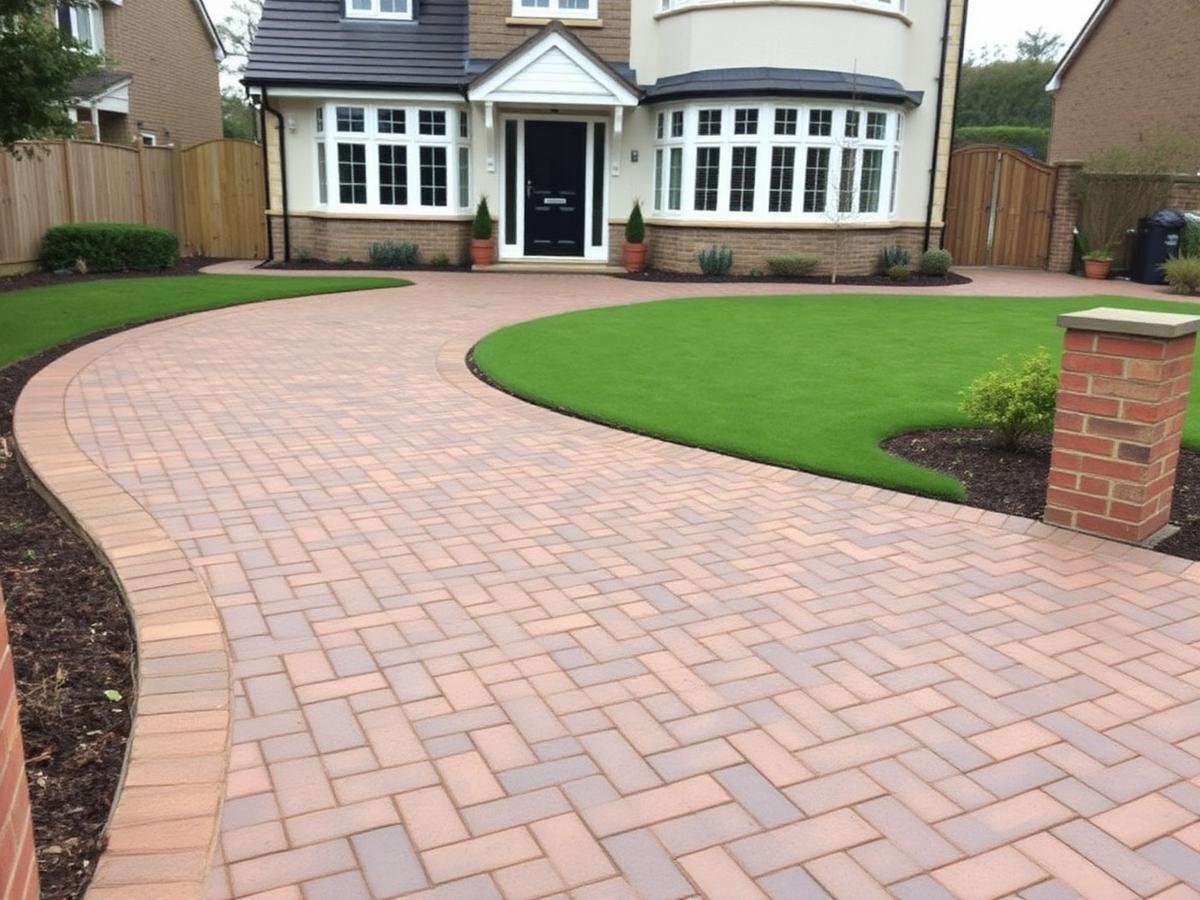
Wide block-paved drive on a modern cul-de-sac off the Baildon bypass
The newer cul-de-sacs built off the bypass side of Baildon typically have generous double-width block-paved driveways, laid with consistent modern blocks rather than the reclaimed stone used further into the older parts of town. That width and uniformity is actually what makes a rotary surface cleaner worth using — a hand lance covers the same ground unevenly, leaving faint overlap stripes that show up clearly on a large, flat expanse.
Why wide modern drives need a different approach to narrow ones
The newer cul-de-sacs built off the bypass side of Baildon typically have generous double-width block-paved driveways, laid with consistent modern blocks rather than the reclaimed stone used further into the older parts of town. That width and uniformity is actually what makes a rotary surface cleaner worth using — a hand lance covers the same ground unevenly, leaving faint overlap stripes that show up clearly on a large, flat expanse.
These estates sit slightly more sheltered from the moor wind than properties higher up near Baildon Moor, but they still catch a steady build-up of general grime, tyre residue and windblown pollen from nearby verges and young street trees planted along the estate roads.
Because block paving relies on sand-filled joints to lock the blocks in place, how the cleaning head is used matters as much as the machine itself — get it wrong and you strip jointing sand out along with the dirt.
Reading the paving before starting the flat head
Jointing sand level check
We assess how much sand remains in the joints across the drive, since low levels change how much suction versus pressure the rotary head should use.
Surface flatness and camber
Wide drives often have a gentle camber for drainage; we map this before starting so the rotary head follows a consistent pattern rather than fighting the fall.
Block type and edge restraint
Modern block paving usually has a fixed edge course; we confirm it's intact so pressure isn't inadvertently working blocks loose at the boundary.
Getting kit in, getting water away
Wide modern drives on these cul-de-sacs usually have space for two cars plus turning room, so we can generally work half the drive at a time while a car sits on the other half if needed. On-street parking is normally available for neighbours during the visit given the estate's wider road layout.
These newer developments were built with permeable jointing in some cases and standard drainage to road gullies in others; we check which applies before cleaning, since permeable paving needs the joints kept intact rather than power-washed clear.
- Main route in
- A6038
- Nearest city
- Bradford — 4 miles
- Typical surfaces
- Yorkshire stone flags and older buff sandstone
- Common property stock
- stone-built terrace, moor-edge detached, 1930s semi
- Nearest commercial hub
- Baildon Browgate and Otley Road parade
- Area type
- market town
What affects the finish on block paving
Before we start
- A wider drive takes proportionally longer, not because it's harder, but because there's more surface to cover evenly.
- Fresh jointing sand needs a dry period afterward to settle before heavy rain.
- Permeable block paving should not have joints power-washed completely clear.
Once it's done
- Cars should be moved off in stages if the whole drive can't be cleared at once.
- A consistent finish depends on even overlap, so rushing the pass pattern shows up more on wide areas than narrow ones.
How the rotary head is worked across a wide surface
- Step 1
Overlapping pass pattern
The rotary head is walked in slightly overlapping rows across the full width, which is what avoids the visible striping a hand lance tends to leave on a large flat area.
- Step 2
Contained spray at the flat head
Because the rotary head shrouds the water, spray stays close to the surface rather than misting into neighbouring gardens or over fences on either side.
- Step 3
Joint sand top-up where needed
Any joints that come up noticeably low after cleaning are topped up with kiln-dried sand as part of the same visit rather than left exposed.
Scope agreed before anything is switched on
- We survey the surface first and say plainly if rotary surface cleaning is the wrong call for it.
- Scope is written down, so you can see exactly what is and isn't included.
- Where a stain or defect won't fully clear, we say so before you book.
Questions about streaking and jointing sand
Why use a rotary head instead of a normal jet on my drive?+
On a wide, flat surface a rotary head avoids the overlap stripes a hand-held lance tends to leave, giving a more even finish across the whole area.
Will cleaning strip out my jointing sand?+
Some loss is normal on any clean; we check levels beforehand and top up kiln-dried sand afterward where needed rather than leaving joints empty.
Is my paving permeable, and does that change anything?+
Many newer Baildon estates use permeable block paving; if yours does, we adjust technique to keep the joints working rather than clearing them completely.
Can you clean half the drive while a car sits on the other half?+
Yes, on a double-width drive we can usually section the work so one car stays put while we clean around it.
Other Baildon cleaning methods and nearby areas are covered in linked pages.
If your block-paved drive on one of Baildon's newer cul-de-sacs is looking patchy or streaked from previous cleaning, ask about a rotary head visit.
The short version
A rotary head gives wide modern block paving an even finish that hand-lance cleaning struggles to match.