
Rotary Surface Cleaning for Mill Forecourts in Saltaire
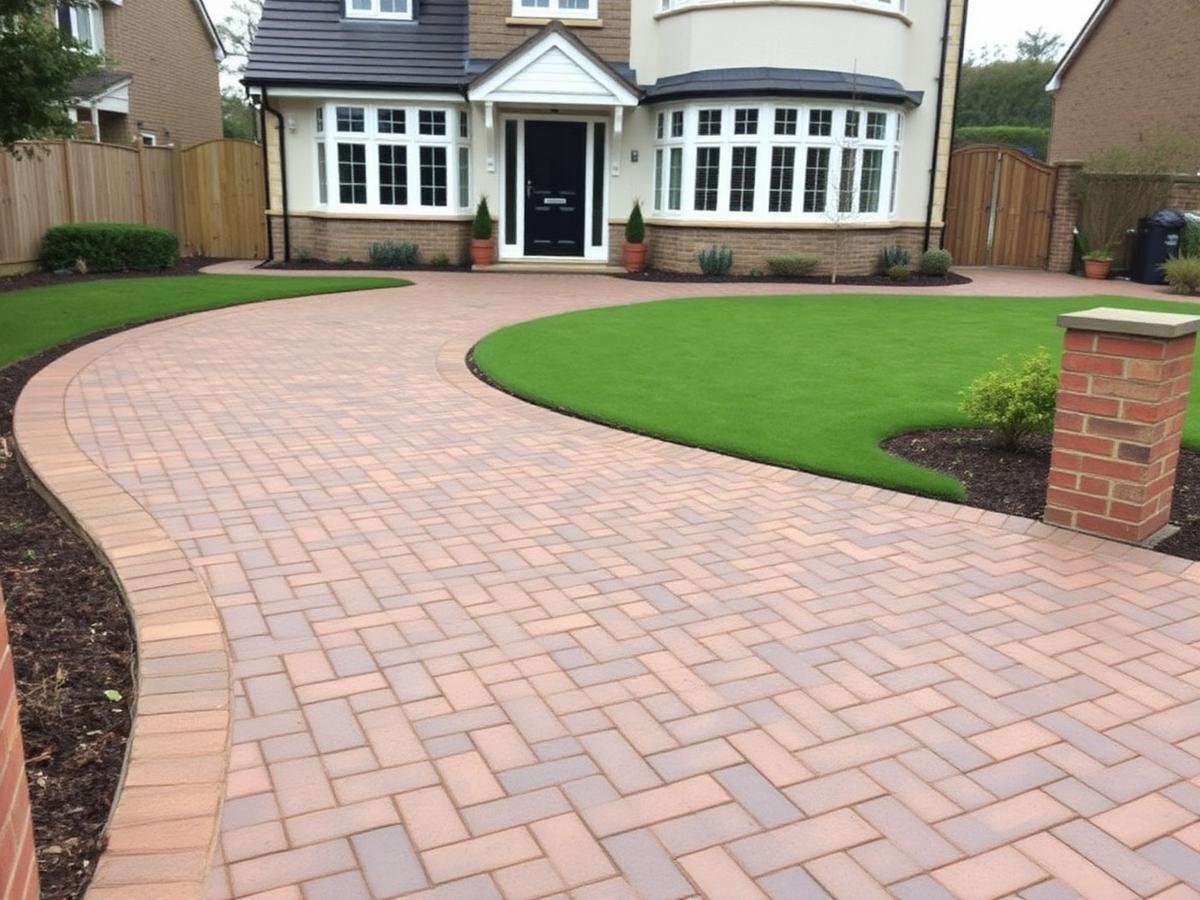
Flagstone forecourt outside a converted mill workshop unit
Some of the smaller units around Salts Mill's periphery have been converted into offices and workshops with open flagstone forecourts that see a mix of foot traffic, occasional deliveries and long dry spells where grime bakes into the surface. Unlike a domestic patio, these forecourts often cover a genuinely large area, which is exactly where a rotary head earns its keep over a hand lance.
Why forecourt flags near the mill show uneven wear
Some of the smaller units around Salts Mill's periphery have been converted into offices and workshops with open flagstone forecourts that see a mix of foot traffic, occasional deliveries and long dry spells where grime bakes into the surface. Unlike a domestic patio, these forecourts often cover a genuinely large area, which is exactly where a rotary head earns its keep over a hand lance.
The flags themselves vary in age across a single forecourt — original stone next to later replacement slabs laid during various conversion phases — which means the same wash pass can behave differently metre to metre.
Because these forecourts are often the first thing a client or visitor sees walking up to a mill-unit business, an uneven or streaky clean is more noticeable here than it would be tucked away in a back garden.
Checking the flags before the rotary head goes on
Flag age and wear consistency
We map where original stone meets later replacement slabs, since each can need a different sweep speed to come out even.
Surface levelness across the forecourt
Subtle dips collect standing water and grime differently, which affects where the rotary head needs extra dwell time.
Existing streak or stripe marks
Forecourts previously washed with a hand lance sometimes show pressure stripes; we note these so the rotary pass can correct rather than repeat them.
Getting kit in, getting water away
Forecourts around the mill periphery usually allow closer vehicle access than the residential streets nearby, though loading bays and shared access routes for other units mean timing has to avoid blocking deliveries.
Open forecourts typically drain via surface gullies set at intervals across the flagstone, sized for genuine rainfall volumes, so the steady, even water use of a rotary head suits this setup better than a hand lance that concentrates flow in one spot.
- Main route in
- A657 / A650
- Nearest city
- Bradford — 4 miles
- Typical surfaces
- original Bradford millstone grit and buff sandstone
- Common property stock
- Grade II stone terrace, mill-worker cottage, canal-side conversion
- Nearest commercial hub
- Salts Mill and Victoria Road boutiques
- Area type
- heritage village
Practical notes for forecourt owners
Before we start
- Large open forecourts dry faster than shaded yards, useful for same-day reopening
- Delivery access for neighbouring units should be checked before booking
- Mixed-age flagstone may show colour variation even after an even clean
Once it's done
- Rotary heads need edge finishing by hand to reach right against walls
- Dry, warm spells give the most predictable results on large open areas
How the rotary pass is run across a wide forecourt
- Step 1
Perimeter and edge hand-finishing
Rotary heads can't reach right into corners or against walls, so edges are finished by hand lance before or after the main pass.
- Step 2
Overlapping rotary sweep
The head is worked in overlapping passes across the open flagstone area to avoid the banding a single-pass approach can leave.
- Step 3
Consistency check across zones
Once complete, we walk the forecourt to confirm the different-age flag zones have come up to a consistent finish rather than patchy results.
Scope agreed before anything is switched on
- We survey the surface first and say plainly if rotary surface cleaning is the wrong call for it.
- Scope is written down, so you can see exactly what is and isn't included.
- Where a stain or defect won't fully clear, we say so before you book.
Questions from mill-unit occupiers
Will a rotary clean leave stripes like some pressure washing does?+
The overlapping sweep pattern of a rotary head is specifically what avoids the banding you get from a single hand-lance pass.
Can you clean around our loading bay without blocking deliveries?+
We coordinate timing with unit access needs so the forecourt work doesn't sit across a delivery route.
Our forecourt has mixed old and new flags — will it look uneven after?+
We check the age zones during diagnostics and adjust dwell time so the clean comes out consistent even if the stone colour itself naturally varies.
How quickly can the forecourt be walked on again?+
Open forecourts like these tend to dry faster than sheltered yards, often usable again the same day in dry weather.
See similar commercial forecourt work referenced for Shipley and Bradford.
For a mill-unit forecourt that needs an even, professional finish, get in touch and we'll assess the flagstone zones first.
The short version
Rotary surface cleaning gives Saltaire's larger mill forecourts an even finish across mixed-age flagstone.