
Soft Washing for Harrogate's Boutique Retail Frontages
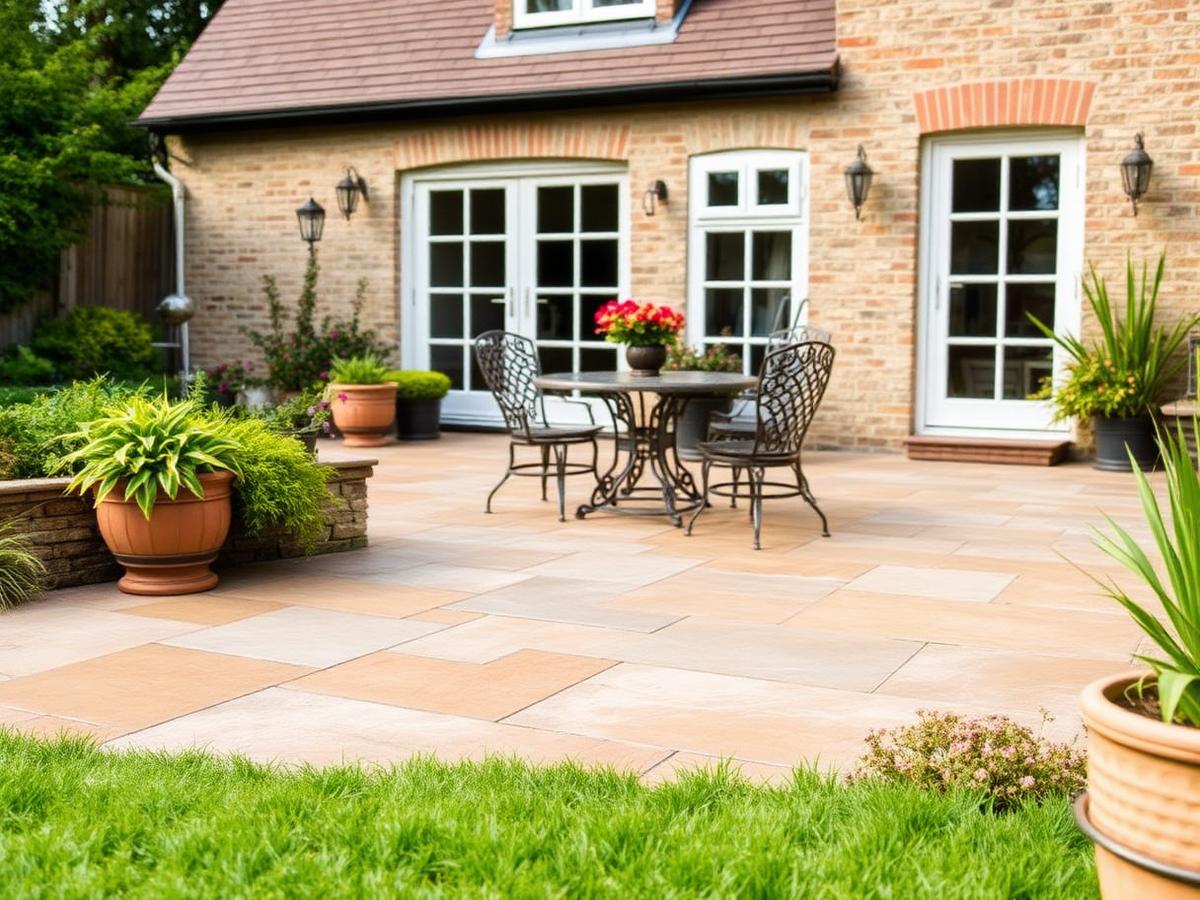
Honey-coloured sett frontage on a boutique retail parade
Around the boutique retail frontages near the centre, honey-coloured setts are laid tight against shopfront glass with barely a hand's width of clearance, and years of foot traffic have pressed grime into the joints rather than the stone faces themselves. Algae builds fastest where an awning or a neighbouring building's shadow keeps a strip permanently damp.
A sett frontage outside a boutique unit near the town centre
Around the boutique retail frontages near the centre, honey-coloured setts are laid tight against shopfront glass with barely a hand's width of clearance, and years of foot traffic have pressed grime into the joints rather than the stone faces themselves. Algae builds fastest where an awning or a neighbouring building's shadow keeps a strip permanently damp.
Because these units trade daily, any cleaning has to work around opening hours, delivery vans and the pedestrian flow along the parade, which rules out anything that needs the pavement closed off for long.
Magnesian limestone in this part of town takes on a greenish bloom quickly after wet weeks, and a strong jet on setts this size risks disturbing bedding sand that's already thin from decades of trolley wheels and foot traffic.
Running the visit around a trading shop
- Step 1
Working before opening or in a quiet trading window
Sections are treated either before the shop opens or during a quiet midweek window agreed with the tenant, so customers aren't stepping through wet stone.
- Step 2
Applying treatment in shielded, controlled sections
Solution is applied section by section with the glass and any planters shielded, working along the parade rather than across its full width at once.
- Step 3
Rinsing at low pressure once dwell time has passed
A gentle rinse follows once the treatment has had time to work, kept light enough not to disturb the thin bedding sand in the joints.
What gets checked before a chemical treatment is chosen
Identifying algae versus general grime
The greenish bloom near the awning is checked separately from the darker grime further along, since each responds to a different dilution and dwell time.
Checking bedding sand at the joints
Given the volume of foot and trolley traffic here, joints are checked for sand loss before deciding how much agitation, if any, the surface can take.
Assessing glass and signage proximity
Shopfront glass and any lower signage are noted so chemical application can be shielded and kept well clear during treatment.
Things to plan around
Before we start
- Trading hours dictate the working window more than the weather does.
- Awning shade means algae returns here faster than on open pavement.
- Thin bedding sand rules out high-pressure rinsing on these setts.
Once it's done
- Neighbouring units need a clear walking path kept throughout.
- A dry spell after treatment lets the chemical keep working rather than washing off early.
Getting kit in, getting water away
The parade has no dedicated parking, so equipment is usually run from a van kept on a nearby side street with hose extended along the pavement, coned off during the working section. Deliveries to neighbouring units need a clear path kept at all times, so work is done in short sections rather than blocking the whole frontage at once.
Run-off from the setts drains toward a channel gully set into the pavement edge, shared by several units along the parade, so treatment is applied gradually rather than all in one pass to avoid overloading it. Water for dilution is carried in rather than drawn from inside the shop.
- Local authority
- North Yorkshire Council
- County
- North Yorkshire
- Main route in
- A61 / A59
- Nearest city
- Leeds — 17 miles
- Typical surfaces
- reclaimed York stone and honey-coloured setts
- Common property stock
- Victorian villa, Yorkshire-stone townhouse, large detached home
Compare this with other cleaning approaches used across Harrogate's town-centre surfaces.
Scope agreed before anything is switched on
- We survey the surface first and say plainly if soft washing is the wrong call for it.
- Scope is written down, so you can see exactly what is and isn't included.
- Where a stain or defect won't fully clear, we say so before you book.
Questions shop owners ask before booking
Will soft washing disrupt trade on the day?+
Work is planned around a quiet trading window or before opening, in short sections, so customers can still pass along the parade.
Why does algae keep returning under the awning?+
That strip stays shaded and damp for longer than the open pavement, which gives algae a head start regardless of the season.
Is soft washing safer than pressure washing for old setts?+
For setts with worn bedding sand, low-pressure chemical treatment reduces the risk of disturbing the joints that a strong jet could wash out.
How is the shopfront glass protected during treatment?+
Glass and any nearby signage are shielded and kept clear of overspray while the solution is applied and rinsed.
If your unit on Harrogate's boutique parade has a sett frontage due a clean, get in touch and we'll plan a visit around your trading hours.
The short version
Boutique frontages with honey setts respond best to low-pressure treatment timed around trading hours and thin bedding sand.