
Soft Washing for Edwardian Semis in Roundhay, Leeds
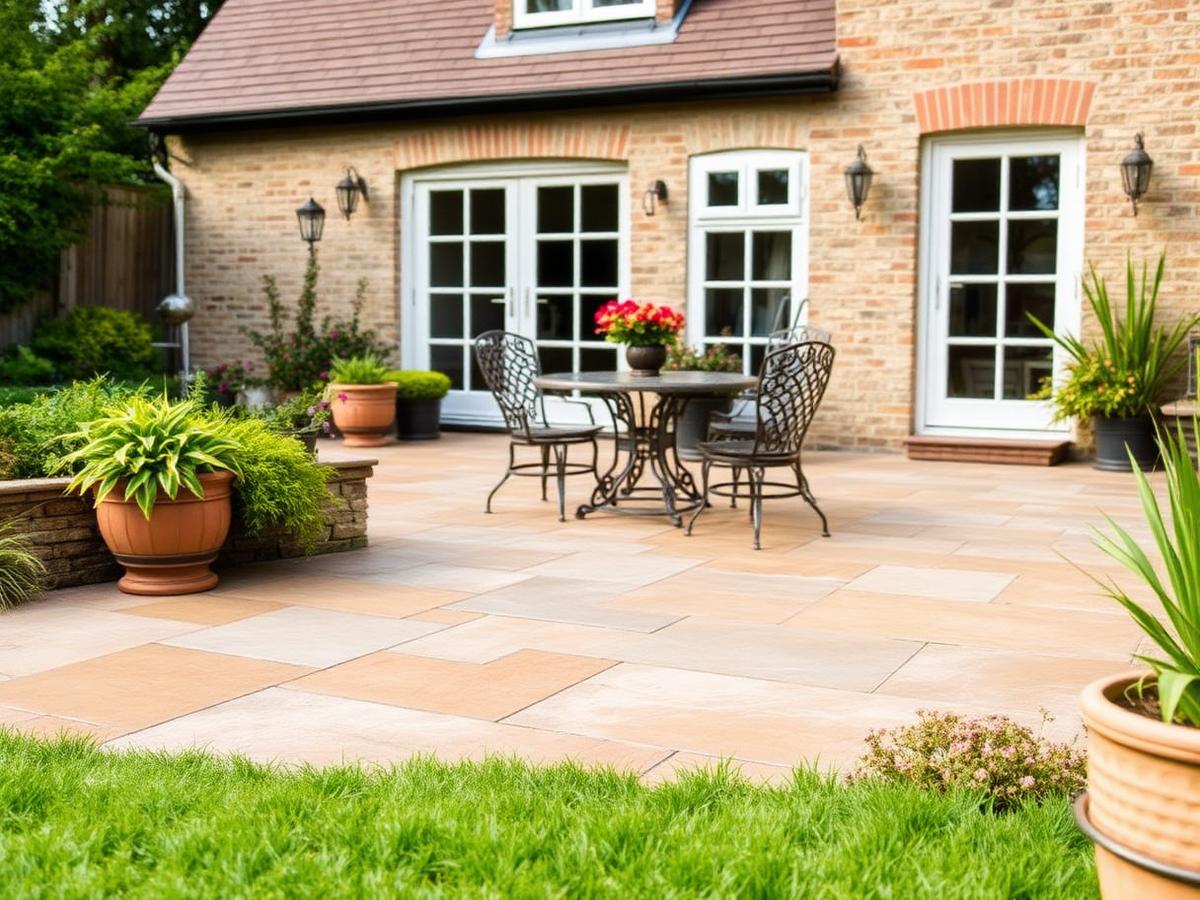
Edwardian semi render and roof-adjacent paving in Roundhay
Roundhay's Edwardian semis sit close enough to the park that overhanging trees keep front paths and lower render permanently shaded through autumn and winter. That shade, combined with painted or pebbledash-finished walls, produces green algae streaks running down from window sills and gutters far faster than on an exposed new build.
Painted render and shaded paths near Roundhay Park
Roundhay's Edwardian semis sit close enough to the park that overhanging trees keep front paths and lower render permanently shaded through autumn and winter. That shade, combined with painted or pebbledash-finished walls, produces green algae streaks running down from window sills and gutters far faster than on an exposed new build.
Many of these houses still carry their original bay windows and decorative brickwork banding, features that a pressure lance would happily strip paint or mortar from. The render itself is often a lime-based or early cement-based coating applied decades ago, which softens and can blister if blasted directly.
Front paths here tend to run alongside a low garden wall shared visually with the street, so streaking on that wall is often as visible to passers-by as the render itself, which is usually what prompts the enquiry.
How a soft wash actually runs on this kind of house
- Step 1
Low-pressure application
Biocide is applied at low pressure from ground level or a pole system, never blasted directly at the render surface.
- Step 2
Dwell time on site
Treatment is left to work into algae and lichen for the period the product needs, rather than rinsed off early to save time.
- Step 3
Gentle rinse-down
A final low-pressure rinse clears residue without disturbing render, paint or nearby planting.
Reading the render before wetting anything
Render type check
We identify whether the coating is lime-based, pebbledash or painted cement render, since each takes biocide and dwell time differently.
Algae growth pattern
Streak direction and density below sills and gutters tell us where water is actually running off the roofline, guiding where treatment concentrates.
Paint condition
Flaking or chalky paintwork is noted before treatment, since a soft wash can lift already-failing paint that pressure never touched.
What affects timing and results here
Before we start
- Shaded, tree-lined streets regrow algae faster than open aspects
- Painted render can be more fragile than it looks — testing matters
- On-street parking near school run times can limit access windows
Once it's done
- Path and low wall streaking often reappear before the main render does
- Results improve gradually over days as biocide keeps working after the visit
Getting kit in, getting water away
Most properties have a shared or single-width path from the pavement gate to the front door, with a side gate to the rear garden. Parking is generally on-street, sometimes limited during school pick-up on roads feeding toward Elmete and the park gates, so we plan arrival outside those windows where we can.
Soft-wash chemical runs down render and onto the path below, from where it typically reaches a road gully rather than a private soakaway. Because these are residential streets with pedestrians passing close to the wall line, dilution rates and application timing are set to avoid any run-off reaching the pavement wet and slippery.
- Local authority
- Leeds City Council
- County
- West Yorkshire
- Main route in
- M621 / A61
- Nearest city
- Bradford — 9 miles
- Typical surfaces
- block paving and imprinted concrete drives
- Common property stock
- red-brick back-to-back, Edwardian semi, high-spec new build
Compare this with our pressure-washing approach for harder terrace surfaces elsewhere in Leeds.
Scope agreed before anything is switched on
- We survey the surface first and say plainly if soft washing is the wrong call for it.
- Scope is written down, so you can see exactly what is and isn't included.
- Where a stain or defect won't fully clear, we say so before you book.
Questions Roundhay homeowners ask
Why not just pressure wash the render?+
Direct pressure can strip old paint and soften original lime render, so a lower-pressure soft wash with biocide is the safer route here.
How long until the green streaks are gone?+
Algae often keeps fading for several days after treatment as the biocide continues working, rather than disappearing instantly on the day.
Will it harm my garden plants?+
Beds close to the wall are covered or rinsed separately, and product choice accounts for nearby planting.
Does the shade mean it'll just come back quickly?+
Shaded walls do regrow algae faster than sunny ones, which is why some owners choose a periodic revisit rather than a one-off.
For render and pathways near Roundhay Park showing green streaking, contact us and we'll assess the coating type before recommending a soft wash.
The short version
Soft washing suits Roundhay's shaded Edwardian render better than pressure, protecting old paint and lime coatings while clearing algae.