
Steam Cleaning for Delicate Stone Near Pudsey Market
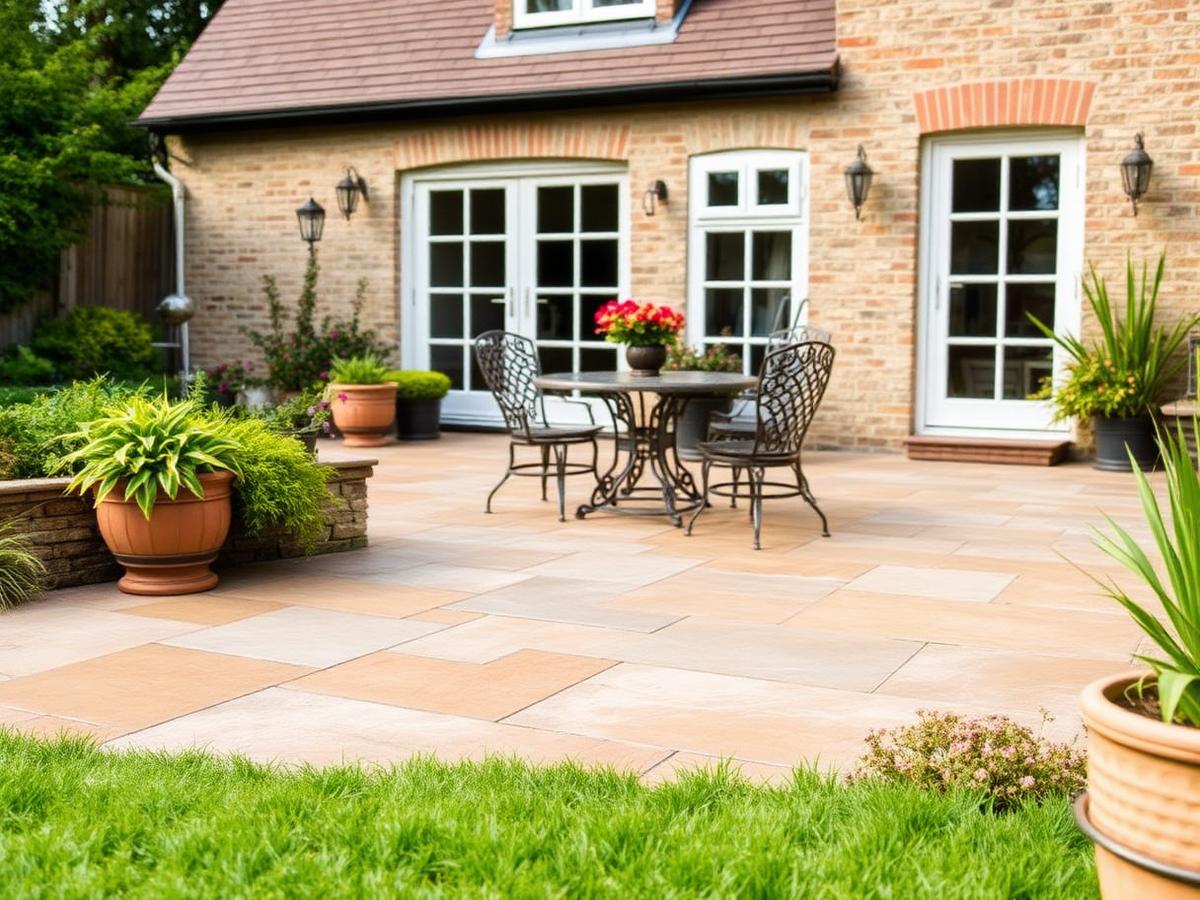
Sandstone-edged path outside a listed-adjacent property near Pudsey market
Properties bordering Pudsey market and the older streets nearby often have original sandstone paths and steps that predate the surrounding buildings, worn smooth in places by decades of foot traffic and softened at the edges in a way that makes them more vulnerable to aggressive cleaning methods than a modern slab.
How the steam cleaning visit is carried out
- Step 1
Apply low-moisture steam in controlled sections
Steam is worked across small sections at a time rather than the whole path at once, keeping the process controlled on delicate stone.
- Step 2
Allow heat to loosen grime before agitation
A brief dwell period lets the heat soften ingrained dirt before any hand agitation is used.
- Step 3
Hand-finish worn or repaired areas separately
Sections identified as worn or patched are finished by hand rather than with the same steam settings as the rest of the path.
Stone that's older than the buildings around it
Properties bordering Pudsey market and the older streets nearby often have original sandstone paths and steps that predate the surrounding buildings, worn smooth in places by decades of foot traffic and softened at the edges in a way that makes them more vulnerable to aggressive cleaning methods than a modern slab.
Steam cleaning suits this stone because it lifts grime through heat rather than mechanical force, which matters where the surface has already worn thin or where fine tooling marks on older flags would be scoured away by a hard jet.
Being close to the market also means these paths see a mix of foot traffic, market-day spillage and general street grime that builds a stubborn surface layer without necessarily being deeply ingrained.
What to keep in mind before booking
Before we start
- Steam cleaning uses far less water than pressure methods, useful where drainage is limited
- Best suited to stone too worn or delicate for a pressure lance
- Market days may affect scheduling if the path sees heavy footfall
Once it's done
- Sections used as sole access routes are cleaned in stages to stay passable
- Worn tooling marks won't be restored by cleaning, only the grime around them removed
Getting kit in, getting water away
Paths near the market often run directly alongside a public pavement or shared access to neighbouring units, so timing around market days and footfall is part of planning the visit. Where a path serves as the only route to a front door, we work in sections to keep it passable throughout.
Steam cleaning produces far less run-off than pressure or hot water methods, which suits paths here that often drain directly onto the public highway with no private gulley, since there's simply less water needing to go anywhere.
- Typical surfaces
- Yorkshire stone flags and mid-tone block paving
- Common property stock
- stone terrace, back-to-back, 1960s estate home
- Nearest commercial hub
- Pudsey market and Owlcotes retail park
- Area type
- suburb
- Postcode district
- LS28
- Local authority
- Leeds City Council
Scope agreed before anything is switched on
- We survey the surface first and say plainly if steam cleaning is the wrong call for it.
- Scope is written down, so you can see exactly what is and isn't included.
- Where a stain or defect won't fully clear, we say so before you book.
Checking how far the stone can be pushed
Assess surface wear and tooling
We check how worn the stone's original tooling marks are, since heavily worn areas need a gentler approach than crisper, newer sections.
Check for existing repairs or patching
Any repaired sections are noted separately, as patch material can react differently to heat than the original stone.
Review foot traffic patterns
We note which parts of the path see heaviest daily use, since these areas often carry the most compacted grime.
Browse other methods suited to older stone surfaces around central Pudsey.
Steam cleaning questions near the market area
Is steam cleaning gentler than pressure washing for old stone?+
Yes, it relies on heat rather than mechanical force, which suits stone that's already worn or softened at the edges.
Will you need to close off my path while working?+
We work in sections so the path stays usable, particularly where it's the only route to a front door.
Does steam cleaning use a lot of water?+
No, it uses considerably less water than pressure or hot water methods, which helps where there's no private drain nearby.
Can steam cleaning fix worn or smooth patches in the stone?+
No, cleaning removes surface grime but won't restore worn tooling marks; that's a separate repair consideration.
The short version
Steam cleaning lifts grime from delicate, worn sandstone near Pudsey market without the risk a pressure lance carries.