
Block Paving Sealing on Otley's New-Build Estates
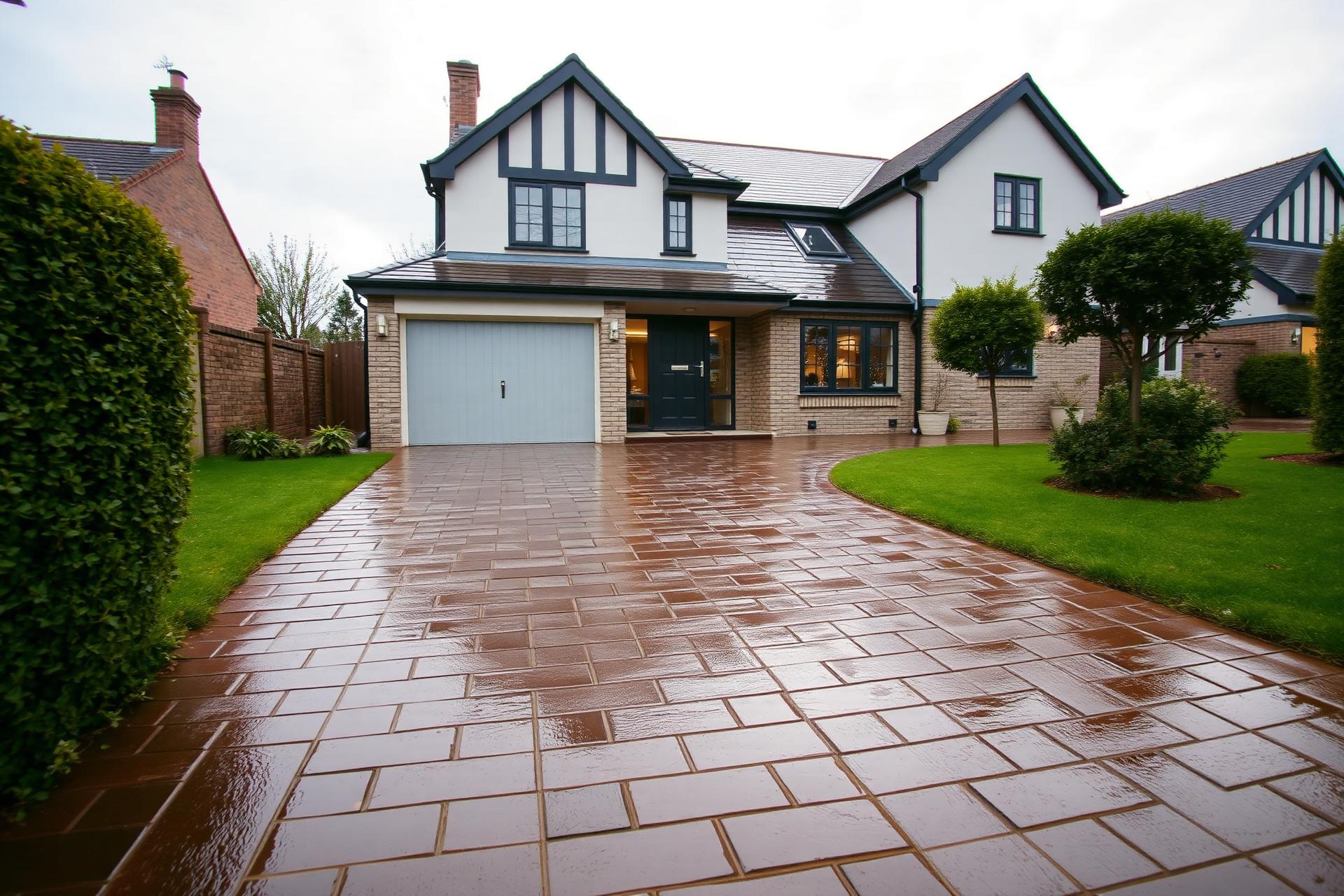
New-build cul-de-sac block paving needing joint stabilisation before winter
Once a block-paved driveway on one of Otley's newer estates off the A659 has had a couple of years of settling and use, the jointing sand starts to lose ground — washed down by rain, disturbed by tyres turning on the same spot, and gradually thinning at the edges. Sealing at this stage does more than improve appearance; it locks what jointing sand remains in place.
Why sealing matters more once a new drive settles in
Once a block-paved driveway on one of Otley's newer estates off the A659 has had a couple of years of settling and use, the jointing sand starts to lose ground — washed down by rain, disturbed by tyres turning on the same spot, and gradually thinning at the edges. Sealing at this stage does more than improve appearance; it locks what jointing sand remains in place.
These driveways see regular car movement rather than heavy commercial traffic, so the wear pattern is fairly predictable: entrance points and turning circles show the most joint disturbance, while the rest of the drive holds up better.
Because the estate is relatively exposed, without much tree cover to slow rainfall, run-off across an unsealed drive can be more forceful than on a sheltered older street, which is part of why sand loss shows up here sooner than owners expect.
Timing and aftercare notes
Before we start
- Vehicles must stay off the drive for the full curing period
- Best done in a dry, mild weather window
- Turning circles may need earlier resealing than the rest of the drive
Once it's done
- New sand should be swept level before sealing begins
- A satin finish is more common here than high-gloss on modern estates
How sealing is applied to a block-paved drive
- Step 1
Cleaning and full drying period
The drive is cleaned first and given time to dry completely, since sealant applied over damp blocks won't cure properly.
- Step 2
Sand replenishment before sealing
Any thin or bare joints are topped with fresh kiln-dried sand and worked in before sealant goes down.
- Step 3
Even application in manageable sections
Sealant is applied section by section across the drive to keep coverage consistent and avoid pooling at low points.
Getting kit in, getting water away
The whole driveway needs to be clear of vehicles for the full working period, including drying time, so residents are asked to arrange alternative parking on the street or a neighbouring bay for the day. Estate roads are usually wide enough for the van to sit directly outside.
Surface water on these estates drains to marked kerbside gullies, so sealant is applied in dry conditions with no rain forecast for several hours afterward, avoiding any risk of uncured product washing straight into the estate's drainage system.
- Common property stock
- Georgian stone frontage, riverside cottage, modern detached home
- Nearest commercial hub
- Otley Mills and Prince Henry's retail parade
- Area type
- market town
- Postcode district
- LS21
- Local authority
- Leeds City Council
- County
- West Yorkshire
What's assessed before sealing starts
Jointing sand loss at wear points
Turning circles and the entrance apron are checked closely since these lose sand fastest under regular tyre movement.
Surface moisture level
Blocks are tested for residual damp before sealing, since trapped moisture under a sealed surface can cause cloudiness.
Existing sealant, if any
A water-drop test shows whether a previous seal is still active, which affects whether a fresh coat will bond properly.
Scope agreed before anything is switched on
- We survey the surface first and say plainly if block paving sealing is the wrong call for it.
- Scope is written down, so you can see exactly what is and isn't included.
- Where a stain or defect won't fully clear, we say so before you book.
See how patio sealing differs for older stone flags elsewhere in Otley.
Questions from new-build owners about sealing
How long until we can park back on the drive?+
It depends on the product and weather, but the full curing window is confirmed with you before the day.
Does sealing stop the joints losing sand again?+
It significantly slows it by binding the sand in place, though high-wear turning points may need attention again sooner.
Can you seal a drive that already has some sand loss?+
Yes, the bare joints are topped up and compacted before sealant is applied.
Will sealing change how the driveway looks?+
It typically deepens the colour slightly and gives a light satin sheen rather than a dramatic change.
Summary
Sealing locks jointing sand in place before wear points on a new-build drive get any worse.