
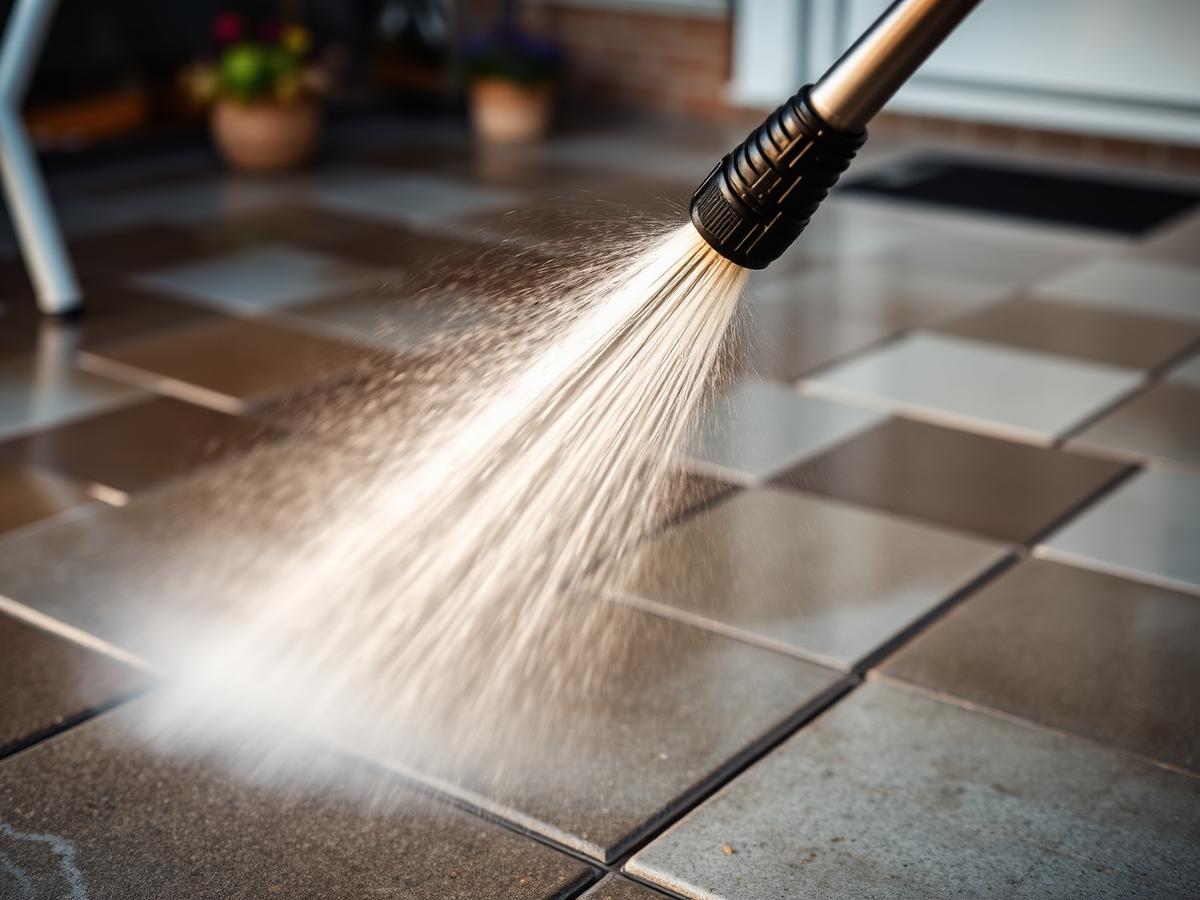
Colour-Enhancing Sealer for Ilkley Stone Ahead of Sale
Estate agent preparing a stone townhouse for sale wanting the facade and paths to present well
With Ilkley's property market including a steady turnover of Victorian townhouses and villa conversions, sellers and their agents are often looking at the exterior stonework with fresh eyes in the weeks before photography and viewings, and a path or patio that's dulled to grey over the years can undersell a property compared to how it looked when new. Colour-enhancing sealer brings out the natural tone in the stone rather than adding an artificial gloss, which matters for a period property where an overly shiny finish would look wrong.
Why colour enhancement matters most when a property is going to market
With Ilkley's property market including a steady turnover of Victorian townhouses and villa conversions, sellers and their agents are often looking at the exterior stonework with fresh eyes in the weeks before photography and viewings, and a path or patio that's dulled to grey over the years can undersell a property compared to how it looked when new. Colour-enhancing sealer brings out the natural tone in the stone rather than adding an artificial gloss, which matters for a period property where an overly shiny finish would look wrong.
Reclaimed York stone and honey-toned setts, common across the town's older streets, typically have a warmer tone underneath years of weathering than the current grey surface suggests, and colour-enhancing products work by saturating that existing colour rather than layering a coating on top of it.
Timing around a sale means this work often has a firmer deadline than a routine maintenance job, since photography dates and viewing schedules are usually fixed well in advance, so the weather window has to be planned around rather than left open-ended.
Getting kit in, getting water away
Properties preparing for sale are often still occupied and sometimes staged for viewings, so access is arranged around any scheduled viewings or photography appointments rather than treated as an open-ended booking.
Standard drainage considerations apply to whichever surface is being treated, but with a sale deadline in mind, we're also mindful of choosing a dry period that allows full cure time before any photography, since a still-curing surface can look different in photographs than once fully set.
- Local authority
- City of Bradford MDC
- County
- West Yorkshire
- Main route in
- A65
- Nearest city
- Bradford — 12 miles
- Typical surfaces
- reclaimed York stone and honey-toned setts
- Common property stock
- Victorian villa, stone-built townhouse, moorland detached home
Timing considerations around a sale
Before we start
- Enhancement works best on a fully clean, dry surface rather than over existing dirt.
- A test patch shows the realistic result before the whole area is treated.
- Full cure time should be allowed before photography or viewings.
Once it's done
- Weather delays should be planned for given fixed sale deadlines.
- A period property generally suits a natural tone enhancement over a high-gloss finish.
What we check before choosing a colour-enhancing product
Testing how the stone's colour responds to enhancement
A small test patch shows how much depth of tone the product brings out on that specific stone, since results vary depending on how weathered the surface currently is.
Checking the surface is fully clean before enhancement
Any residual dirt, algae or old sealer needs removing first, since enhancement applied over a dirty surface locks in that dirt under the finish.
Confirming the timeline against photography and viewing dates
We check what dates the work needs to be finished by and build in enough buffer for full cure time before those dates rather than cutting it close.
How the application is carried out
- Step 1
Cleaning thoroughly ahead of enhancement
The full area is cleaned and given time to dry completely, since any residual moisture or dirt affects how evenly the colour-enhancing product takes.
- Step 2
Applying in a test area first
A discreet section is treated first so the level of colour change can be reviewed before committing to the whole path or patio.
- Step 3
Scheduling around the sale deadline with buffer time
Application is timed to allow full cure before any confirmed photography or viewing date, with a margin built in for weather delays.
Patio sealing and sandstone sealing pair well with colour enhancement depending on the surface being prepared.
Questions about colour-enhancing sealer
Will colour-enhancing sealer make my Victorian path look artificial for photos?+
It's designed to bring out the stone's existing tone rather than add an artificial gloss, so a period property should still look natural rather than obviously treated.
How far in advance of viewings should this be done?+
We'd recommend building in a buffer beyond the minimum cure time in case of weather delays, so the work isn't finished right up against your photography or viewing date.
Does the whole path need doing, or just the visible section from the street?+
That depends on what's being photographed and viewed, but we'd generally recommend treating the whole connected area rather than leaving an obvious line partway along.
Will this cover up patchy staining rather than just enhance colour?+
It enhances the stone's existing tone rather than masking staining, so any significant staining is better addressed with cleaning first, before enhancement is applied.
Scope agreed before anything is switched on
- We survey the surface first and say plainly if colour-enhancing sealer is the wrong call for it.
- Scope is written down, so you can see exactly what is and isn't included.
- Where a stain or defect won't fully clear, we say so before you book.
The short version
Colour-enhancing sealer ahead of a sale needs planning around photography and viewing deadlines, with cleaning and a test patch done first.