
Imprinted Concrete Sealing on Guiseley's A65 Cul-de-Sacs
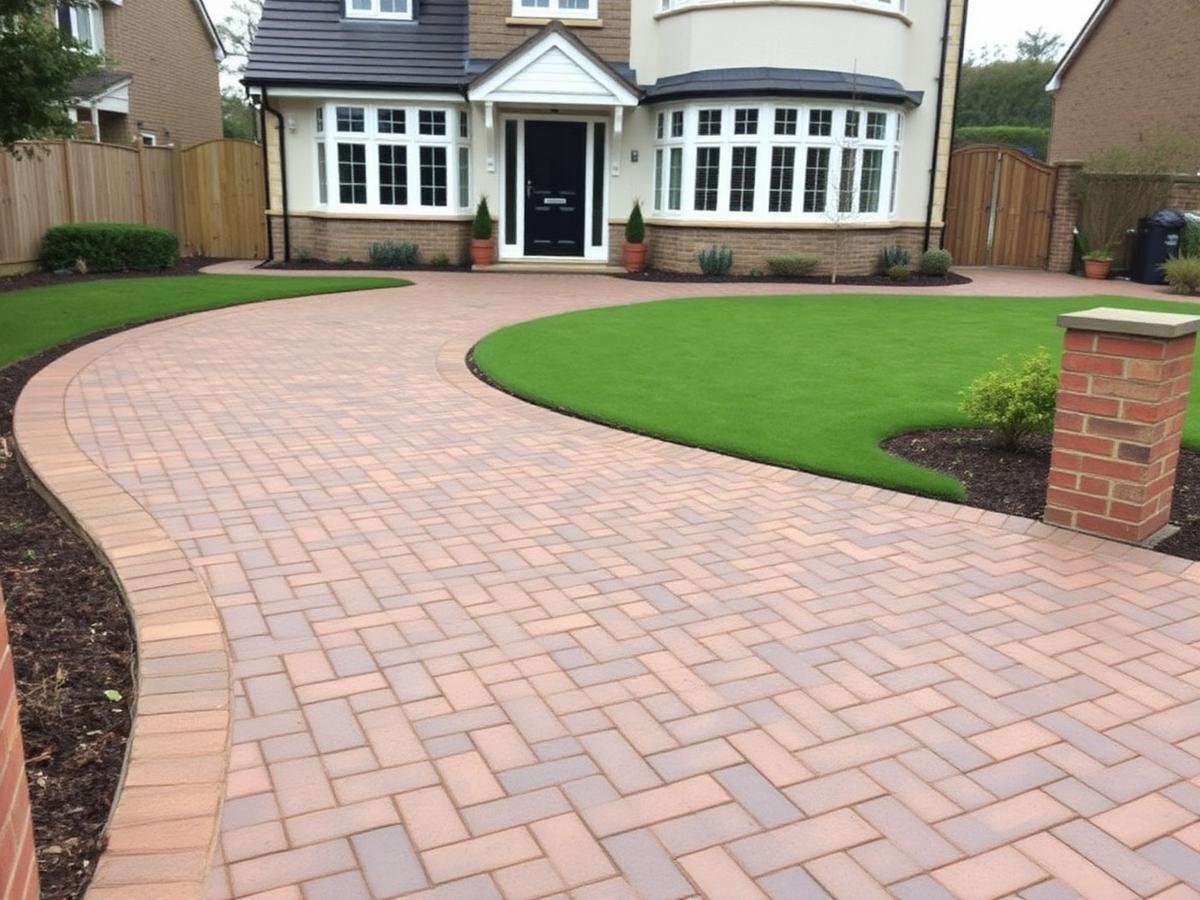
Modern cul-de-sac drive off the A65 with a patterned imprinted concrete apron
The modern cul-de-sacs built off the A65 through Guiseley favour imprinted concrete for driveways over traditional block paving, valued for the stamped pattern that mimics stone or brick at a fraction of the laying time. That original sealed finish is what gives the pattern its colour depth, but proximity to the A65 means these drives take a steady dusting of road grime that dulls the sealant coat faster than it would on a quieter side street.
Why imprinted concrete near the A65 needs regular sealing
The modern cul-de-sacs built off the A65 through Guiseley favour imprinted concrete for driveways over traditional block paving, valued for the stamped pattern that mimics stone or brick at a fraction of the laying time. That original sealed finish is what gives the pattern its colour depth, but proximity to the A65 means these drives take a steady dusting of road grime that dulls the sealant coat faster than it would on a quieter side street.
Once the factory or original installer's sealant starts wearing thin, usually visible as a chalky, faded patch in the areas that see the most vehicle turning, the underlying concrete becomes exposed to staining that's much harder to reverse than simply refreshing the sealant while it's still mostly intact.
Resealing at the right point, rather than waiting until the pattern colour has visibly gone, is the difference between a straightforward maintenance job and a much bigger restoration task.
What we check on a patterned concrete drive
Sealant wear pattern
We map where the sealant has worn thinnest, usually the turning circle near the garage, since this tells us how much of the drive needs full resealing versus a lighter top-up.
Colour fade in the pattern
Fade is checked against less-exposed edges of the drive to judge whether a standard clear sealer will restore colour or whether a colour-enhancing product is needed.
Surface contamination beneath old sealant
Grime that's worked into the concrete through worn sealant patches is identified, since this needs proper cleaning before new sealant is applied over it.
Getting kit in, getting water away
These cul-de-sac drives are generally wide and easy to access, built to modern standards with clear kerb lines, though shared visitor parking bays on some closes mean we occasionally coordinate timing with neighbours during the drive's closure for sealing and curing.
New-build drainage systems here are typically designed to current regulations with a dedicated soakaway, and we schedule sealing around dry weather windows to protect that system from an uneven wash of product before the sealer has properly cured.
- Postcode district
- LS20
- Local authority
- Leeds City Council
- County
- West Yorkshire
- Main route in
- A65
- Nearest city
- Leeds — 9 miles
- Typical surfaces
- block paving and imprinted concrete drives
What affects how the reseal turns out
Before we start
- Resealing before the pattern colour has visibly gone is considerably easier than restoring a drive that's already badly faded.
- Dry, mild weather gives the most even cure; resealing in damp or cold conditions risks a patchy finish.
- Vehicles need to stay off the drive for the full cure window, so plan alternative parking for the day.
Once it's done
- A colour-enhancing sealer can restore visual depth to a pattern that's faded, beyond what a standard clear coat achieves.
- Road-facing drives near the A65 may need resealing sooner than quieter interior cul-de-sac plots.
How resealing restores the original finish
- Step 1
Full clean to bare, contaminant-free concrete
Before resealing, the surface is cleaned thoroughly so old, degraded sealant and trapped grime don't get sealed in under the new coat.
- Step 2
Even sealant reapplication
New sealant is applied in controlled sections to avoid overlap lines, working from the far corner of the drive back toward the road.
- Step 3
Cure time management
The drive is kept clear of vehicles for the manufacturer's recommended period, adjusted for the day's actual temperature and humidity rather than a fixed generic timeframe.
Scope agreed before anything is switched on
- We survey the surface first and say plainly if imprinted concrete sealing is the wrong call for it.
- Scope is written down, so you can see exactly what is and isn't included.
- Where a stain or defect won't fully clear, we say so before you book.
Questions about sealing imprinted concrete drives
How do I know if my imprinted concrete needs resealing?+
A chalky, faded look to the pattern, especially where cars turn most, is the clearest sign the original sealant has worn through and needs refreshing.
Can resealing bring back the original colour?+
A standard clear sealer restores depth to colour that's only lightly faded; for more significant fade, a colour-enhancing sealer gives a more noticeable improvement.
How often does a drive near the A65 need resealing?+
Road-facing drives with heavier grime exposure typically need attention sooner than an interior cul-de-sac plot, though exact timing depends on traffic and sun exposure too.
Will the reseal look uneven if only part of the drive has worn?+
We reseal the full surface rather than patching a section, which avoids any visible join between old and new sealant.
See our rotary surface cleaning service, which usually precedes resealing on imprinted concrete around Guiseley.
If your imprinted concrete drive near the A65 is looking chalky or faded, get in touch about resealing before it needs a full restoration.
In brief
Timely resealing keeps Guiseley's imprinted concrete drives near the A65 protected before road grime and fade take proper hold.