
Patio Sealing for Rear Gardens Backing the Allotments in Horsforth
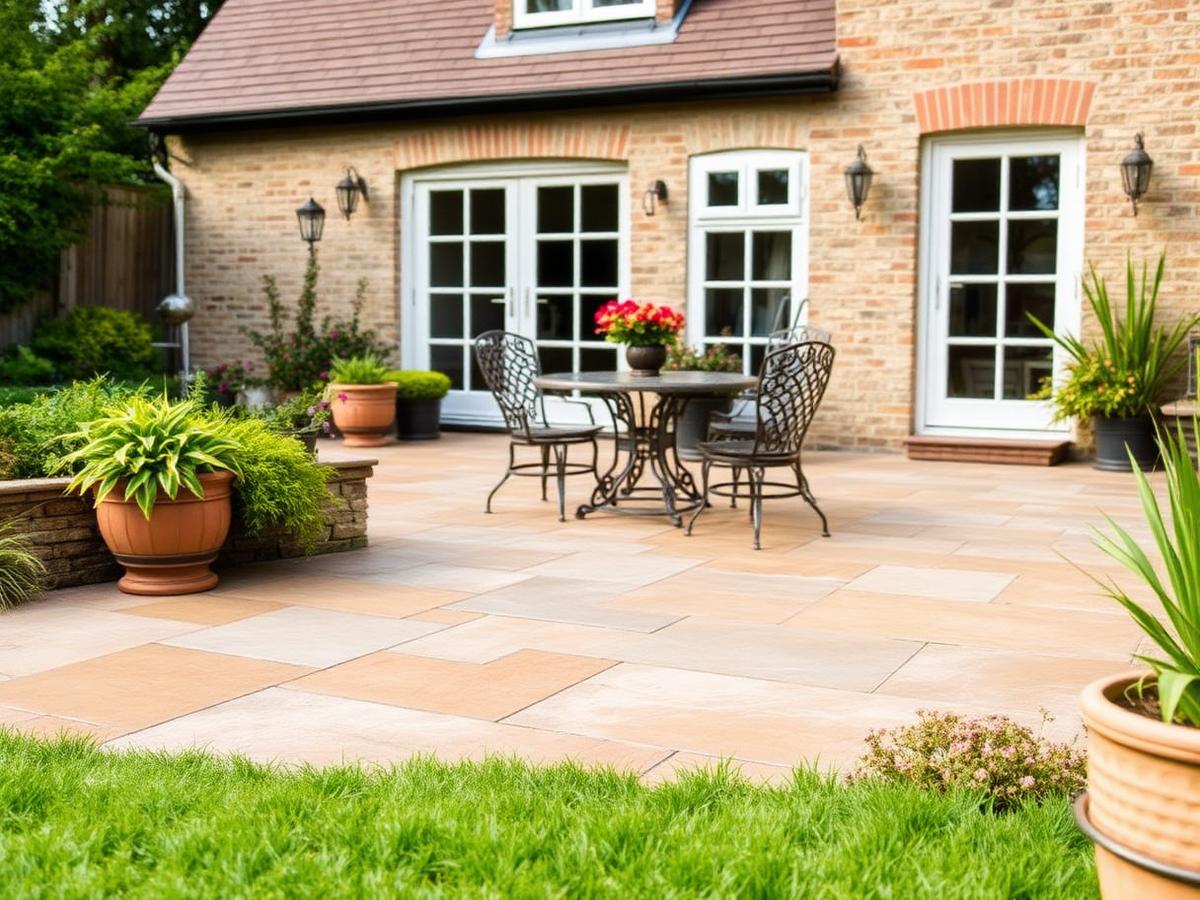
Rear patio on a period semi backing onto allotments near the border
A number of period semis toward the edge of Horsforth back directly onto allotment land, which means rear patios here take a slightly different kind of punishment to a typical suburban garden: soil splash-back during heavy rain, compost dust drifting on the wind, and bird activity drawn by nearby vegetable beds.
Why patios backing the allotments stain differently
A number of period semis toward the edge of Horsforth back directly onto allotment land, which means rear patios here take a slightly different kind of punishment to a typical suburban garden: soil splash-back during heavy rain, compost dust drifting on the wind, and bird activity drawn by nearby vegetable beds.
These patios are often laid in concrete or riven flag paving, sometimes decades old, and while the material itself holds up well, the organic staining from soil and bird droppings sinks into unsealed stone far more readily than general garden grime does.
Because these gardens are used for sitting out through summer, owners are usually less tolerant of a patio that looks tired by August than they are of a driveway they barely notice day to day.
Sealing a rear patio in this setting
- Step 1
Deep clean before sealing
The patio gets a full clean to lift existing organic staining first, since sealing traps whatever is on the surface at the time of application.
- Step 2
Pointing check and repair note
Any pointing needing attention is flagged to the homeowner, since sealing works best on a patio with sound joints rather than ones already failing.
- Step 3
Sealer application by zone
The side facing the allotments and prevailing weather gets particular attention during application, working methodically so coverage is even across the whole patio.
What we look at before sealing a patio here
Organic staining depth
We check how far soil and organic staining has penetrated the flag surface, since older, more porous staining may need a stronger clean before sealing will hold properly.
Flag joint and pointing condition
Loose or crumbling pointing between flags is identified, since sealing over failing joints doesn't stop the underlying movement causing further staining routes.
Prevailing wind and splash zone
We note which side of the patio faces the allotments and prevailing wind, since that side typically needs a slightly heavier sealer coat given repeated exposure.
What to plan for with this job
Before we start
- Bird activity near allotments means occasional re-treatment of localised staining may still be needed
- A dry, mild spell suits sealing best, avoiding both frost and high humidity
- Garden furniture should stay off the patio until the sealer has fully cured
Once it's done
- Splash-back staining tends to concentrate on the boundary-facing edge, which may need closer attention
- Sealing improves resistance to organic staining but doesn't eliminate the need for occasional sweeping
Getting kit in, getting water away
Access is typically through a side gate rather than the house itself, so we confirm gate width and any narrow passageways can take our equipment before booking. Garden furniture, planters and any raised beds close to the patio edge are moved or covered as part of preparing the space.
Rear gardens here usually rely on a soakaway or a simple gravel margin rather than a formal drain, so we keep sealer application controlled to avoid excess product running into lawn or border areas at the patio's edge, particularly where the patio sits slightly higher than surrounding soil.
- Nearest commercial hub
- Horsforth Town Street and Kirkstall Bridge retail
- Area type
- suburb
- Postcode district
- LS18
- Local authority
- Leeds City Council
- County
- West Yorkshire
- Main route in
- A65 / Leeds Ring Road A6120
For the pointing itself, see our patio-adjacent process notes, or view sandstone sealing for a natural-stone equivalent.
Scope agreed before anything is switched on
- We survey the surface first and say plainly if patio sealing is the wrong call for it.
- Scope is written down, so you can see exactly what is and isn't included.
- Where a stain or defect won't fully clear, we say so before you book.
Questions from gardens near the allotments
Does backing onto the allotments really make a difference to how the patio stains?+
Yes, soil splash-back and organic matter drifting from cultivated land nearby settles into unsealed stone more than typical garden dust would.
How long will the sealer protect against this kind of staining?+
Coverage varies with exposure, but a patio facing the allotment boundary may need a lighter refresh sooner than a more sheltered side of the same garden.
Can you seal around raised beds and a greenhouse close to the patio edge?+
Yes, we work carefully around fixed garden features, masking or avoiding overspray onto anything close to the treated area.
Will sealing stop bird droppings staining the flags?+
It reduces how deeply staining sets and makes it easier to clean off, though it won't prevent birds landing on the patio in the first place.
If your patio backing the allotments is holding soil and organic staining, get in touch and we'll look at cleaning and sealing options.
Short version
Patios backing onto allotment land near Horsforth's edge need sealing to resist organic staining from soil splash-back and birds.