
Patio Sealing for Mature Rawdon Gardens
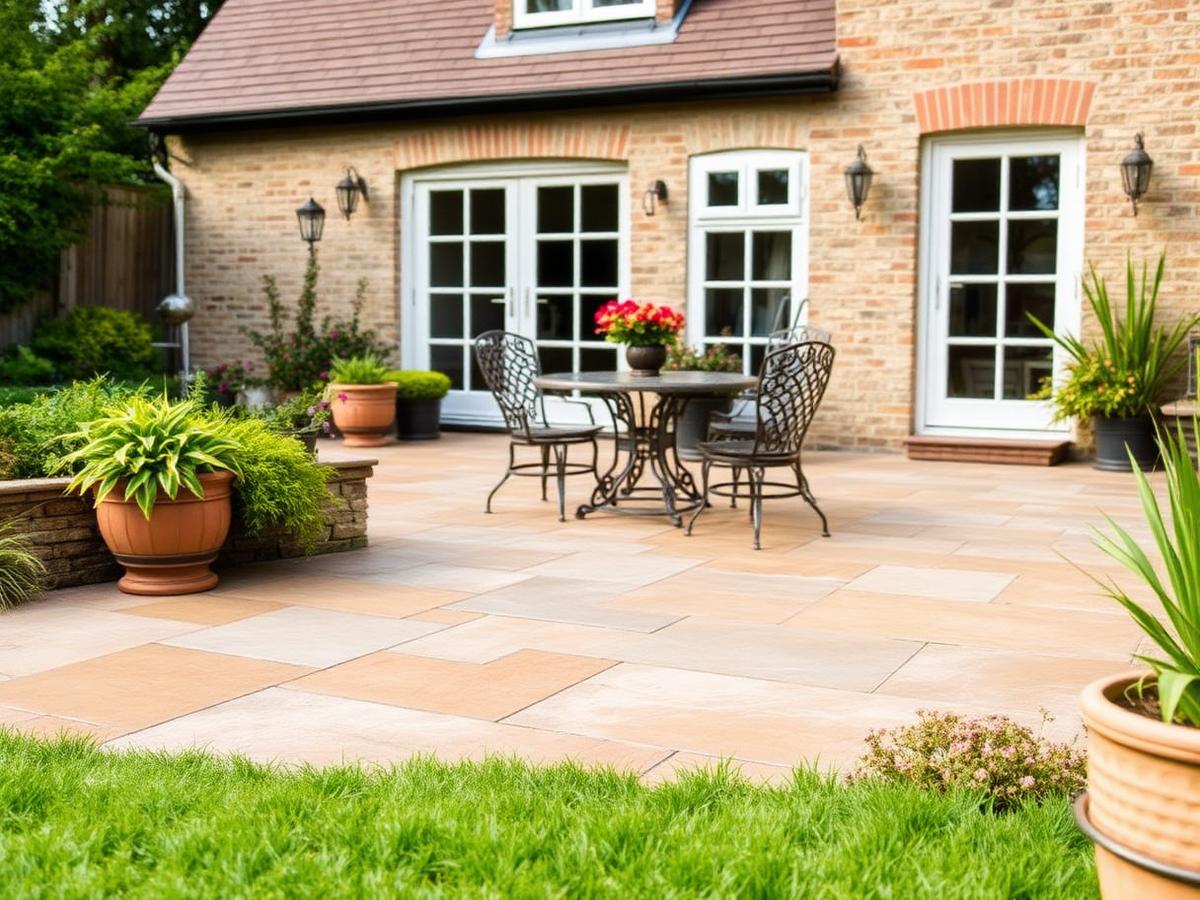
Sandstone patio in a mature garden behind a 1930s detached house
The rear gardens behind Rawdon's 1930s detached houses have had decades to grow mature trees and shrub borders, which makes for an attractive setting but means sandstone patios sit under a steady drip of sap, pollen and organic debris for most of the year. Sealing gives that porous stone a protective layer so these substances sit on the surface rather than soaking in and staining permanently.
Why mature garden patios need sealing here
The rear gardens behind Rawdon's 1930s detached houses have had decades to grow mature trees and shrub borders, which makes for an attractive setting but means sandstone patios sit under a steady drip of sap, pollen and organic debris for most of the year. Sealing gives that porous stone a protective layer so these substances sit on the surface rather than soaking in and staining permanently.
Because these patios often catch the last of the day's sun in a way the front driveway doesn't, they're used heavily through summer evenings, meaning the surface takes wear from garden furniture and foot traffic on top of the environmental staining, both of which a sealed finish handles better than bare stone.
The tannin from overhanging trees, common on these older plots, produces a specific brownish discolouration that ordinary cleaning struggles to fully lift once it's set into unsealed sandstone, which is really the main argument for sealing proactively rather than waiting for staining to appear.
How sealing is carried out
- Step 1
Deep clean before sealing
The patio is thoroughly cleaned first, removing existing sap and tannin marks so sealing starts from a genuinely clean surface.
- Step 2
Controlled sealant coverage
Sealant is worked across the stone in manageable sections to keep an even finish across the whole patio.
- Step 3
Furniture-area finishing
Areas previously covered by furniture are sealed last, once items are moved back to reveal the full surface.
What we assess before sealing
Sap and tannin staining check
We identify existing staining from overhanging trees so it can be addressed in the clean before sealing locks anything in.
Stone porosity test
Sandstone porosity varies by batch and age, which affects how much sealant the surface will absorb.
Furniture and planter footprint
We map where furniture sits, since areas covered during sealing need separate treatment once cleared.
Points to plan for
Before we start
- Sealing works best applied after a full clean, not over existing staining.
- Settled dry weather is needed for the sealant to cure properly outdoors.
- Furniture and planters need moving clear before and during application.
Once it's done
- Overhanging trees mean this treatment is worth repeating periodically.
- Newly sealed stone may look temporarily different in tone until fully cured.
Getting kit in, getting water away
Garden patios are usually reached through a side gate or across a lawn rather than directly from the driveway, so equipment is carried through in stages, and we protect any lawn edge the route crosses. Garden furniture and planters on the patio itself need moving clear before sealing can begin.
Patios in these mature gardens typically drain onto adjacent lawn or border rather than into a formal gully, so we check the surface is properly dry right through before sealing and time the visit around settled weather to avoid moisture being trapped under a fresh seal.
- Nearest commercial hub
- Rawdon Micklefield and Yeadon retail
- Area type
- suburb
- Postcode district
- LS19
- Local authority
- Leeds City Council
- County
- West Yorkshire
- Main route in
- A658
Pair this with our sandstone sealing page for stone-specific detail, or see biocide treatment for shaded algae issues.
Scope agreed before anything is switched on
- We survey the surface first and say plainly if patio sealing is the wrong call for it.
- Scope is written down, so you can see exactly what is and isn't included.
- Where a stain or defect won't fully clear, we say so before you book.
Patio sealing questions
Will sealing remove the brown staining already on my patio?+
We clean and treat existing staining before sealing, since sealant should go onto a genuinely clean surface rather than lock stains in.
How soon can I put my garden furniture back?+
We'll confirm the curing time for the specific sealant used, and furniture areas are finished last so nothing sits on wet sealant.
Does sealing stop tree sap marking the patio again?+
It makes sap sit on the surface rather than soak in, so it's much easier to clean off rather than becoming permanent.
How often should a garden patio be resealed?+
Patios under mature trees generally need resealing sooner than more open, less shaded surfaces.
If tree sap and tannin are staining your garden patio, contact us to discuss a clean-and-seal visit before the next growing season.
Wrap-up
Proactive sealing protects Rawdon's mature garden sandstone patios from sap and tannin staining that's hard to remove once set in.