
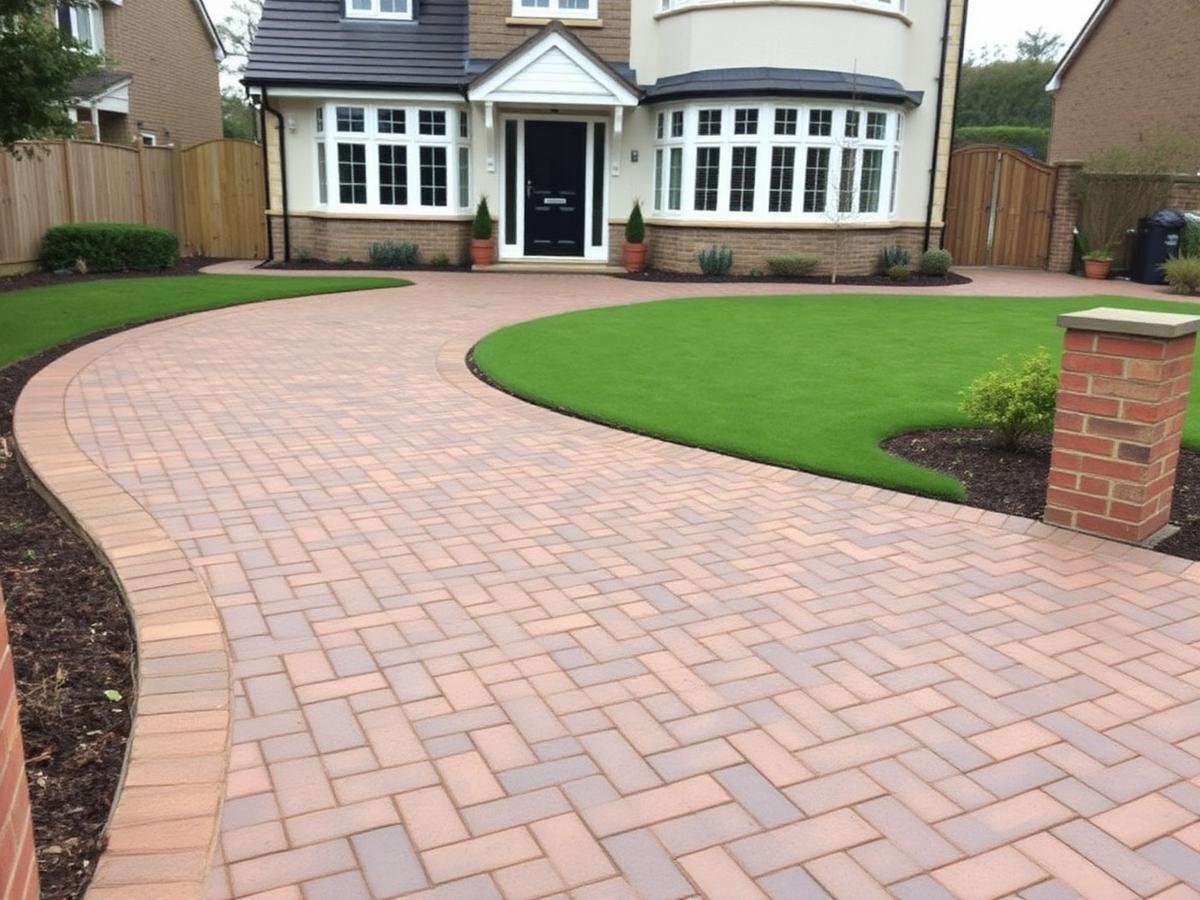
Courtyard Cleaning for Barn Conversions Near Pontefract
Converted barn property with a mixed-surface courtyard
Barn and farmhouse conversions on the rural fringes around Pontefract often keep the working courtyard layout of the original farm, which usually means a mix of surfaces rather than one uniform driveway. Old stone setts near the original barn doors sit alongside newer gravel or block-paved sections added when the property was converted, each ageing and weathering at a different rate.
Converted barns with courtyards built for a different era
Barn and farmhouse conversions on the rural fringes around Pontefract often keep the working courtyard layout of the original farm, which usually means a mix of surfaces rather than one uniform driveway. Old stone setts near the original barn doors sit alongside newer gravel or block-paved sections added when the property was converted, each ageing and weathering at a different rate.
These courtyards are typically more exposed than a town garden, sitting in open countryside with less shelter from wind-driven rain and more direct exposure to agricultural dust drifting from neighbouring fields during harvest and ploughing seasons. That exposure means algae and general grime build differently across the courtyard depending on which way each surface faces and how sheltered it is by the surrounding barn structures.
Because these properties often converted outbuildings into garaging or utility space, the courtyard also has to function for vehicle access, deliveries and general rural life, not just as an attractive frontage.
Working a mixed-surface rural courtyard
- Step 1
Zone-by-zone surface treatment
Each surface type in the courtyard is treated with methods suited to it rather than one blanket approach across the whole space.
- Step 2
Route planning around barn structures
Equipment access is planned around original doorways and archways that limit where machinery can pass.
- Step 3
Drainage channel clearance
Original stone channels are checked and cleared of debris as part of the visit, not left for water to find its own way.
Reading a courtyard with several surface types
Surface type mapping
We identify which sections are original stone sett, gravel or newer block paving, since each needs different treatment.
Exposure and shelter variation
We note which parts of the courtyard get more wind and rain exposure versus shelter from barn walls, as this affects where growth concentrates.
Original drainage channel condition
We check whether old stone drainage channels are still functioning or have become partially blocked over the years.
What rural conversions need that estates don't
Before we start
- Mixed surfaces need different treatment zones rather than one setting for the whole courtyard.
- Agricultural dust from neighbouring fields can mean grime returns faster in harvest season.
- Original stone archways may restrict equipment access to some areas.
Once it's done
- Older drainage channels need checking as part of any cleaning visit.
- Aftercare: sheltered sections behind barn walls may need attention again sooner than exposed areas.
Getting kit in, getting water away
Courtyards are usually large enough for vehicle access from more than one direction, but original barn doorways and stone archways can restrict how equipment reaches certain sections, so we walk the site first to plan a practical route rather than assuming open access throughout.
Mixed-surface courtyards often combine an original stone drainage channel with newer soakaway provision added during conversion, so we identify both before cleaning to make sure older channels aren't blocked by debris pushed toward them.
- Nearest city
- Wakefield — 8 miles
- Typical surfaces
- sandstone flags and clay-red block paving
- Common property stock
- stone terrace, post-war semi, modern estate home
- Nearest commercial hub
- Pontefract Market Place and Pontefract Park retail
- Area type
- market town
- Postcode district
- WF8
See rural-suited methods like biocide treatment elsewhere on the Pontefract pages.
Scope agreed before anything is switched on
- We survey the surface first and say plainly if farmhouses & barn conversions is the wrong call for it.
- Scope is written down, so you can see exactly what is and isn't included.
- Where a stain or defect won't fully clear, we say so before you book.
Barn conversion courtyard questions
Can you clean a courtyard with several different surface types in one visit?+
Yes, we treat each surface zone according to what it needs rather than applying one method across everything.
Why does one side of my courtyard get dirtier than the other?+
Shelter from the original barn walls creates damper conditions on one side, which encourages algae growth faster than exposed, wind-dried areas.
Will you check our old stone drainage channels?+
We identify and check original channels as part of the visit, since they're often still functioning and worth keeping clear.
Do agricultural surroundings affect how often cleaning is needed?+
Dust from nearby fields during harvest or ploughing can mean a courtyard needs attention sooner than a similar urban surface.
If your barn conversion's courtyard has multiple surfaces needing attention, get in touch and we'll plan a visit zoned to each one.
The short version
Barn conversion courtyards need surface-by-surface treatment and old drainage channels checked alongside any cleaning.