
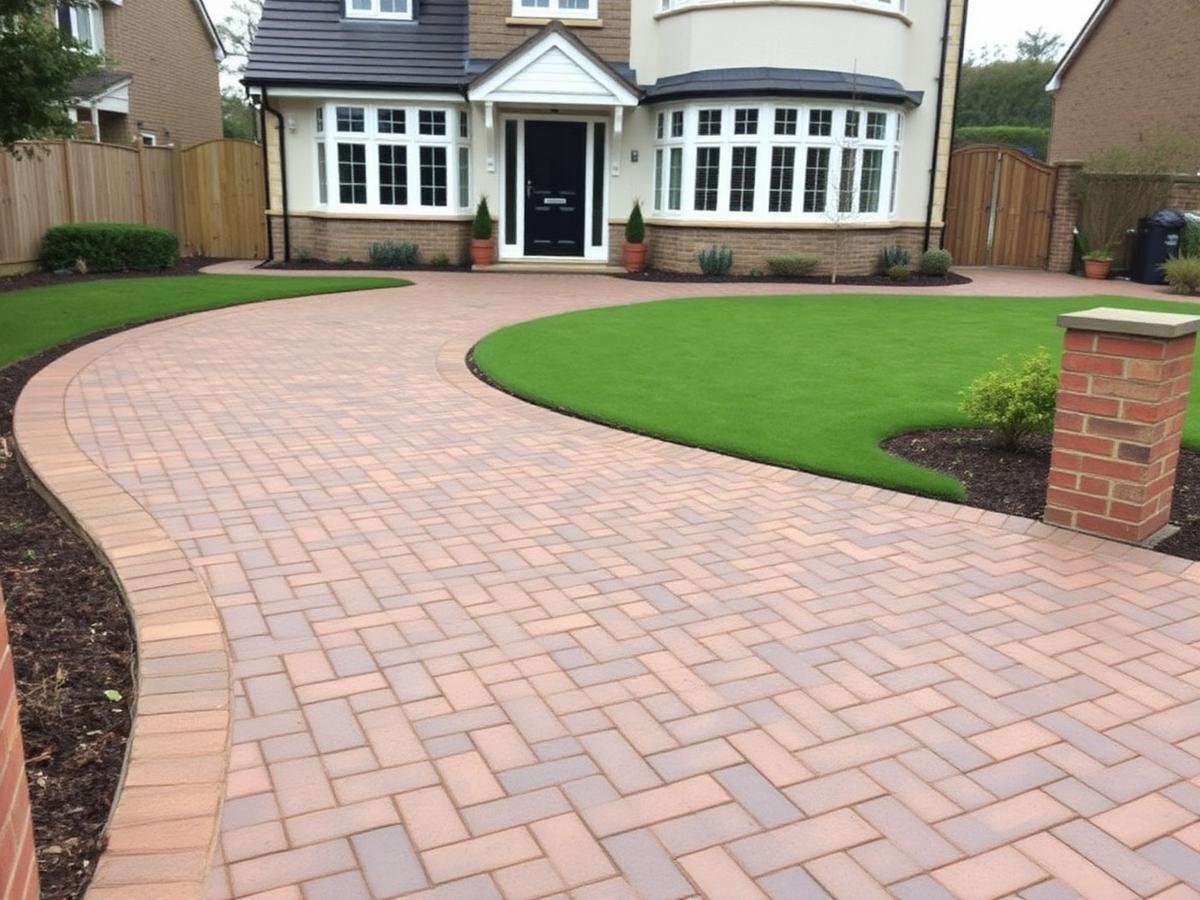
Yard and Courtyard Cleaning for Wakefield Barn Conversions
Converted barn property on the rural fringe with a mixed stone and gravel yard used for both cars and machinery
Barn and farmhouse conversions on Wakefield's rural fringe often sit around a mixed courtyard that started life as a working farmyard, combining original stone paving, patched concrete and gravel margins rather than one uniform surface.
Why a barn conversion yard is a different job to a domestic drive
Barn and farmhouse conversions on Wakefield's rural fringe often sit around a mixed courtyard that started life as a working farmyard, combining original stone paving, patched concrete and gravel margins rather than one uniform surface.
That mixed history means the yard usually still does mixed duty — domestic car parking alongside occasional machinery, trailer or delivery vehicle access — which puts more varied wear on the surface than a straightforward driveway sees.
Because the conversion itself is often relatively recent while the yard surface is older, there's frequently a gap between how well-finished the building looks and how weathered the ground around it actually is.
How a barn conversion visit is planned
- Step 1
Section-by-section surface matching
Each surface type in the yard is cleaned with settings suited to it, rather than a single blanket setting applied across stone, concrete and gravel edges alike.
- Step 2
Wear-zone-specific treatment
Areas that see machinery or trailer use get treated for their specific staining pattern rather than assumed to be the same as the car-parking zone.
- Step 3
Coordinated scheduling with site use
Timing is agreed around any ongoing farm or property use so freshly cleaned areas aren't immediately driven over by machinery before drying.
What's checked on a mixed-use rural yard
Surface transition points
We map where stone gives way to concrete or gravel, since each needs a different approach and the transitions are often where wear shows first.
Machinery and vehicle wear zones
Areas used for turning trailers or parking machinery show different wear to pure car-parking zones, so these are assessed and treated separately.
Historic staining sources
Old oil, feed or general farm-use staining is identified and treated as distinct from general weathering grime, since it needs a different approach.
Practical points for rural property owners
Before we start
- Mixed surfaces in one yard often need more than one cleaning approach in the same visit
- Coordinate timing with any ongoing machinery or trailer use on site
- Historic staining from farm use may need targeted pre-treatment
Once it's done
- Gravel margins should be protected from pressure settings meant for solid surfaces
- Sealing options differ significantly between the stone, concrete and gravel-edged sections
Getting kit in, getting water away
These properties usually have generous, open access with no kerb or narrow gateway to navigate, though loose gravel sections and any active machinery use on site need coordinating so cleaning work isn't undone by fresh vehicle traffic straight after.
Mixed rural yards often drain to open ground, a farm drain, or a soakaway rather than a formal storm system, so cleaning products are chosen and applied with that informal drainage route in mind.
- Nearest city
- Leeds — 10 miles
- Typical surfaces
- sandstone flags and clay-red block paving
- Common property stock
- stone-built terrace, 1970s estate home, commercial forecourt
- Nearest commercial hub
- Wakefield Europort and Trinity Walk
- Area type
- city
- Postcode district
- WF1
Biocide treatment and colour enhancing sealer pages cover specific stone and moss issues common on these rural properties.
Scope agreed before anything is switched on
- We survey the surface first and say plainly if farmhouses & barn conversions is the wrong call for it.
- Scope is written down, so you can see exactly what is and isn't included.
- Where a stain or defect won't fully clear, we say so before you book.
Questions from barn and farmhouse conversion owners
Can you clean a yard that still gets used for machinery as well as cars?+
Yes, though timing is coordinated so freshly cleaned areas aren't immediately driven over before they've dried.
Does old farm staining need a different approach to general dirt?+
Often yes — historic oil or feed staining tends to need targeted pre-treatment rather than responding to a standard clean alone.
Our yard has three different surfaces — is that a problem?+
It just means the visit is planned section by section, matching the approach to each surface rather than using one setting throughout.
Should the whole yard be sealed the same way?+
Not necessarily — stone, concrete and gravel-edged areas often suit different sealing approaches, which we'd talk through for your specific yard.
If your barn conversion yard sees mixed use and mixed surfaces, get in touch to discuss a cleaning plan that treats each part appropriately.
The short version
Mixed-surface barn conversion yards on Wakefield's rural fringe need section-by-section cleaning that accounts for both domestic parking and machinery wear.