
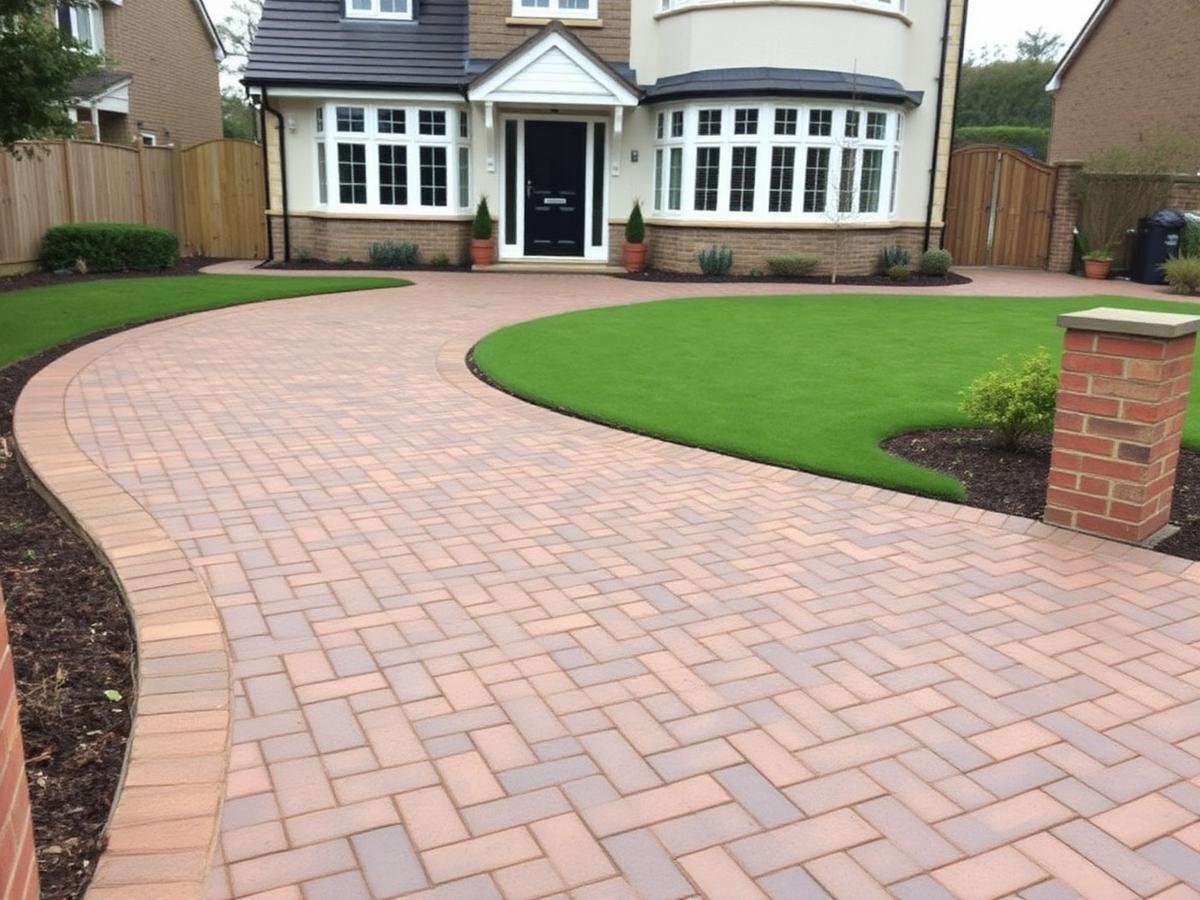
Farmhouse and Barn Conversion Cleaning on Saltaire's Rural Fringe
Converted barn property on the rural fringe toward Baildon Moor
A scatter of farmhouse and barn conversion properties sit on the rural fringe where Saltaire's built-up streets give way toward Baildon Moor, converted from working agricultural buildings into homes with substantially larger yards and driveways than anything in the village core. These properties combine original stone barn walls with modern paved courtyards, often laid during conversion using stone chosen to complement rather than match the original fabric.
How a rural conversion property differs from the village core
A scatter of farmhouse and barn conversion properties sit on the rural fringe where Saltaire's built-up streets give way toward Baildon Moor, converted from working agricultural buildings into homes with substantially larger yards and driveways than anything in the village core. These properties combine original stone barn walls with modern paved courtyards, often laid during conversion using stone chosen to complement rather than match the original fabric.
Exposure here is a different problem to the sheltered mill streets below — open moorland edges mean more direct wind-driven rain and a genuinely wider temperature swing, both of which affect how algae and lichen establish on yard surfaces compared with the damp-but-still terraces closer to the canal.
Because these properties often have working agricultural history, yards can also carry legacy staining from livestock, feed storage or machinery that a straightforward domestic clean simply hasn't encountered before.
How the visit runs on a larger rural property
- Step 1
Site access and drainage confirmation
Given the informal drainage on many rural properties, we confirm the actual fall and destination of run-off before starting rather than assuming a standard setup.
- Step 2
Zone-by-zone method matching
Original stone and modern paving areas are treated with separately matched methods rather than one blanket approach across the whole yard.
- Step 3
Extended coverage for larger areas
Given the greater size of these yards compared with village properties, the visit is structured to cover the full area systematically rather than focusing on one section.
What we check on a farmhouse or barn conversion yard
Legacy agricultural staining
We check for old feed, oil or livestock-related staining that needs identifying separately from general weathering before choosing a cleaning approach.
Exposure-driven growth pattern
Open moorland edge exposure tends to produce different lichen and algae patterns than sheltered village streets, which affects treatment choice.
Mixed original and modern stone
Original barn stone alongside modern conversion paving needs assessing separately, since each responds differently to the same method.
Points specific to rural conversion sites
Before we start
- Unmade access tracks may affect what vehicles and equipment can reach the yard
- Legacy agricultural staining sometimes needs a different product than domestic grime
- Moorland edge exposure can mean harsher weather windows for scheduling work
Once it's done
- Informal drainage means chemical use is kept conservative and closely monitored
- Larger yard areas take proportionally longer, which is worth factoring into planning
Getting kit in, getting water away
Rural conversion driveways are typically longer and wider than anything in the village, often shared with a neighbouring farm building or accessed via an unmade track for part of the route, so vehicle access needs confirming ahead of the visit rather than assumed.
Drainage on these properties is frequently informal compared with adopted estate roads, relying on natural fall across the yard toward a ditch or soakaway rather than a piped system, so cleaning volume and any treatment chemicals are chosen with that more sensitive, less engineered drainage route in mind.
- Nearest city
- Bradford — 4 miles
- Typical surfaces
- original Bradford millstone grit and buff sandstone
- Common property stock
- Grade II stone terrace, mill-worker cottage, canal-side conversion
- Nearest commercial hub
- Salts Mill and Victoria Road boutiques
- Area type
- heritage village
- Postcode district
- BD18
See related rural property care notes for Baildon and Ilkley.
Scope agreed before anything is switched on
- We survey the surface first and say plainly if farmhouses & barn conversions is the wrong call for it.
- Scope is written down, so you can see exactly what is and isn't included.
- Where a stain or defect won't fully clear, we say so before you book.
Questions from barn conversion owners
Can you get equipment down our unmade track?+
We confirm access ahead of the visit, since some tracks need lighter equipment carried in rather than a full van driven right up to the yard.
Our yard has old staining from when it was a working farm — can that be removed?+
Legacy agricultural staining often responds to a different treatment than general weathering, and we assess it separately before deciding what's realistically achievable.
Is our drainage suitable for the products you use?+
We check how run-off actually leaves the site before deciding on chemical use, being more conservative where drainage is informal rather than piped.
Will the original barn stone and the newer paving need different treatment?+
Yes, we treat these as separate zones since original stone and modern conversion paving respond differently to the same method.
If your barn conversion yard toward Baildon Moor needs proper attention, get in touch and we'll confirm access and drainage before quoting.
The short version
Rural conversion properties near Saltaire need methods matched to mixed stone, legacy staining and informal drainage.