
Farmhouse and Barn Conversion Care on Shipley's Rural Fringe
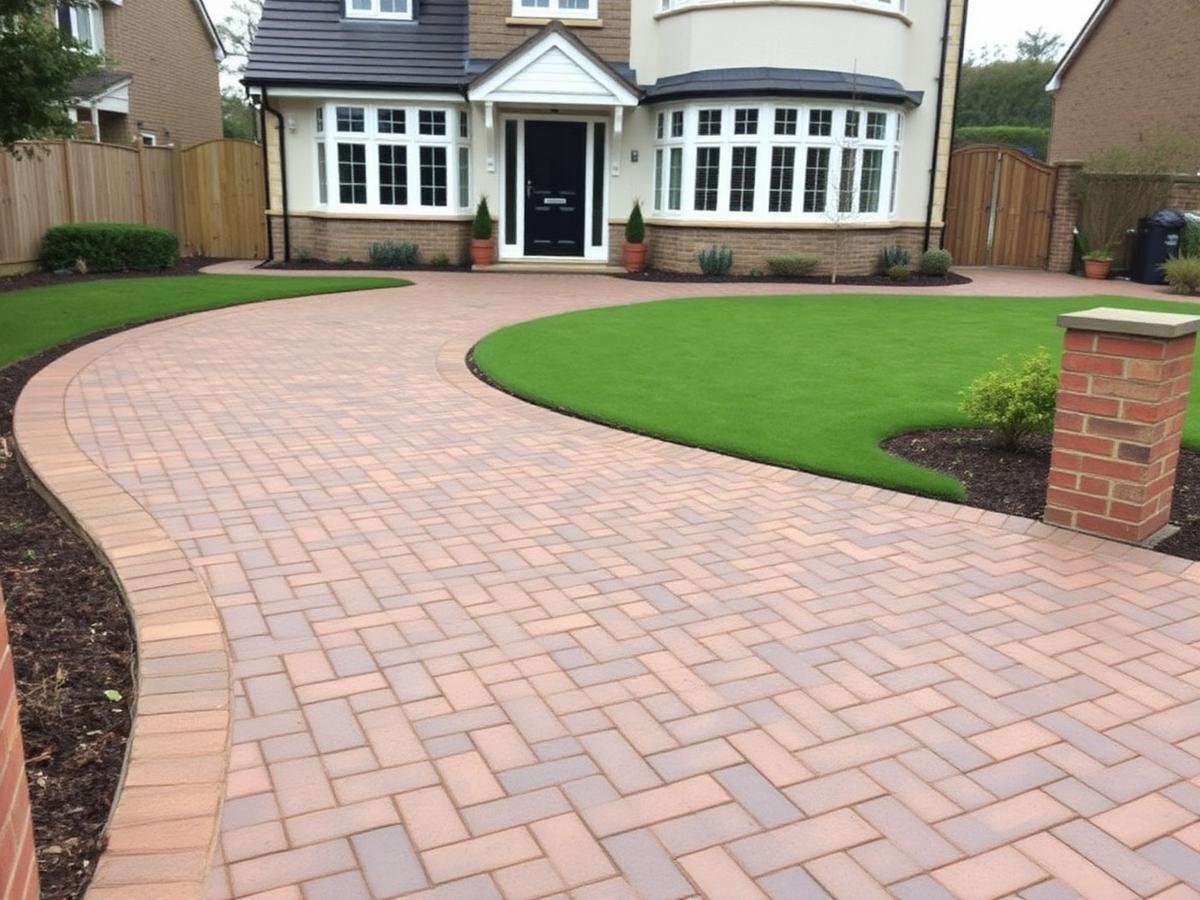
Converted barn property on Shipley's rural fringe with a gravel-to-stone transition yard
On the rural edges beyond Shipley's built-up streets, converted barns and older farmhouses often have a yard that transitions from original stone flags near the house, through a gravel or hardcore section, to a mud track leading toward fields or a shared farm access lane.
The mixed surfaces around a Shipley barn conversion
On the rural edges beyond Shipley's built-up streets, converted barns and older farmhouses often have a yard that transitions from original stone flags near the house, through a gravel or hardcore section, to a mud track leading toward fields or a shared farm access lane.
This mix of surfaces means dirt and organic matter get tracked from the unpaved sections onto the stone paving nearest the house far more than on a typical estate driveway, with mud, straw and moss from surrounding fields adding to what already needs cleaning off older, exposed stone.
Because these properties often sit more exposed to weather than sheltered town streets, wind-driven rain and standing puddles after storms can leave a heavier, more consistent layer of grime across the stone sections than a more sheltered garden ever sees.
How work is planned around a working rural yard
- Step 1
Clearing loose debris from the transition zone first
Mud, gravel and organic debris at the stone-to-gravel boundary are cleared before general cleaning, since this area holds the heaviest build-up.
- Step 2
Cleaning the stone sections thoroughly
The main stone-paved areas nearest the house are then cleaned in full, addressing weathering from wind-driven rain as well as tracked-in mud.
- Step 3
Checking natural drainage isn't disrupted
Once cleaning is complete, we check that the natural fall of the yard is still directing water toward its usual route rather than pooling somewhere new.
What we check on a converted farm property
Checking the stone-to-gravel transition zone
We assess how much mud and debris typically build up at the point where gravel meets stone paving, since this area usually needs more thorough initial treatment.
Assessing exposure to wind-driven weather
More exposed rural stone can weather differently to sheltered town paving, so we factor this into how the surface has aged and what it needs.
Checking natural drainage routes
We identify where water naturally flows across the yard toward a ditch or soakaway, since this affects how cleaning run-off is managed responsibly.
Things to factor in for a rural fringe property
Before we start
- Ground conditions after wet weather can affect vehicle access to the property
- The transition zone between gravel and stone needs more attention than a uniform surface
- More exposed rural stone can weather differently to sheltered town paving
Once it's done
- Run-off is managed with natural drainage routes and nearby watercourses in mind
- Mud and organic debris are cleared as a first stage rather than mixed into the general clean
Getting kit in, getting water away
Access typically involves a longer, sometimes shared farm track before reaching the property itself, so vehicle access for equipment needs planning around ground conditions, particularly after wet weather when the unpaved sections can be soft or rutted.
Drainage on these rural fringe plots is often less formal than in town, relying on natural fall across the yard toward a ditch, soakaway or field boundary rather than a piped system, so cleaning work is planned to avoid pushing mud or debris toward any watercourse.
- Nearest city
- Bradford — 3 miles
- Typical surfaces
- Yorkshire stone flags with older buff sandstone paths
- Common property stock
- stone-built terrace, canal-side conversion, post-war semi
- Nearest commercial hub
- Shipley town centre and Salts Mill retail
- Area type
- suburb
- Postcode district
- BD18
See biocide treatment and sandstone sealing pages for further care on exposed rural stone.
Scope agreed before anything is switched on
- We survey the surface first and say plainly if farmhouses & barn conversions is the wrong call for it.
- Scope is written down, so you can see exactly what is and isn't included.
- Where a stain or defect won't fully clear, we say so before you book.
Barn conversion questions from rural Shipley owners
Can you get equipment down our farm track if it's been wet?+
We check ground conditions ahead of the visit and plan access accordingly, sometimes adjusting timing around recent weather.
Why does the stone near our door get dirtier than a normal driveway?+
Mud and debris tracked in from the gravel or field access areas add to what a typical paved driveway would ever see.
Will cleaning affect our drainage ditch or soakaway?+
We plan the work with your natural drainage route in mind, avoiding pushing debris toward a watercourse.
Is exposed rural stone treated differently to town paving?+
Yes, more exposed stone can weather differently, and we take that into account when assessing condition and choosing treatment.
If your barn conversion yard sees more mud and weather than a typical driveway, get in touch about a visit planned around your access and drainage.
The short version
Cleaning and care planned around the mixed surfaces, access and natural drainage of a rural fringe conversion.