
New Build Estate Care for Shipley's Recently Completed Homes
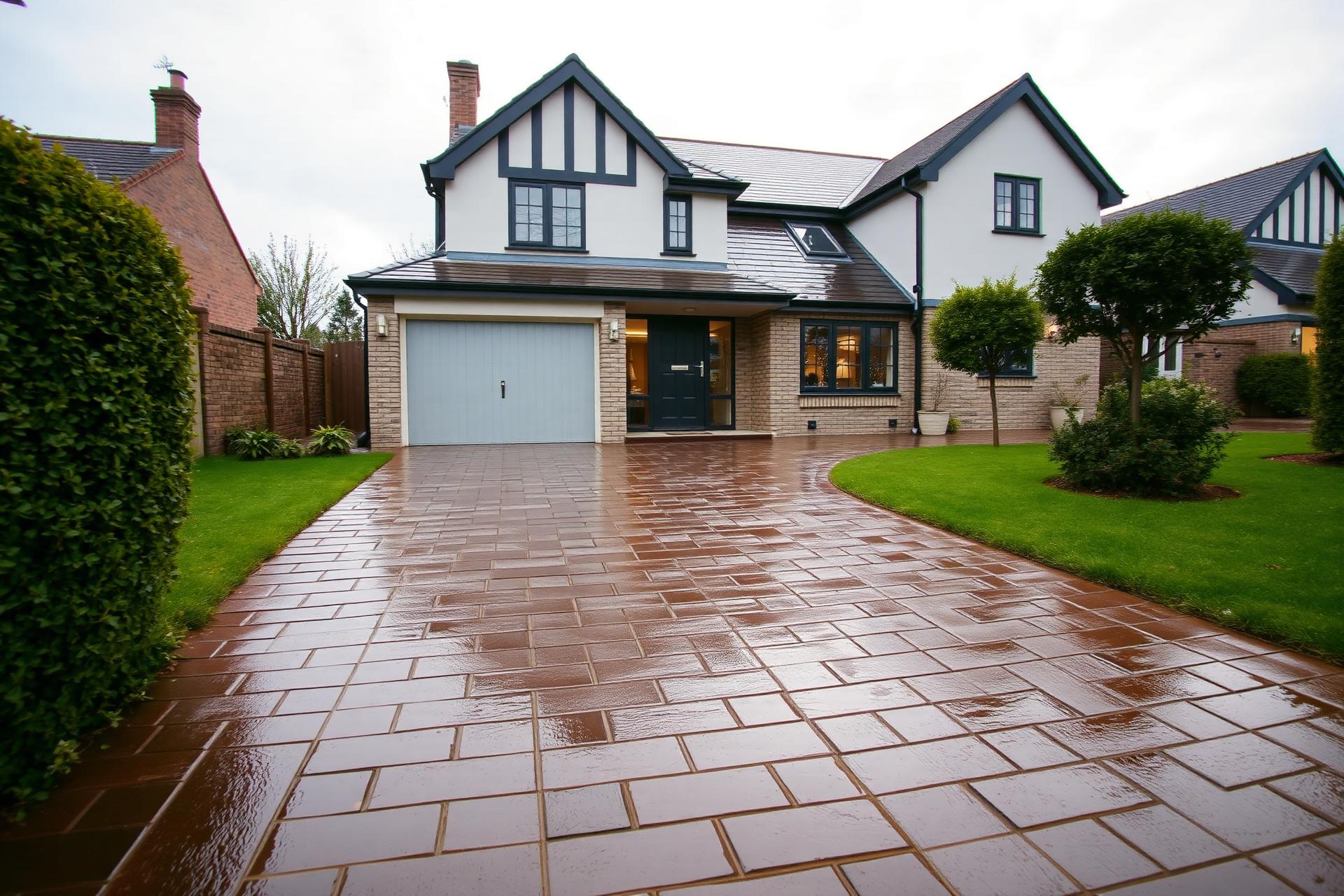
Recently completed estate home with a driveway still under builder-grade finish
Homes on Shipley's newer estate developments often arrive with a driveway or path that's had minimal treatment beyond the construction process itself, meaning cement residue, builder's dust and occasionally paint or sealant overspray from neighbouring plots can still be present months after moving in.
What a Shipley new build driveway actually needs first
Homes on Shipley's newer estate developments often arrive with a driveway or path that's had minimal treatment beyond the construction process itself, meaning cement residue, builder's dust and occasionally paint or sealant overspray from neighbouring plots can still be present months after moving in.
Because these estates are built in phases, it's common to have active construction continuing nearby even after a household has settled in, which means driveways here pick up plaster dust and site grime at a rate a fully finished, mature street simply doesn't experience.
Many new build surfaces also haven't been sealed at all yet, since developers typically install rather than finish the surface to a homeowner's own maintenance standard, leaving that first proper treatment as something the new owner needs to arrange themselves.
What new build owners should know
Before we start
- Construction residue often needs different treatment to general household dirt
- Ongoing building work nearby can mean repeat visits are more useful than a single one-off
- Many new build surfaces have never been sealed and benefit from starting that maintenance early
Once it's done
- Timing around neighbouring construction traffic helps avoid a disrupted visit
- Getting ahead of staining now is easier than treating years of build-up later
How the first proper treatment visit is run
- Step 1
Removing construction residue first
Cement fines and builder's dust are treated as a distinct first stage, since these need a different approach to general dirt before any deeper clean can be effective.
- Step 2
General clean of the full surface
Once construction residue is addressed, the wider surface is cleaned as normal to bring it to a genuinely fresh, move-in-ready finish.
- Step 3
Recommending sealing where the surface is unprotected
Where the surface hasn't been sealed at all, we explain the benefit of doing so now while it's clean and new, rather than waiting until it's already picked up years of staining.
Getting kit in, getting water away
Access on these estates is usually generous and unobstructed, with new, wide driveways and clear pavement access, though ongoing construction traffic nearby can mean coordinating timing to avoid a visit coinciding with deliveries to neighbouring plots still being built.
New build drainage systems are typically modern and well specified, but silt and cement fines from ongoing construction nearby can still find their way into gullies, so any cleaning work is mindful of not adding further sediment to a drainage system that may still be settling in.
- Main route in
- A650 / A657
- Nearest city
- Bradford — 3 miles
- Typical surfaces
- Yorkshire stone flags with older buff sandstone paths
- Common property stock
- stone-built terrace, canal-side conversion, post-war semi
- Nearest commercial hub
- Shipley town centre and Salts Mill retail
- Area type
- suburb
What we check on a recently completed new build surface
Checking for residual cement and builder's dust
We assess how much construction-related residue remains bonded to the surface, since this often needs a different first treatment to organic dirt or algae.
Checking for any overspray or paint marks
Nearby construction work can leave small paint or sealant marks, which are identified before general cleaning begins.
Assessing whether the surface has been sealed at all
Many new build surfaces are entirely unsealed, so we check this first since it changes whether cleaning alone is enough or sealing should follow.
Scope agreed before anything is switched on
- We survey the surface first and say plainly if new-build estate homes is the wrong call for it.
- Scope is written down, so you can see exactly what is and isn't included.
- Where a stain or defect won't fully clear, we say so before you book.
See block paving sealing and rotary surface cleaning for the next steps after a first clean.
New build questions from Shipley homeowners
Why does our brand new driveway already look patchy?+
This is often leftover cement residue or dust from construction rather than general dirt, which needs a specific first treatment to remove properly.
Should we seal our driveway now or wait?+
Sealing while the surface is clean and new generally gives a better long-term result than waiting until staining has built up.
Will ongoing building work nearby just undo the clean?+
It's possible some dust will return while nearby plots are still under construction, which is worth factoring into how often you might need attention early on.
Did the developer seal our driveway already?+
Not usually — most new build surfaces are installed but not sealed, so this is typically left for the homeowner to arrange.
The short version
A first-treatment approach for Shipley new build homes, clearing construction residue and starting proper long-term care.