
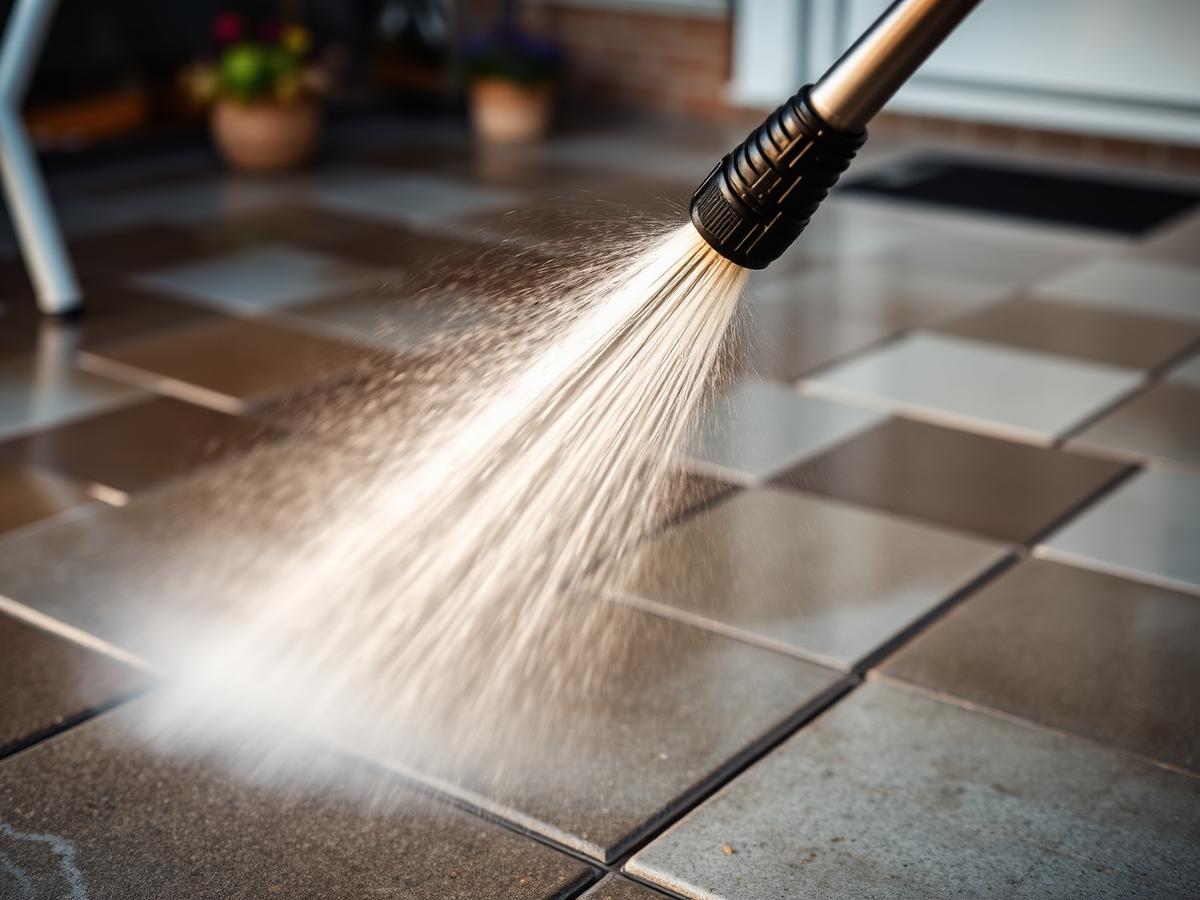
Decking gets written off as 'needing doing' fairly often, but that phrase covers three quite different problems: a surface that's grown slippery with algae, timber that's gone grey and rough on top, or boards that have genuinely started to fail structurally. Each of those calls for a different response, and treating a cleaning problem as a replacement problem wastes sound timber.
Working out which category your deck falls into starts with the boards themselves, not just how the deck looks from the back door.
When cleaning alone is enough
- The main complaint is slipperiness, greening or general dirt build-up, not the feel of the wood underfoot.
- Boards are structurally sound — no soft spots, no give when you press on them.
- The grain still looks intact once the surface algae is removed, just weathered and dull.
When sanding is worth adding to the mix
- The timber surface has gone rough, grey or splintery even after cleaning removes the dirt and algae.
- You want to apply a fresh oil or stain and need a smooth, receptive surface for it to bond to evenly.
- Boards are sound structurally but have lost their original finish through years of weathering.
When replacement is the honest answer
- Boards flex, feel soft, or show visible rot, particularly around fixings and joist lines.
- Damage is concentrated in specific boards rather than spread evenly, which sometimes allows for partial rather than full replacement.
- The substructure itself — joists, bearers — shows signs of decay, which no amount of surface work will resolve.
Why the order matters if you're doing more than one
Cleaning always comes first, because it's the only way to actually see what's underneath the grime and algae — sanding a dirty, damp deck just clogs the abrasive and makes an uneven job of it. Any oiling or staining then follows sanding, once the surface is clean, dry and smooth enough to take the finish evenly.