
The green film that makes a deck lethal in October isn't dirt. It's algae, and it thrives in the shade and damp that most UK gardens provide for at least half the year.
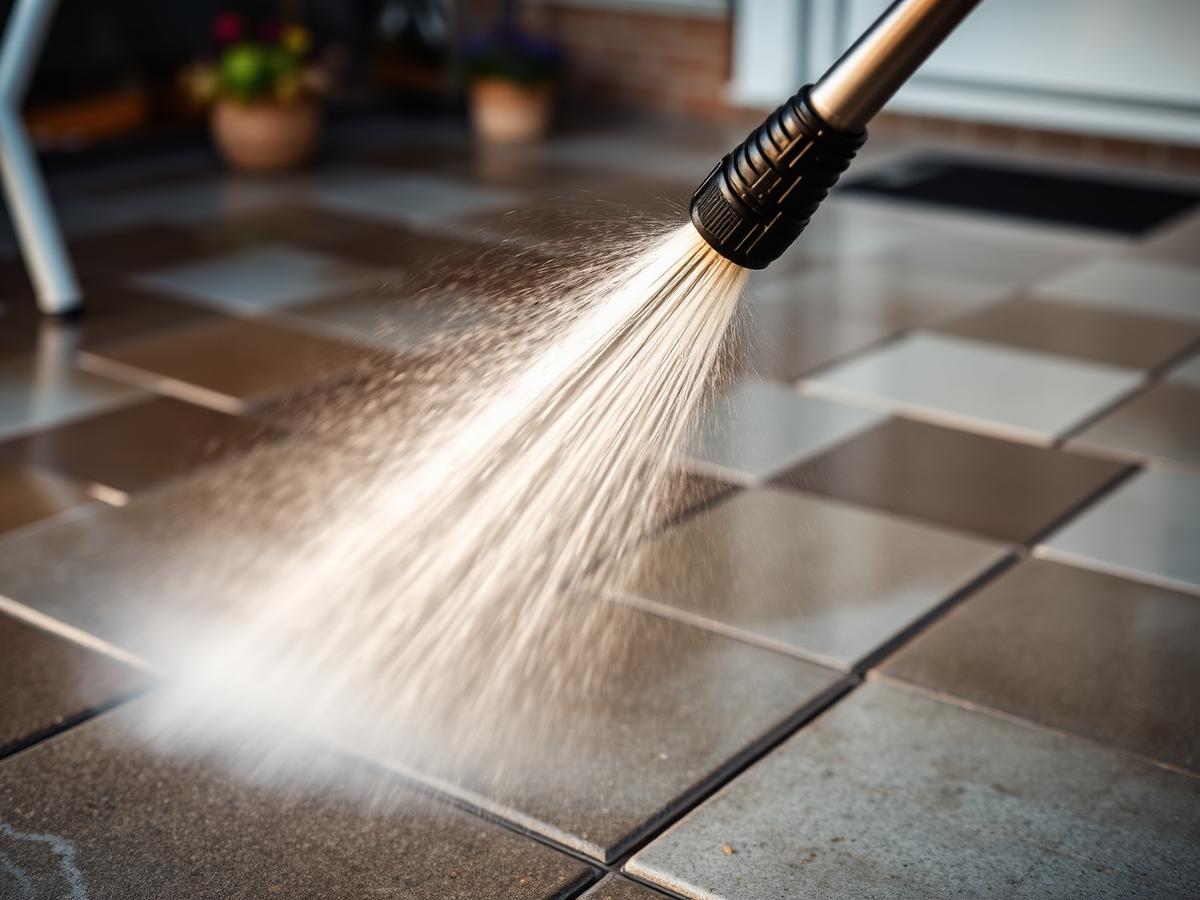
The instinct is to blast it. On timber, that's the one thing you shouldn't do.
Why pressure damages timber
A high-pressure jet tears out the soft spring wood between the harder grain lines, leaving a furred, ridged surface. That rough surface then holds more water and more organic matter, so the deck greens up faster than it did before.
Composite boards resist this better, but their capped surface can still be scored, and grooved anti-slip boards trap blasted debris in the channels.
The approach that works
- Low-pressure soft-wash with an appropriate cleaner and dwell time.
- Brush and lance detailing along grooves and between boards.
- An anti-slip biocide treatment to clear the algae layer at root level.
- Checking fixings and any soft spots around fasteners while the surface is exposed.
- Optional oil or stain once the timber is genuinely dry.
Oil, stain or leave it
Oiling feeds softwood and slows weathering, and it needs redoing on a regular cycle. Stain changes the tone and gives more UV protection but shows wear at traffic points. Leaving a hardwood deck to silver naturally is a legitimate choice — just keep the algae under control for grip.
Composite needs none of it; it just needs cleaning.