
Rotary Surface Cleaning for New Estate Drives in Castleford
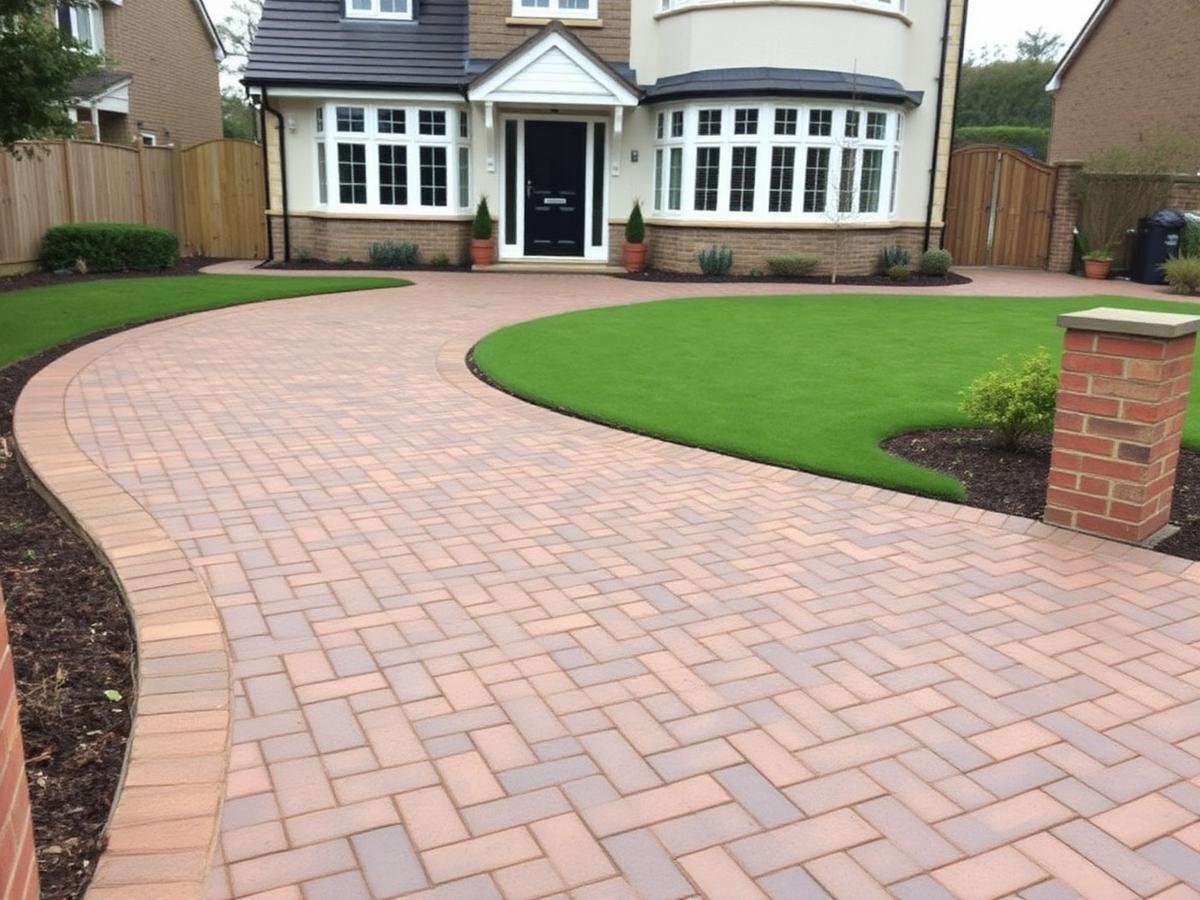
Modern estate cul-de-sac off the A639 with block-paved driveways
The newer cul-de-sac estates built off the A639 corridor have brought a wave of block-paved driveways to Castleford that are only a handful of years old, but the standard herringbone pattern and tight jointing that looked crisp on completion day start showing tramline staining within a couple of winters. Cars parked in the same spot daily leave near-identical dirt patterns from drive to drive.
New-build drives showing their first few winters
The newer cul-de-sac estates built off the A639 corridor have brought a wave of block-paved driveways to Castleford that are only a handful of years old, but the standard herringbone pattern and tight jointing that looked crisp on completion day start showing tramline staining within a couple of winters. Cars parked in the same spot daily leave near-identical dirt patterns from drive to drive.
Because these estates sit close to the motorway network, fine road grit gets tracked in constantly and settles into the paving joints faster than residents expect for a 'new' surface. It's often the first time these homeowners have dealt with driveway staining at all, having moved from rented properties or older houses with tarmac.
The blocks themselves are typically a manufactured concrete product with a consistent factory colour, which actually makes uneven staining more visible than it would be on a natural stone surface with more colour variation to begin with.
What we look at on a young block-paved drive
Tyre tramline staining
We check how deep the parking-pattern staining has set into the block surface, since fresher marks respond faster than several seasons of buildup.
Joint sand depth
New-build joint sand can be shallower than expected from initial installation, so we check levels before deciding on rotary head pressure.
Permeable paving integrity
Where the drive uses a permeable system, we confirm the sub-base isn't compacted or blocked, since that changes how quickly the surface can shed water during cleaning.
Getting kit in, getting water away
Estate drives here are generally open-plan with no gates, but shared visitor parking bays sit close by, so we coordinate timing with residents to avoid a neighbour's car blocking the working area during the clean.
Most of these estates use permeable block paving or nearby soakaway systems designed into the original build, so run-off during cleaning needs to be kept to a rate the joints and sub-base can actually absorb rather than sheeting off toward a neighbour's boundary.
- Main route in
- M62 J32 / A639
- Nearest city
- Wakefield — 9 miles
- Typical surfaces
- block paving and imprinted concrete drives
- Common property stock
- red-brick terrace, 1950s semi, modern estate home
- Nearest commercial hub
- Xscape Yorkshire and Junction 32 outlet
- Area type
- industrial town
What affects a new estate clean
Before we start
- Visitor parking bays should be checked clear before the day of the clean
- New joint sand is shallower than older installations and needs gentler pressure
- Permeable paving needs run-off kept within what the sub-base can absorb
Once it's done
- Tramline staining responds better to a slower pass than extra pressure
- Re-sanding after cleaning keeps new-build paving from shifting underfoot
How the rotary head is run across a modern layout
- Step 1
Overlap pattern mapping
The rotary head is run in a consistent overlapping pattern matched to the herringbone lay, so no block edge gets a heavier pass than its neighbour.
- Step 2
Tramline focus pass
Areas with visible parking-pattern staining get a slower secondary pass rather than raised pressure, protecting the joint sand underneath.
- Step 3
Joint sand reinstatement
Once dry, joints are checked and re-sanded where the clean has displaced material, keeping the surface stable for vehicle weight.
Scope agreed before anything is switched on
- We survey the surface first and say plainly if rotary surface cleaning is the wrong call for it.
- Scope is written down, so you can see exactly what is and isn't included.
- Where a stain or defect won't fully clear, we say so before you book.
Questions from newer homeowners
My drive is only a few years old — why does it need cleaning already?+
Fine grit from the nearby A639 and motorway network settles into new joints quickly; it's a common surprise for residents new to block paving.
Will rotary cleaning remove the parking stains completely?+
Most tramline staining lifts well with a rotary head, though very established marks may need a slower repeat pass rather than more pressure.
Do I need to move my car during the clean?+
Yes, the drive needs to be clear, and it helps if neighbours' visitor parking is checked too so we're not working around an unexpected vehicle.
Is rotary cleaning safe for permeable paving?+
Yes, but we check the sub-base first and control run-off rate so we're not overwhelming a system designed for gradual drainage.
Our new-build estate page covers this same driveway type from the property angle.
If your Castleford estate drive is showing tramline staining already, ask us for a look and we'll plan the clean around your driveway's actual paving type.
The short answer
New-estate block paving off the A639 needs pattern-matched rotary cleaning and careful joint-sand handling, not just a quick blast.