
Rotary Surface Cleaning for Wakefield Cul-de-Sac Drives
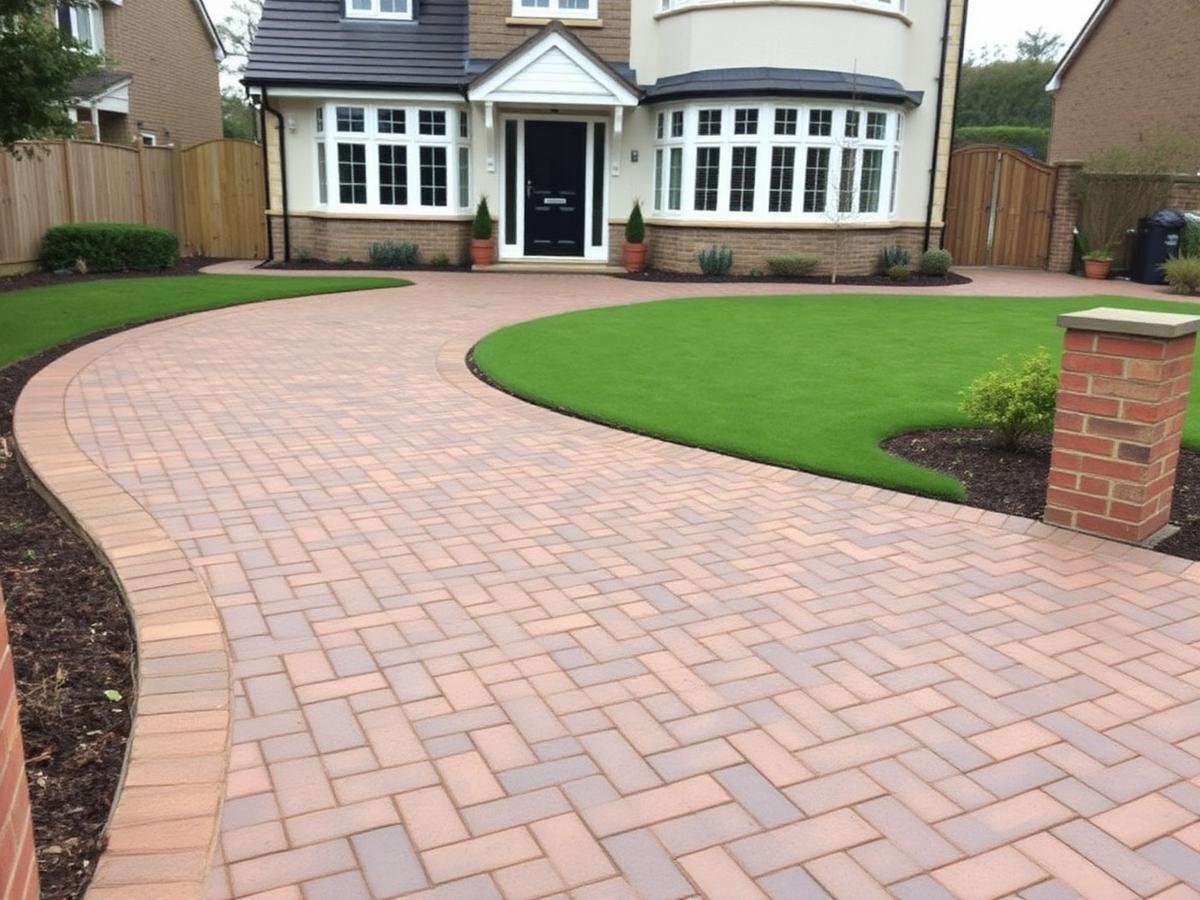
Modern cul-de-sac driveway with a large open-plan block-paved area and no fencing
Newer cul-de-sac developments around Wakefield are often built with open-plan frontages, no dividing fences between properties, and a wide block-paved drive that flows almost seamlessly into the neighbour's.
Why open-plan cul-de-sac drives show uneven cleaning fastest
Newer cul-de-sac developments around Wakefield are often built with open-plan frontages, no dividing fences between properties, and a wide block-paved drive that flows almost seamlessly into the neighbour's.
Because there's no boundary breaking up the surface, any patchy or streaky cleaning is immediately obvious against the neighbouring drive's finish, which puts more pressure on getting an even result across a large flat area.
These drives are generally laid flat and well-drained, which is good news for the clean itself but means there's a lot of open surface to cover in one visit.
What we check before the rotary head starts
Boundary line clarity
We confirm exactly where the customer's paved area ends before starting, since open-plan layouts make this less obvious than a fenced drive.
Sett wear pattern
Rotary cleaning shows up wear unevenly if some setts are more worn than others, so we check for that before committing to a single pass speed.
Jointing sand depth
Rotary heads move faster than a manual lance, so joint sand depth is checked to judge how close we can safely work the head to the surface.
Getting kit in, getting water away
With no gates or boundary walls, access is usually straightforward, though cars belonging to two or three neighbouring households sometimes need to move together since the open-plan layout blurs where one drive ends and the next begins.
Flat, well-laid block paving on these estates usually drains toward discreet gully points set into the paving itself, so run-off during a rotary clean is directed toward those rather than allowed to sheet across a neighbour's section.
- Main route in
- M1 J40 / A638
- Nearest city
- Leeds — 10 miles
- Typical surfaces
- sandstone flags and clay-red block paving
- Common property stock
- stone-built terrace, 1970s estate home, commercial forecourt
- Nearest commercial hub
- Wakefield Europort and Trinity Walk
- Area type
- city
What homeowners should know beforehand
Before we start
- Coordinate timing with neighbours if drives run together without a clear boundary
- Newly laid block paving may need a gentler setting to protect fresh jointing sand
- Large open areas take longer to dry, so avoid heavy foot traffic straight after
Once it's done
- Wind can carry spray further on an open, unfenced frontage than an enclosed yard
- Re-sanding the joints afterward is worth considering if sand has visibly thinned
How a rotary clean is run on a wide drive
- Step 1
Overlap mapping
Because streaking is so visible on a large open area, we plan overlapping pass lines before starting rather than working freehand.
- Step 2
Rotary pass at consistent speed
The head is kept moving at an even pace across the whole area so no single patch gets more dwell time than its neighbour.
- Step 3
Edge and border finish
Edges against the road and any border course are finished with a slower, more controlled pass since the rotary head can't always reach flush into corners.
Scope agreed before anything is switched on
- We survey the surface first and say plainly if rotary surface cleaning is the wrong call for it.
- Scope is written down, so you can see exactly what is and isn't included.
- Where a stain or defect won't fully clear, we say so before you book.
Rotary cleaning questions from cul-de-sac residents
Will my drive look different from next door once it's done?+
That's exactly what we aim to avoid — consistent overlap and pass speed keep the finish even, especially where there's no boundary to hide a mismatch.
Is rotary cleaning faster than a standard pressure wash?+
On a large flat area, yes, since the rotating head covers ground more evenly and quickly than a single lance.
Can it damage the jointing sand on a newer drive?+
Only if run too close or too slow over one spot — we check sand depth first and adjust the approach for newer paving.
Do I need to tell my neighbour if our drives touch?+
It's worth a quick conversation since spray and run-off can reach an adjoining open-plan drive during the clean.
Pressure washing and hot water cleaning pages cover the same estates for smaller or more stubborn areas.
If your open-plan drive is due a full, even clean, get in touch and we'll plan a rotary visit that matches the whole frontage rather than just your side of it.
The short version
Open-plan cul-de-sac drives around Wakefield need a carefully overlapped rotary clean to avoid an uneven finish against an unfenced neighbouring surface.