
Rotary Surface Cleaning for Modern Driveways in Otley
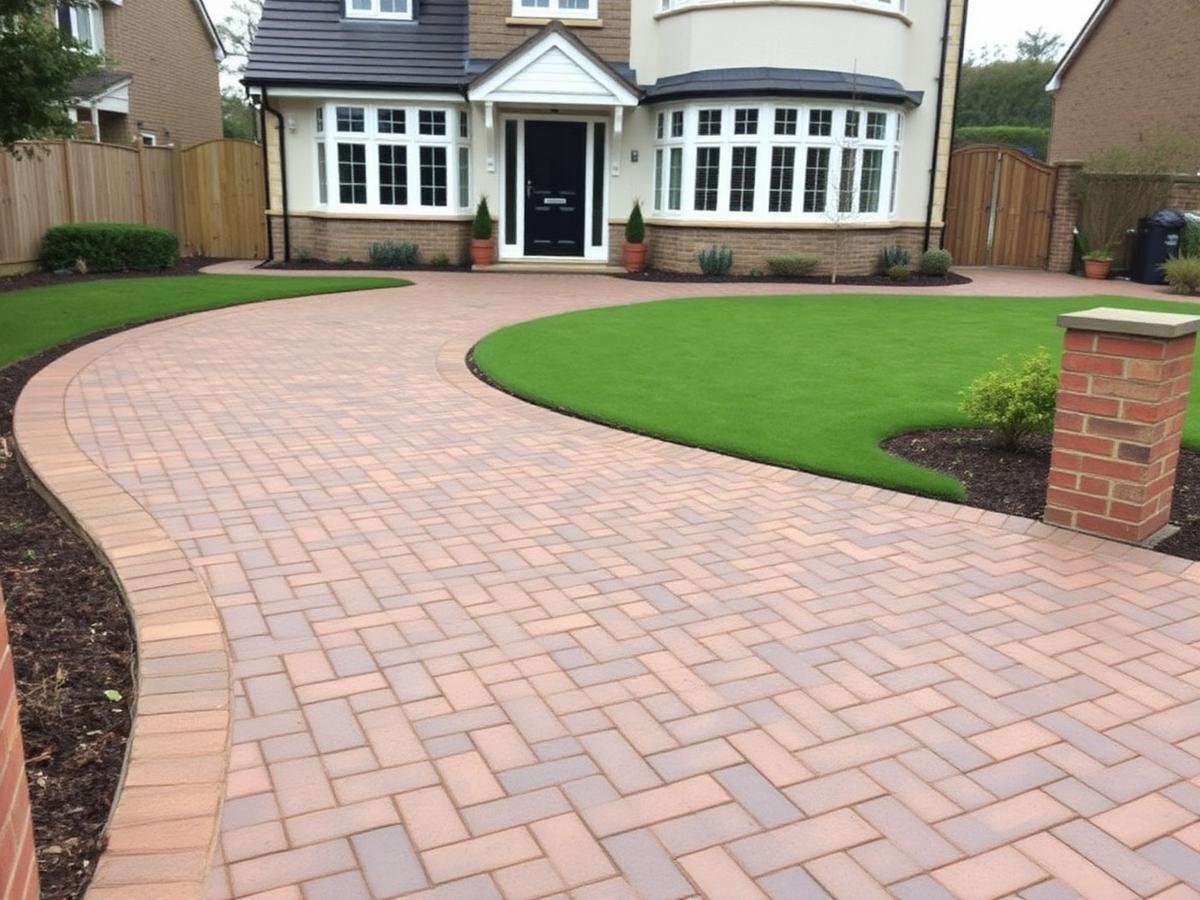
Modern detached driveway on a new-build cul-de-sac off the A659
The newer estates off the A659 toward Pool have brought a run of modern detached homes with uniform block-paved driveways, usually laid within the last fifteen years. The paving looks consistent, but two cars parked in slightly different spots for years leaves oil shadows and tyre marks that a standard wash misses.
Worth knowing before the visit
Before we start
- Vehicles need to be moved off the drive for the full visit
- Sand topping is recommended if joints are visibly bare
- Oil shadows from years of parking may lighten but not vanish
Once it's done
- Best done in dry weather so sand can be replaced properly
- Shared drives need agreement from both households
Why newer Otley driveways still stain unevenly
The newer estates off the A659 toward Pool have brought a run of modern detached homes with uniform block-paved driveways, usually laid within the last fifteen years. The paving looks consistent, but two cars parked in slightly different spots for years leaves oil shadows and tyre marks that a standard wash misses.
Because these drives are flat and open, without the tree cover found nearer the river, the staining here tends to be tyre rubber, oil and general road grime rather than lichen — a different problem needing a different tool.
Block paving also has hundreds of joints packed with kiln-dried sand, and an inconsistent clean leaves visible patchiness where some blocks come up brighter than others — the exact complaint that brings most new-build owners to ask about rotary cleaning.
Getting kit in, getting water away
These driveways are usually wide and unobstructed, with room to bring the rotary rig straight off the road, though estate parking restrictions on narrower closes mean the van sometimes has to sit on the drive itself while work moves outward from there. Shared driveways on paired houses are agreed with the neighbour beforehand.
Modern estates typically drain to a formal surface water system with clearly marked gullies at the kerb line, so run-off is directed there rather than across the pavement. Jointing sand lost during cleaning is noted so it can be topped up rather than left to wash away into the drain.
- Main route in
- A660 / A659
- Nearest city
- Leeds — 10 miles
- Typical surfaces
- Wharfedale stone flags and York-riven setts
- Common property stock
- Georgian stone frontage, riverside cottage, modern detached home
- Nearest commercial hub
- Otley Mills and Prince Henry's retail parade
- Area type
- market town
How the rotary head is run across a modern drive
- Step 1
Full-width overlap passes
The rotary head is run in overlapping passes across the whole drive to avoid the tramline streaking a single narrow lance leaves behind.
- Step 2
Spot pre-treatment on oil marks
Parking-bay oil shadows are treated individually before the rotary pass so they don't remain visibly darker than the rest.
- Step 3
Sand replenishment check at the end
Any joints stripped bare during cleaning are flagged and topped up with matching kiln-dried sand.
What gets checked on a block-paved drive first
Jointing sand condition
Sand levels between blocks are checked first, since worn joints need protecting from the rotary head's edge rather than blasted further.
Oil shadow location and depth
Parking-spot oil marks are tested to see if they'll lift with cleaning alone or need spot pre-treatment.
Block surface wear pattern
Tyre-track wear across the entry point is checked so the rotary pass evens it out rather than exaggerating the contrast.
Questions from new-build owners
Why does our block paving look patchy even though it's new?+
Consistent tyre and parking positions cause localised staining that plain rinsing misses evenly.
Will the rotary head damage the block joints?+
No, it's designed to clean without displacing sand the way a hand-held lance can if used unevenly.
Do you top up the sand afterwards?+
Yes, any joints left visibly bare after cleaning are flagged and topped up as part of the visit.
How long before we can park back on it?+
Once the surface has drained, which is usually within a few hours depending on weather.
Scope agreed before anything is switched on
- We survey the surface first and say plainly if rotary surface cleaning is the wrong call for it.
- Scope is written down, so you can see exactly what is and isn't included.
- Where a stain or defect won't fully clear, we say so before you book.
See how nearby farmhouse yards need a hot water approach instead on the hot water cleaning page.
Quick summary
Even rotary passes solve the parking-spot patchiness that plain hosing leaves behind on new-build drives.