Block Paving Sealing for Pudsey Driveways Off the A647
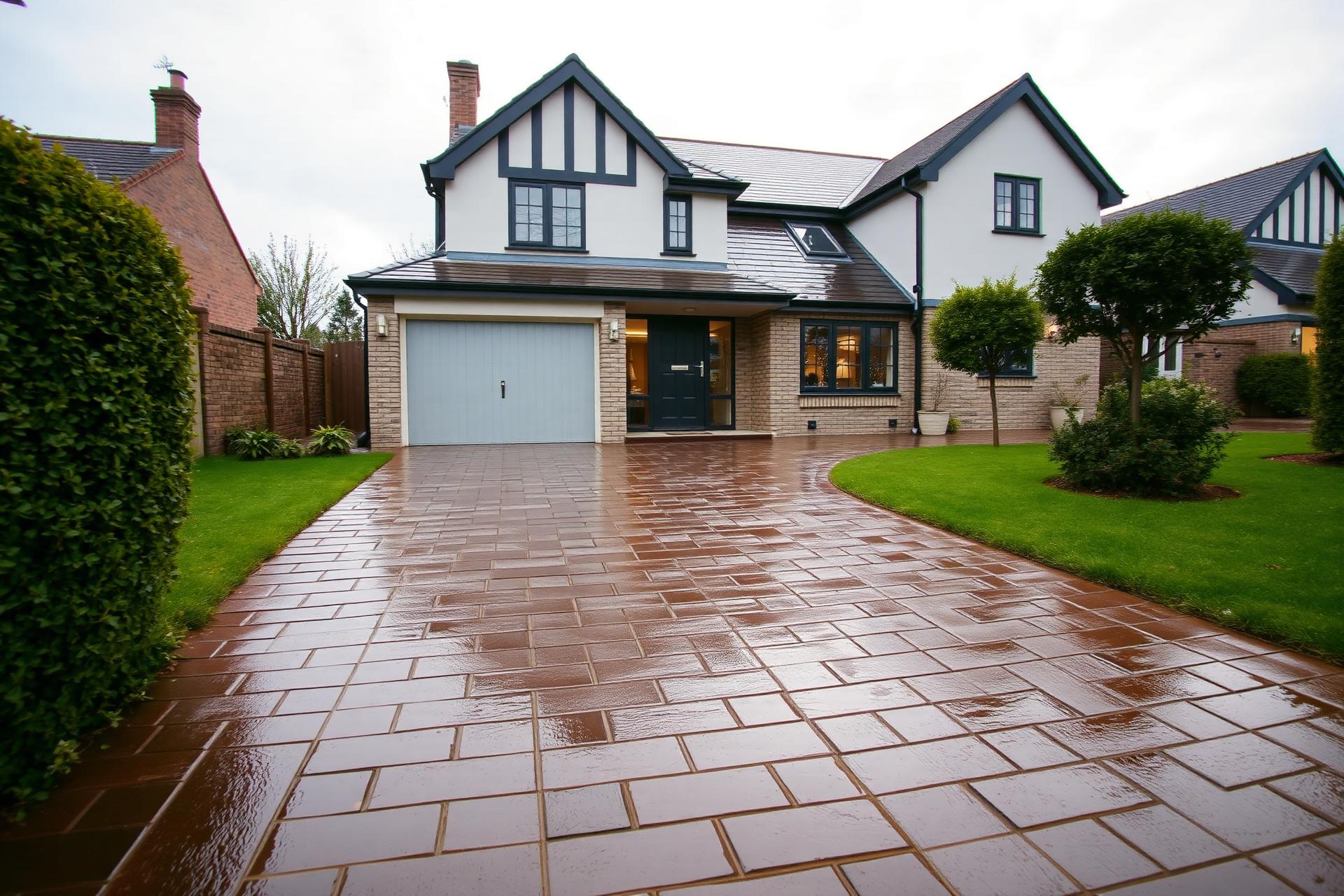
Mid-tone block paving drive on a modern close off the A647 bypass
Driveways on the newer closes running off the A647 bypass take a steady drizzle of road spray and diesel particulate that settles into unsealed block paving faster than it would on a quieter estate street set further back, and mid-tone block colours in particular show this staining more visibly than darker charcoal blocks.
Why block paving near a bypass needs sealing sooner
Driveways on the newer closes running off the A647 bypass take a steady drizzle of road spray and diesel particulate that settles into unsealed block paving faster than it would on a quieter estate street set further back, and mid-tone block colours in particular show this staining more visibly than darker charcoal blocks.
Sealing these driveways isn't just cosmetic here: it closes the surface pores that would otherwise soak up that traffic film, meaning routine cleaning lifts the grime rather than the grime working its way permanently into the block.
Because these are relatively young driveways compared with the older terraces elsewhere in Pudsey, the blocks themselves are usually in good structural condition, which makes sealing more straightforward and its results more visible.
Things to know before sealing
Before we start
- Sealing works best on a dry driveway with no rain forecast for at least a day
- Newly sealed sections need time to cure before vehicles return to them
- Joint sand should be topped up before sealing, not after
Once it's done
- Diesel staining on the surface may need pre-treatment before sealing locks it in
- Resealing every few years maintains protection against ongoing road spray
How the sealing visit is sequenced
- Step 1
Clean and dry the full surface first
The driveway is cleaned and given time to dry fully before any sealant is applied, since sealing over damp block paving compromises the finish.
- Step 2
Top up joint sand where needed
Any low joints are refilled before sealing so the sealer bonds evenly across a consistent surface.
- Step 3
Apply sealer in manageable sections
Sealant is applied section by section so cured areas can be walked or driven on sooner while the rest continues.
Getting kit in, getting water away
Most of these driveways take two cars comfortably, so we sequence sealing across the surface in a way that lets one car return to the drive overnight once its section has cured, working the rest the following day if needed. Shared driveway edges with a neighbouring plot are agreed in advance so sealant doesn't bridge onto a surface we haven't been asked to treat.
Sealed block paving still needs to drain properly through the joints into the sub-base, so we use a jointing-compatible sealer that protects the block surface without gluing the joints solid, keeping water passing through as it did before rather than pooling on top.
- Common property stock
- stone terrace, back-to-back, 1960s estate home
- Nearest commercial hub
- Pudsey market and Owlcotes retail park
- Area type
- suburb
- Postcode district
- LS28
- Local authority
- Leeds City Council
- County
- West Yorkshire
What we check before sealing goes down
Check current joint sand condition
We assess whether joint sand needs topping up before sealing, since sealing over depleted joints locks in a problem rather than fixing it.
Test moisture level in the blocks
Blocks are checked for residual damp, as sealing over a wet surface traps moisture and affects the finish.
Identify any existing staining depth
We note whether diesel or oil staining sits on the surface or has soaked in, since deep staining may need treating before sealing rather than sealed over.
Scope agreed before anything is switched on
- We survey the surface first and say plainly if block paving sealing is the wrong call for it.
- Scope is written down, so you can see exactly what is and isn't included.
- Where a stain or defect won't fully clear, we say so before you book.
Compare sealing options for other driveway types found across Pudsey.
Sealing questions from A647-side households
Will sealing stop the diesel staining I'm getting from the bypass?+
Sealing won't remove existing staining but significantly reduces how much new grime soaks into the block surface going forward.
Can I still park on my drive while it's being sealed?+
We work in sections so part of the drive can return to use once cured, while the remainder is completed separately.
Does sealing block up the gaps between the blocks?+
No, a jointing-compatible sealer is used so water can still pass through the joints as designed rather than pooling on the surface.
How often will I need to reseal a drive in this location?+
Given the road spray here, resealing is generally needed sooner than a quieter street set back from traffic.
The short version
Block paving sealing helps A647-side Pudsey driveways resist road spray and diesel staining between cleans.