
Block Paving Sealing for Estate Driveways Near Odsal, Bradford
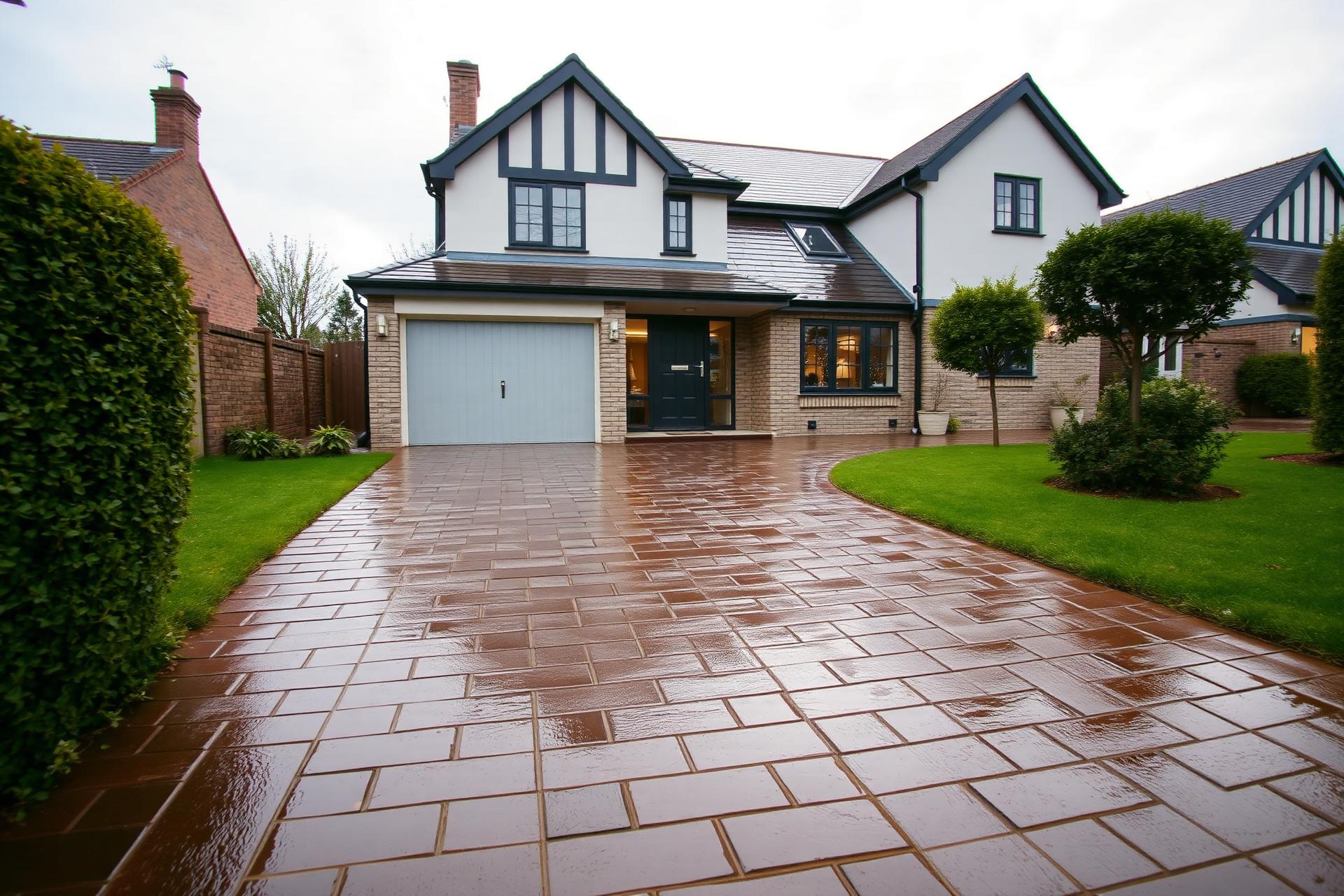
Corner-plot estate driveway near Odsal with recurring weed growth in joints
Corner-plot driveways on the estates near Odsal often get more exposure to wind-blown seed than a drive tucked between two houses, simply because they're more open to the street on two sides. Once seed lodges in the jointing sand, it germinates readily, and by the second summer after laying, weed growth in the joints is often the first sign of wear a homeowner notices.
Why weeds keep coming through the joints on Odsal estate drives
Corner-plot driveways on the estates near Odsal often get more exposure to wind-blown seed than a drive tucked between two houses, simply because they're more open to the street on two sides. Once seed lodges in the jointing sand, it germinates readily, and by the second summer after laying, weed growth in the joints is often the first sign of wear a homeowner notices.
These drives are usually laid with kiln-dried sand joints rather than a resin system, which looks sharp when new but is exactly the loose, organic-friendly medium weeds prefer. Without protection, sand joints also wash out gradually under regular rain, loosening the blocks at the edges first.
Because these are still relatively young driveways on a well-used estate, owners are usually looking to protect their investment early rather than repair damage that's already advanced, which changes the emphasis of the sealing visit toward joint stabilisation as much as surface appearance.
What affects how long a seal lasts
Before we start
- Dry weather with no rain forecast for the cure period is essential for a clean result
- Existing weeds need removing before sealing, not sealed over
- Topped-up jointing sand improves the seal's ability to lock the joints properly
Once it's done
- Corner plots exposed to more wind-blown seed may benefit from more frequent re-sealing
- Newly sealed surfaces can look slightly darker until fully cured
How the sealing visit is sequenced
- Step 1
Joint sand top-up
Thinned or washed-out joints are topped up with fresh kiln-dried sand and compacted before any sealer touches the surface.
- Step 2
Surface preparation clean
The full driveway is cleaned and allowed to dry thoroughly, since sealer applied over residual damp reduces adhesion and can cloud.
- Step 3
Sealer application
A jointing-grade sealer is applied evenly across the drive in a controlled pattern, bonding the sand joints together and reducing the gaps weeds rely on.
Getting kit in, getting water away
Corner plots often have a wider visibility splay onto two roads, so we're mindful of pedestrian sightlines while equipment is set out, and any car normally parked on the drive is moved to the roadside for the duration of the sealing and cure period. Bin storage at the side of the house is left undisturbed.
Sealing is applied in dry conditions with no rain forecast for the cure period, since premature rain can mark or dilute the sealer before it sets, so we check the local forecast and the drive's fall toward its drainage point before committing to a date. Once cured, the sealed joints shed water more predictably than loose sand, directing it toward the intended gully rather than seeping sideways.
- Common property stock
- Victorian terrace, 1930s semi, modern estate home
- Nearest commercial hub
- Bradford Broadway and Little Germany
- Area type
- city
- Postcode district
- BD1
- Local authority
- City of Bradford MDC
- County
- West Yorkshire
Checking the paving before sealing
Joint sand condition
We check how much original kiln-dried sand remains in the joints and where it's already thinning, since sealing over depleted joints without topping up won't stabilise them properly.
Existing weed growth
Any current weed growth is identified and removed at the root before sealing, rather than sealing over it and trapping the problem underneath.
Block surface condition
Oil marks, tyre staining or efflorescence are noted, since these need addressing before sealer is applied rather than being locked in permanently.
Scope agreed before anything is switched on
- We survey the surface first and say plainly if block paving sealing is the wrong call for it.
- Scope is written down, so you can see exactly what is and isn't included.
- Where a stain or defect won't fully clear, we say so before you book.
This driveway was cleaned first using the rotary surface cleaning method covered on the related Bradford page.
Questions about sealing block paving
Will sealing stop weeds coming through my block paving joints for good?+
It significantly reduces the chance of new growth by locking the joint sand together, though it isn't an absolute guarantee against every wind-blown seed.
How long before I can park back on the drive after sealing?+
The sealer needs a proper dry cure period before vehicle weight goes back on it, which is why we plan around a settled dry spell.
My drive is only a couple of years old — is it too soon to seal it?+
Sealing early, before joints wash out or weeds establish, is often more effective than waiting until the drive already shows wear.
Does sealing change the colour of the block paving?+
Most jointing sealers give a subtle enhancement to the existing colour rather than a dramatic change, and this settles as the sealer cures.
Short version
Sealing young block paving early, with proper joint sand top-up, does more to stop weed growth than treating it later.