
Block Paving Sealing on Baildon's Newer Estates
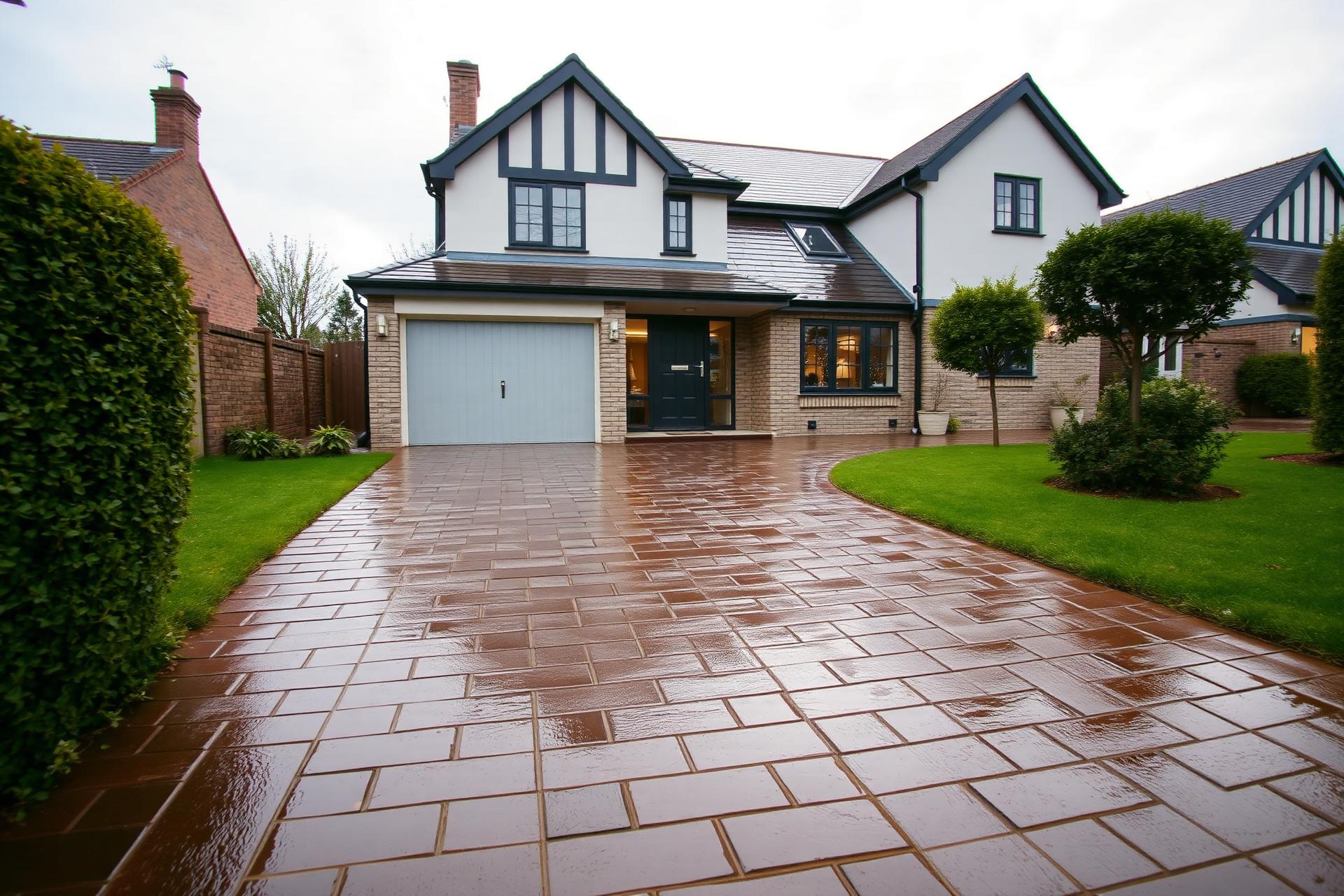
New-build cul-de-sac drive with kiln-dried sand joints still bedding in near the bypass
The cul-de-sacs built out toward the Baildon bypass over the last couple of decades typically have block-paved driveways laid with kiln-dried sand joints rather than mortar. Left untreated, that sand slowly washes and blows out over the years, especially where drives face the more exposed, windier edge of the estate closer to open fields.
Why sealing suits paving that's only a few years old
The cul-de-sacs built out toward the Baildon bypass over the last couple of decades typically have block-paved driveways laid with kiln-dried sand joints rather than mortar. Left untreated, that sand slowly washes and blows out over the years, especially where drives face the more exposed, windier edge of the estate closer to open fields.
Sealing these driveways isn't about fixing a problem that's already visible so much as protecting paving that's still in decent condition from the gradual joint erosion and colour fade that comes with a few more Yorkshire winters. Newer blocks also tend to be a consistent, even colour when laid, and UV plus general weathering starts to dull that evenness noticeably within the first several years.
Because these estates were built with adequate off-road parking, driveways here see regular daily traffic rather than occasional use, so joint stability under a car's turning weight matters more than on a rarely used period driveway.
Timing and aftercare that affect the result
Before we start
- Sealed joints resist sand loss but won't stop it completely under constant heavy use.
- A dry, mild forecast window is needed for both application and full cure.
- Freshly sealed paving can look slightly darker or glossier initially before settling.
Once it's done
- Cars need to stay off the drive for the specified cure period, which may mean a day or more of alternative parking.
- Re-sealing every few years maintains the effect rather than expecting one application to last indefinitely.
How the sealing visit is carried out
- Step 1
Clean and joint sand top-up
The drive is cleaned first and any low joints topped up with fresh kiln-dried sand, giving the sealant something solid to lock in place.
- Step 2
Even sealant application
Sealant is applied in controlled sections across the full drive so coverage is consistent, avoiding patchy sheen that would show up on a large uniform surface.
- Step 3
Cure time management
The drive is kept free of vehicles and foot traffic for the sealant's full cure period rather than opened up early, which is what actually locks the sand in.
Getting kit in, getting water away
Most driveways on these estates are double-width with room to work half at a time while a car sits on the other half, and on-street parking on the wider estate roads is generally available if the whole drive needs clearing.
Sealing is timed and applied to avoid product entering road gullies at the kerb, which is where run-off from these driveways typically ends up; we work in dry conditions specifically so uncured sealant isn't washed toward that drainage point.
- Common property stock
- stone-built terrace, moor-edge detached, 1930s semi
- Nearest commercial hub
- Baildon Browgate and Otley Road parade
- Area type
- market town
- Postcode district
- BD17
- Local authority
- City of Bradford MDC
- County
- West Yorkshire
Checking the paving is ready to be sealed
Jointing sand level survey
We check how much original sand remains in the joints, since sealing over depleted joints without topping up first traps the problem rather than solving it.
Surface moisture reading
Paving needs to be genuinely dry through the joints, not just the surface, before sealant is applied, so we check this rather than assume from visible dryness alone.
Existing sealant or coating check
Some newer driveways were sealed by the developer or a previous owner; we identify this so the right product is chosen to bond properly rather than sit on top.
Scope agreed before anything is switched on
- We survey the surface first and say plainly if block paving sealing is the wrong call for it.
- Scope is written down, so you can see exactly what is and isn't included.
- Where a stain or defect won't fully clear, we say so before you book.
Related sealing options and nearby areas are linked below.
Questions from newer estate residents
My paving looks fine — is sealing worth it already?+
Sealing newer paving while it's still in good condition protects the jointing sand and colour before wear sets in, rather than waiting until problems are visible.
Will sealing stop weeds coming through the joints?+
It significantly reduces weed establishment by binding the sand, though it doesn't guarantee zero growth over time.
How long do I need to keep cars off the drive?+
It depends on the product and weather, but we'll confirm the specific cure period on the day and plan around your parking needs.
Can you seal just half the drive while I park on the other half?+
Generally yes for a double-width drive, though we'll advise if your particular layout makes that impractical.
The short version
Sealing newer estate block paving in Baildon protects jointing sand and colour while the drive is still in good condition.