
Block Paving Sealing for New Estate Driveways in Horsforth
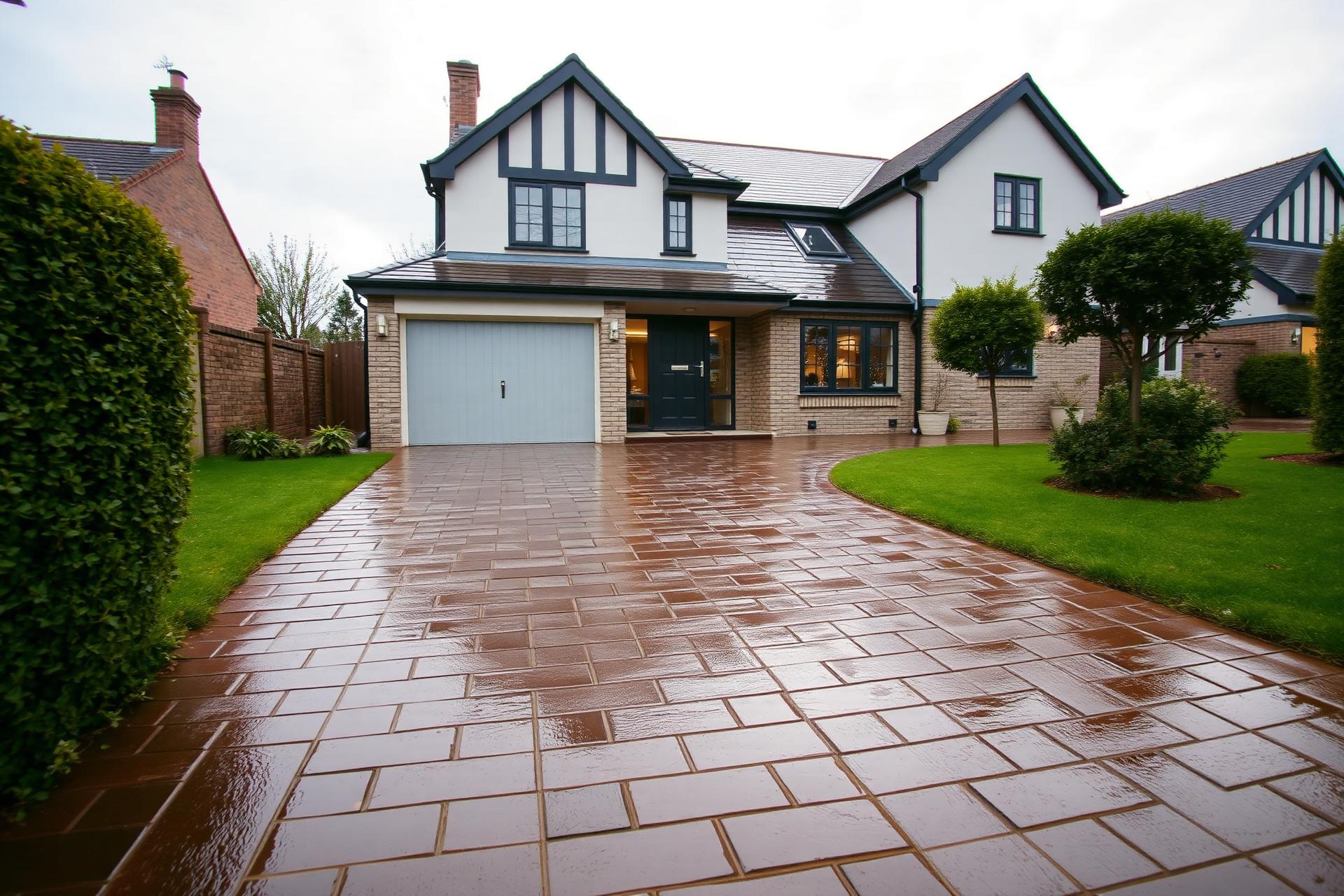
New two-car drive on a modern estate close to the ring road
Newer estates around Horsforth's ring road were largely built with block-paved driveways as standard, laid within the last decade or two and generally in good structural shape. Daily use by two cars and the odd trailer or caravan means jointing sand starts working loose well before the blocks themselves show wear.
Why new block paving on the estates needs sealing early
Newer estates around Horsforth's ring road were largely built with block-paved driveways as standard, laid within the last decade or two and generally in good structural shape. Daily use by two cars and the odd trailer or caravan means jointing sand starts working loose well before the blocks themselves show wear.
Owners here are often surprised how quickly a relatively new drive starts looking tired, but it's the combination of tyre scrub at turning points and weed seed finding its way into open joints that drives the early ageing, not any fault in the paving itself.
Because these drives sit in full sun for much of the day, unlike some of the shaded stone forecourts nearer the town centre, UV fading of the block colour is also a factor sealing needs to address here.
Things worth knowing before sealing
Before we start
- Sealer needs a dry forecast for the application day and the following cure period
- Both cars need alternative parking arranged for the duration, not just half the drive
- Sun-exposed estate drives benefit more from UV-rated sealer than shaded stone forecourts do
Once it's done
- Re-sanding before sealing adds time to the visit but prevents an early re-seal
- Sealed joints reduce future weed growth but aren't a permanent weed barrier on their own
Sealing a two-car block-paved drive
- Step 1
Full clean and re-sand
The drive is cleaned and jointing sand topped up and compacted before any sealer goes down, since sealing locks whatever condition the joints are in at that point.
- Step 2
Sealer application in sections
Sealer is applied in manageable sections working away from the garage or house toward the street, so nobody has to walk back across a freshly sealed area.
- Step 3
Cure time management
The drive is marked or cordoned off for the recommended cure period, since driving on it too soon can leave visible tyre marks in the setting sealer.
Getting kit in, getting water away
Two-car estate drives generally give enough room to work in sections while one car remains parked elsewhere on the street temporarily, though full clearance is needed once sealing begins to avoid tyre marks in wet product. Neighbouring driveways are typically close enough that we keep hoses and equipment tidy to avoid blocking a shared pavement dropped kerb.
These drives typically drain via a soakaway system beneath the paving rather than a surface gully, so sealing needs to be a breathable or permeable-rated product where the drive falls under sustainable drainage requirements, which we check against the property's original build spec where known.
- Common property stock
- stone-built villa, modern estate home, converted cottage
- Nearest commercial hub
- Horsforth Town Street and Kirkstall Bridge retail
- Area type
- suburb
- Postcode district
- LS18
- Local authority
- Leeds City Council
- County
- West Yorkshire
What we check before sealing
Jointing sand condition
We check how much sand remains in the joints across the drive, since sealing over depleted joints locks in a problem rather than solving it, so re-sanding often comes first.
Weed and moss presence in joints
Any weed growth between blocks is treated and cleared before sealing, since sealing over it only traps the problem beneath a fresh surface.
UV fade assessment
We compare colour under a parked car's usual position against the sun-exposed area, which shows how much fade sealing needs to help restore or protect against further.
Scope agreed before anything is switched on
- We survey the surface first and say plainly if block paving sealing is the wrong call for it.
- Scope is written down, so you can see exactly what is and isn't included.
- Where a stain or defect won't fully clear, we say so before you book.
Once sealed, our hot water cleaning page covers ongoing maintenance for the same driveway type.
Estate residents ask about sealing
My driveway is only a few years old — does it really need sealing already?+
Sealing isn't about age so much as jointing sand loss and UV fade, both of which show up faster on daily-use estate drives than people expect.
How long do I need to keep cars off the drive?+
It depends on the product and weather, but we'll give a clear timeframe and mark the drive so it's obvious when it's safe to use again.
Will sealing stop weeds growing between the blocks?+
It significantly reduces new growth by closing off open joints, though it's not an absolute guarantee against every weed seed finding a gap.
Can sealing fix the faded colour on my block paving?+
A colour-enhancing sealer can noticeably freshen faded blocks, though very old or heavily worn paving may show more improvement than a full colour restoration.
Summary
Newer estate driveways near the ring road benefit from sealing to lock in jointing sand and protect colour from sun exposure.