
Imprinted Concrete Sealing for Alwoodley Cul-de-Sac Drives, Leeds
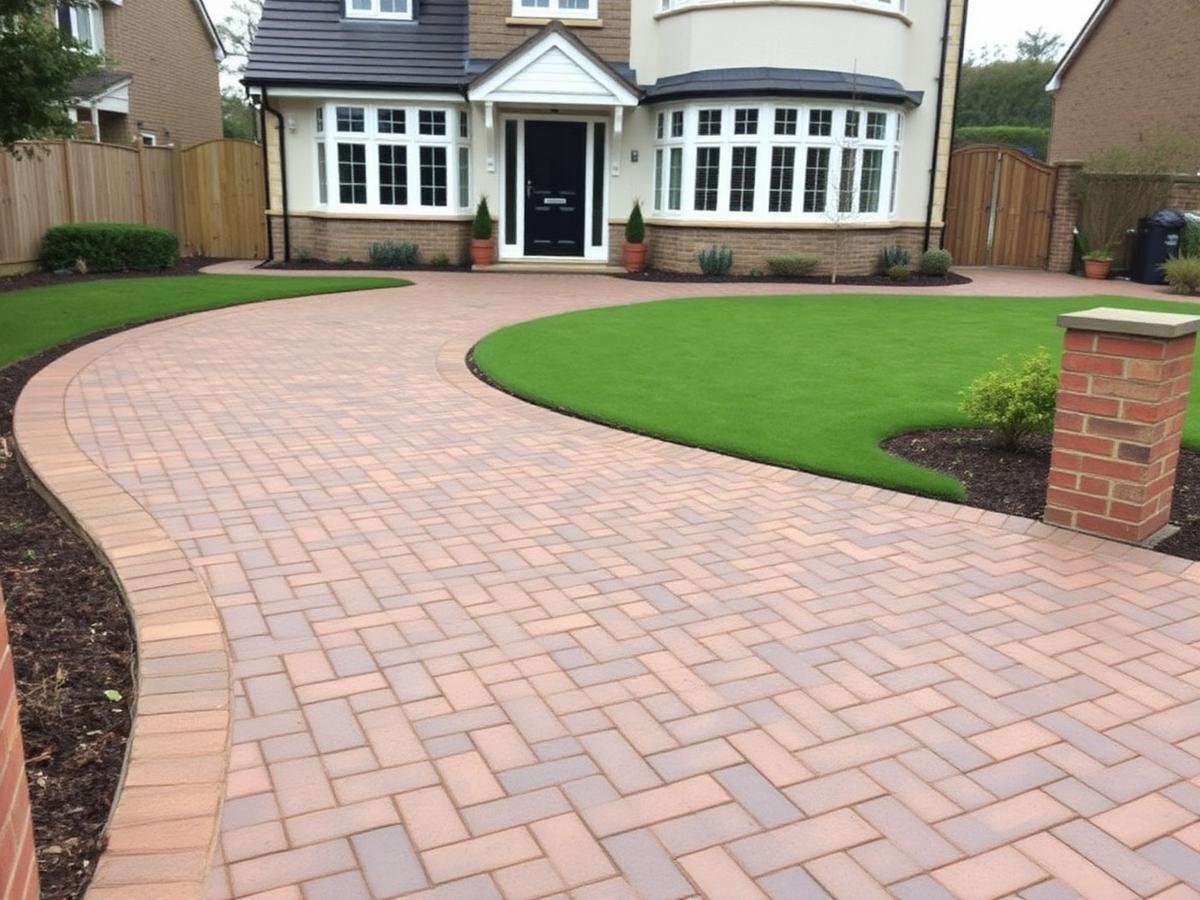
Pattern-imprinted drive on a Alwoodley cul-de-sac
Alwoodley's cul-de-sac developments frequently feature imprinted concrete driveways laid in a cobble or slate pattern with an integral colour finish, popular when these closes were built for the low-maintenance look they offered at the time. Years on, UV exposure and traffic wear have faded the colour unevenly, usually heaviest along the main tyre track running to the garage.
Imprinted concrete drives on Alwoodley's newer closes
Alwoodley's cul-de-sac developments frequently feature imprinted concrete driveways laid in a cobble or slate pattern with an integral colour finish, popular when these closes were built for the low-maintenance look they offered at the time. Years on, UV exposure and traffic wear have faded the colour unevenly, usually heaviest along the main tyre track running to the garage.
Because the pattern relies on a thin surface layer of colour and sealant sitting above the structural concrete, wear here shows differently to natural stone — rather than staining into pores, the colour simply wears thinner where feet and tyres pass most, leaving pale patches that reveal the grey concrete beneath.
These driveways are also usually south or west facing on Alwoodley's more open plots, meaning direct sun exposure accelerates fading compared with a shaded terrace equivalent elsewhere in Leeds.
Checking colour and pattern wear before resealing
Colour wear mapping
We map where the integral colour has worn thinnest, typically along tyre tracks, to judge how much colour restoration is needed before sealing.
Pattern groove condition
The imprinted grooves between pattern sections are checked for trapped dirt or moss, since sealing over them would lock the mess in permanently.
Existing sealant breakdown
We assess whether old sealant has gone chalky or is peeling, since this affects whether it needs full stripping before a new coat goes on.
Getting kit in, getting water away
Access is generally straightforward, a private drive reached directly from the close with room to work around a parked car if needed. The main consideration is that resealing needs a fully dry, vehicle-free surface for a set curing window, so we agree alternative parking with the household in advance.
Imprinted concrete is a solid, non-permeable surface, so most Alwoodley drives of this type rely on a fall toward the road or an installed drainage channel rather than water passing through the surface itself. Sealant application timing accounts for this fall so product doesn't pool unevenly at the lowest point before curing.
- Postcode district
- LS1
- Local authority
- Leeds City Council
- County
- West Yorkshire
- Main route in
- M621 / A61
- Nearest city
- Bradford — 9 miles
- Typical surfaces
- block paving and imprinted concrete drives
What fading tells us about resealing timing
Before we start
- Tyre-track fading usually needs colour restoration, not just sealant, to look even
- Pattern grooves collect dirt that must be cleared before sealing
- South and west-facing drives fade faster under direct sun
Once it's done
- Vehicles need alternative parking during the sealant cure window
- Old, chalky sealant may need removing before a new coat will bond
Restoring an imprinted surface without losing definition
- Step 1
Groove and joint cleaning
Pattern grooves are cleaned individually before any colour or sealant work, since dirt here undermines an even final finish.
- Step 2
Colour restoration where needed
Faded sections along tyre tracks receive colour-matched restorer before the sealant coat, rather than sealing over uneven fading.
- Step 3
Even sealant coat and cure
Sealant is applied in a consistent coat across the full pattern, with agreed vehicle-free time for it to cure properly.
Scope agreed before anything is switched on
- We survey the surface first and say plainly if imprinted concrete sealing is the wrong call for it.
- Scope is written down, so you can see exactly what is and isn't included.
- Where a stain or defect won't fully clear, we say so before you book.
Questions about colour loss and resealing
Why has my drive faded more along the tyre tracks?+
That's where the thin colour layer wears fastest under repeated tyre contact, exposing the grey concrete beneath over time.
Will sealing alone fix the faded patches?+
Sealant protects the surface but won't restore lost colour on its own — faded areas usually need colour restoration first.
How long do we need to keep cars off the drive?+
It depends on the product and weather conditions, and we'll agree a specific window with you before starting.
What happens to dirt trapped in the pattern grooves?+
We clean grooves thoroughly before sealing, since sealing over trapped dirt would lock it in rather than remove it.
See our new build rotary cleaning page for the maintenance step that often precedes resealing.
If your Alwoodley imprinted concrete drive has faded along the tyre tracks, get in touch and we'll assess colour restoration before resealing.
The short version
Resealing an Alwoodley imprinted concrete drive usually means restoring worn tyre-track colour before applying an even protective coat.