Oil is the one area where we set expectations carefully. A fresh drip degreases out well. A twenty-year drip under where the car has always parked has migrated deep into the unit, and no amount of pressure will fully reverse that.
How the stain behaves by surface
- Block paving: porous concrete units absorb oil. Fresh spills come out well; old, layered staining lightens substantially but can leave a shadow.
- Concrete: similar, and often worse because there are no joints to break up the visual pattern.
- Tarmac: fuel and oil soften the bitumen binder. Cleaning removes surface residue, but softened or pitted areas are damage, not dirt.
- Imprinted concrete: if the sealer is intact the oil often sits on top and releases easily; if the sealer has failed it soaks in.
The approach that works
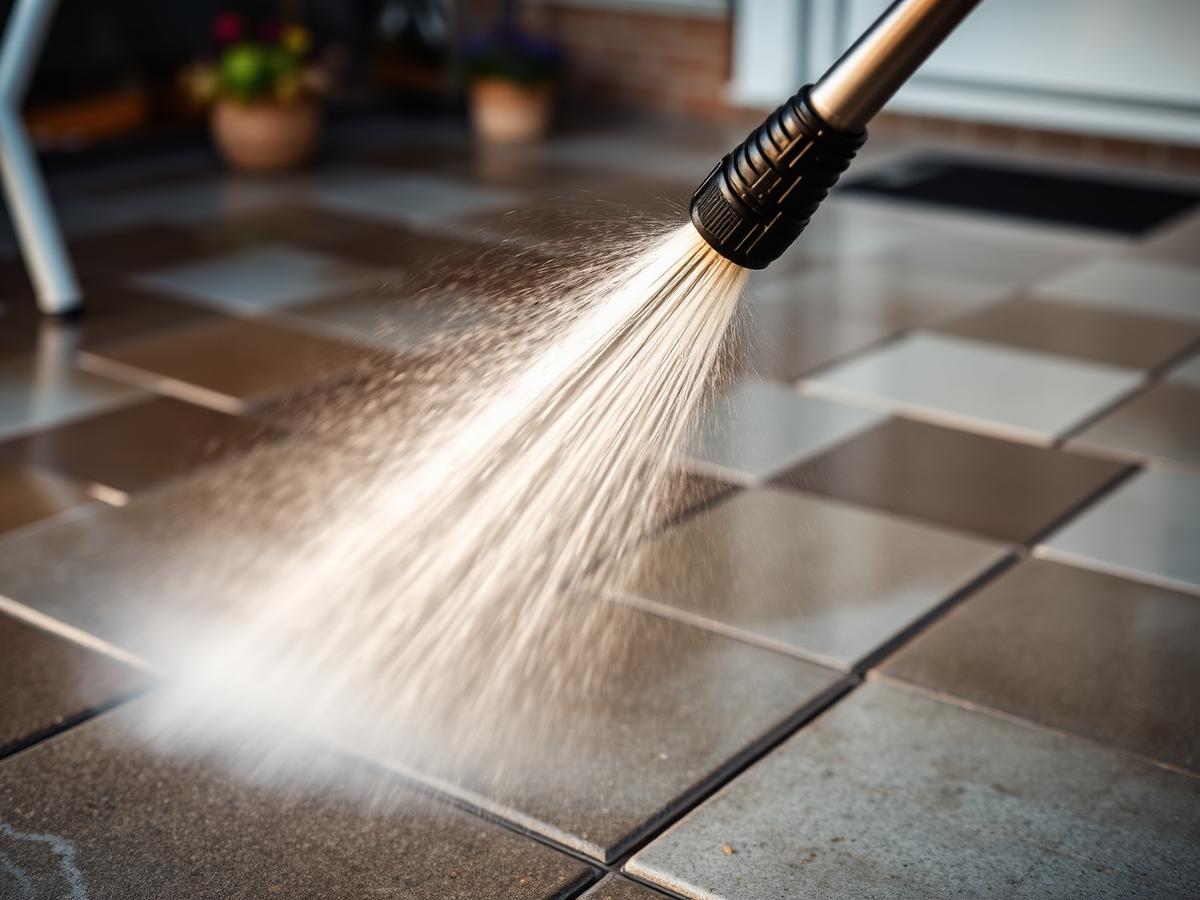
- Degreaser applied and left to work, rather than a straight high-pressure attack.
- Agitation on the stain area to break the bond before rinsing.
- Repeat passes on heavy contamination — patience beats pressure.
- Rotary cleaning of the whole surface afterwards, so the treated patch isn't a clean square in a dirty drive.
Preventing the next one
A drip tray under a known leak is unglamorous and effective. On sealed surfaces, wiping a fresh spill within a day usually prevents any lasting mark. And if a vehicle is genuinely leaking, cleaning the drive is treating the symptom.
Our promise
100% satisfaction — or we re-clean free.